

If you’ve ever struggled to serve every dish hot at a dinner party, you know the value of reliable kitchen support. A built-in warming drawer for kitchen can feel like having an extra set of hands—keeping plates, rolls, and sides ready to serve, without drying them out or hogging oven space. But is a warming drawer worth it in 2026? Here’s what smart hosts should know before buying.
As an Amazon Associate, I earn from qualifying purchases.
⚡ Quick Answer
A warming drawer kitchen setup keeps food and plates at precise serving temperatures—ideal for frequent entertainers and large meals. Expect to pay $1,600 to $2,400 for quality built-in warming drawers in 2026, with features like proofing, slow cook, and customizable installation. Entry-level install costs start around $368 to $520 for simpler units.
Key Takeaways
- Warming drawers keep food and plates at serving temperature, freeing up oven space and elevating entertaining.
- Built-in units cost around $1,600–$2,400, plus $368–$520 for basic installation materials/labor.
- Most models lack smart-home features, dual-zone temps, and strong insulation; buy models with reliable temperature control and proofing modes.
- Check real reviews for common issues: uneven heat, slow warm-up, noisy fans, and capacity limits.
- Why a warming drawer might be the best upgrade for your kitchen
- 2026 price breakdown — what to expect to pay and why
- Is a warming drawer worth it in 2026? ROI and use-cases
- Common performance issues buyers report with under‑oven warming drawers
- What top models still miss — features buyers want for entertaining (but rarely get)
- Warming drawer vs microwave: which keeps food better for serving?
- How to choose the best built‑in warming drawer for your kitchen — checklist
- Practical uses and set‑ups — under‑oven drawer uses and how to use them well
- Installation, space and budget tradeoffs — panel‑ready, under‑oven, or standalone
- Final recommendations — models/features to prioritize and red flags to avoid
- Quick shopping cheat‑sheet
- FAQ
Why a warming drawer might be the best upgrade for your kitchen
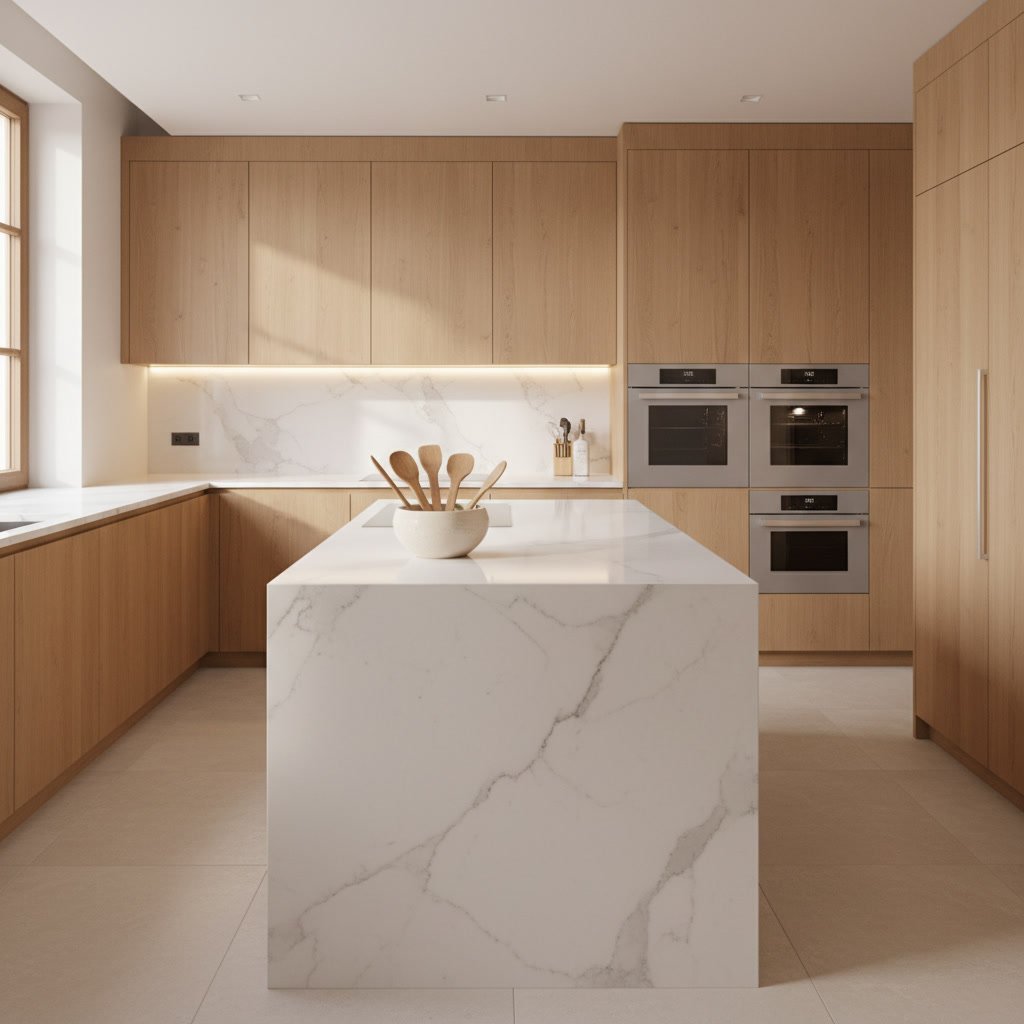
The best way to describe a warming drawer kitchen is this: a purpose-built, built-in appliance that keeps food and plates ready to serve, often with temperature precision you can’t get from your oven’s “keep warm” setting or a microwave. If you’re hosting dinner parties, juggling holiday side dishes, or baking bread that benefits from a gentle proof, a warming drawer fits seamlessly under ovens or into custom cabinets.
Research finds that warming drawers keep food at the ideal serving temperature (typically 140-190°F) and can include slow cook and proof modes—a perk for home bakers and frequent entertainers.
They’re not for everyone, though. If you rarely entertain or need to keep a tight appliance budget, your oven’s warming mode or a combi-speed oven may fill the gap. But for reliable staging of multiple dishes—keeping plates, breads, and appetizers all hot at once—there’s simply no substitute.
2026 price breakdown — what to expect to pay and why
Here’s the most realistic look at pricing: as of 2026, the typical built-in warming drawer for kitchen will set you back between $1,600 and $2,350, with high-end units creeping just above $2,400 depending on brand (Wolf, Bosch, Thermador, and others).
Entry-level units still land in the $1,600–$1,800 range (think 24-inch to 27-inch mid-market brands), while “Sous Chef” deep drawers for large cookware fetch a premium.
But remember: sticker price isn’t the whole story. Lower-cost material and basic install labor can be found for as little as $368–$520 per unit (Homewyse estimates), assuming your cabinetry is prepped and no rewiring is needed. If you’re doing a total kitchen reno, labor could run higher.
Example: Home Depot lists a 30-inch slow cook warming drawer at $1,844 in stainless finish. Premium panel-ready options or models with extra baking/proof features will be more expensive.
Is a warming drawer worth it in 2026? ROI and use-cases
The big question: warming drawer worth it 2026? For frequent hosts and home cooks who do multi-course meals, a warming drawer kitchen quickly pays for itself in convenience. You can preheat plates for 8-12 guests, hold roasted veggies (or a brisket) at a perfect serving temp, or proof dough without crowding the stove.
ROI isn’t measured just in dollars. Research highlights that “warming drawers are useful for home chefs and entertainers and positioned as a smart investment in luxury kitchens.”
In short: if you do regular gatherings, coordinate large family dinners, or just love having everything come to the table hot, it’s one of the best built-in upgrades. But, if your “entertaining” tops out at pizza for two and you’re pinching pennies, it might not make sense this year.
Common performance issues buyers report with under‑oven warming drawers
If you’re considering an under oven warming drawer, it’s smart to read real user reviews (and try the models in-store). The biggest pain points I see (and have experienced myself):
- Uneven or inconsistent heat, sometimes with “cold spots” at the edges
- Slow warm-up times—some drawers take 25+ minutes to reach temp
- Rapid temperature loss when the drawer is opened (especially without lids or trays)
- Noisy convection fans at higher heat
- Limited capacity; some only fit small plates, not casserole or roasting pans
- Warning: Some units are “storage only” (no heating element) and get misused as warming drawers (see CNET discussion).
Pro tip: check the manual or the showroom demo for “true” warming function — versus being just a storage drawer under your range.
If your main concern is “warming drawer vs microwave keeping food warm,” remember: most microwaves reheat quickly but can sap moisture from bread or casseroles. Warming drawers (when they work well) hold food at gentle, even temperatures, which preserves texture and taste.
What top models still miss — features buyers want for entertaining (but rarely get)
It’s a bit frustrating: even the best built-in warming drawer for kitchen setups in 2026 often skip modern features that would make entertaining easier.
- No Wi-Fi or app-based controls for pre-heating remotely (still rare, though some luxury models are starting to catch up)
- Lack of dual-zone or programmable multi-temperature settings—so you can’t keep plates and beef at different temps
- No dedicated proofing modes or dehydrating cycles (useful for bread bakers and meal prep)
- Poor (or zero) interior LED lighting, which makes it tough to see what’s inside when you’re juggling courses
- Little to no integration with smart-home speakers (Alexa/Google), meaning you can’t check status by voice
Research confirms: “Top-rated warming drawers often lack integrated Wi-Fi/app controls, multi-temp settings, proofing/dehydrating cycles, interior lighting, and smart-home integration.”
If you’re buying for regular entertaining, these missing features actually matter—and it’s worth prioritizing models that at least offer programmable temps and a proof mode.
Warming drawer vs microwave: which keeps food better for serving?
Let’s settle it: when does a warming drawer outperform a microwave, and when does it not? Here’s a real-world rundown.
| Feature | Warming Drawer | Microwave |
|---|---|---|
| Temperature Control | Gentle, steady 120–190°F (serving temp) | Rapid/sudden reheating, not for holding |
| Food Texture | Preserves moisture; best for bread, main dishes | Can dry out or overcook food |
| Capacity | Large platters, built-in for plates & pans | Limited bowl/plate at a time |
| Convenience for Entertaining | Can stage multiple dishes, warm plates elegantly | Best for last-minute or small batches |
| Speed | Slower to heat but ideal for “hold at temp” | Faster for reheating, not for serving temp |
Verdict: If your goal is built-in warming drawer for plates and multi-course presentation, the warming drawer wins for both capacity and maintaining food quality. But recognize the trade-off — faster does not mean better for flavor or texture.
How to choose the best built‑in warming drawer for your kitchen — checklist
When shopping for the best built-in warming drawer for kitchen use, don’t get distracted by finish or brand name alone. Here’s my go-to checklist for getting your money’s worth:
- Capacity & Depth: Will it fit your platters or just plates? “Sous Chef” drawers take large roasting pans.
- True Warming vs Storage: Confirm there’s a heating element—some drawers under ranges are just storage.
- Evenness of Heat: Ask to demo at different shelf positions, or read user reviews.
- Programmable Temps (Low-Med-High): Look for clear controls, ideally 3+ settings.
- Proof/Dehydrate Modes: Great for bakers and advanced meal prep.
- Noise Level: Some models have loud fans in “high” or “proof” mode.
- Panel-Ready vs Stainless: Decide if you want an integrated look or classic appliance finish.
- Power & Installation Needs: Some need dedicated circuits—check before buying.
Buyer tip from real research: “Models vary, and buyers should confirm it’s a true warming drawer (not just storage), and review reported issues like uneven heat and noisy fans.” Again, check in-store performance whenever possible.
If you’re updating other key appliances, many users also upgrade their cookware for induction hobs or opt for a combi speed oven to streamline their hosting workflow.
Practical uses and set‑ups — under‑oven drawer uses and how to use them well
Here’s how I put my warming drawer to work:
- Plate warming: Essential for dinner parties—no more cold salmon on a hot plate.
- Holding sides (and main courses!) while finishing the roast in the oven—makes meal timing stress-free.
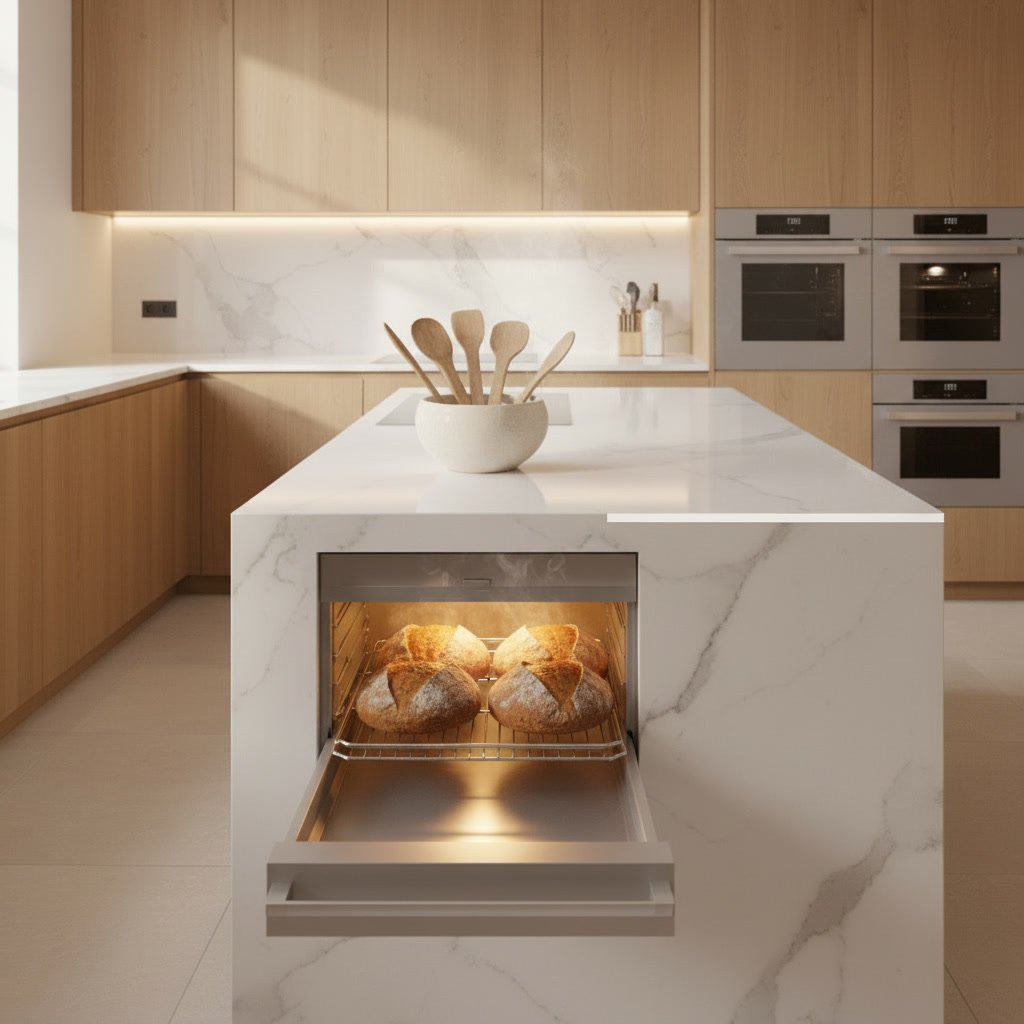
- Slow cook & proofing: Proof dough, rest meat, or slow-cook pulled pork overnight in a covered casserole.
- Buffet/serving line: Fill with plates or shallow pans, and guests help themselves to warm food—no microwave runs needed.
For best results: always preheat the drawer, cover dishes with lids or foil, and avoid opening the drawer more than necessary—every opening dumps precious heat. The deeper “Sous Chef” style accommodates roasts and casseroles. As this summary points out, warming drawers are often overlooked, but can quietly become “the hidden hero” of busy kitchens.
Paired with an under counter ice maker or a built-in coffee station, it fundamentally streamlines any hosting setup.
Installation, space and budget tradeoffs — panel‑ready, under‑oven, or standalone
The way you integrate a warming drawer kitchen depends on your space and style. Most common: under-oven installation, but you’ll also find panel-ready drawers that match kitchen cabinets or standalone units when retrofitting.
- Under-oven warming drawer: Saves space, matches your main oven, but may run smaller footprint.
- Panel-ready: Disappears into your cabinetry for a clean, custom look (just like a panel-ready fridge).
- Wall or buffet counter install: For butler pantries or buffet lines—great for entertaining.
Cost alert: Homewyse estimates install/materials from $368 to $520 per unit for basic preparations (if you’re adding it to existing cabinets).
If you’re already renovating, roll warming drawer install into your cooktop or wall-oven schedule to save on labor.
Final recommendations — models/features to prioritize and red flags to avoid
If you’re ready to buy, here’s your short-list to avoid buyer’s regret:
- Choose true warming drawers (not just “storage” drawers under your oven!)
- Prioritize models with reliable, even temperature control and programmable settings
- Go for proof/dehydrate cycles if you bake, and get enough capacity for your largest serving dishes
- If noise or smart features matter, look for drawers with quiet fans and app-ready or voice-compatible controls (rare, but coming by late 2026)
Red flags in reviews: drawers that heat unevenly, take forever to warm up, noisy fans, and—this bears repeating—non-heating models “pretending” to be warming drawers.
Research validates: “Buyers should prioritize models that address common complaints (uneven heat, slow warm-up, temp loss on opening), since many units on the market still suffer these issues.”
And if you’re building out a dedicated hosting setup, consider complementing your warming drawer with a smart kitchen ecosystem so your appliances (fridge, oven, ice maker) integrate and communicate.
Quick shopping cheat‑sheet
Expect to spend between $1,600 and $2,350 for built-in warming drawers, or $368–$520 for basic retrofit install. Must-have features: true warming element (not storage-only), reliable even heat, and multiple temp settings. Do not buy: models with known issues of uneven heat or noisy fans. Always verify it’s a genuine warming drawer before purchase.
FAQ
Is a warming drawer kitchen still worth it in 2026?
Yes, if you entertain often or want stress-free meal timing, a warming drawer kitchen remains one of the smartest upgrades. It helps keep plates and dishes hot so every course shines. However, if you rarely host, it may not justify the cost.
What’s the best built-in warming drawer for plates and large platters?
The best built-in warming drawer for plates typically offers a minimum 24-inch width and a deep “Sous Chef” style interior. Look for adjustable racks, humidification, and proofing modes—Bosch, Thermador, and Wolf are popular luxury options.
How does a warming drawer compare with a microwave for keeping food warm?
Warming drawers keep food and plates at steady serving temps (120-190°F) and preserve food texture and moisture. Microwaves reheat food quickly but often dry out or overcook items, and can’t hold multiple serving platters at once.
What are common installation mistakes with warming drawers?
Biggest mistakes: installing a storage-only drawer thinking it’s a warming drawer, not checking power needs (some require a dedicated circuit), and underestimating needed cabinet depth. Always read specs and plan for ventilation/clearances.
Are there smart features in 2026 warming drawers (Wi-Fi, app controls)?
Most 2026 models still lack robust smart features. Some luxury brands are adding basic app preheat or integration with home systems, but dual-zone controls and full smart-home voice support remain uncommon. Double-check features before buying if these matter to you.