

Steam oven for healthy cooking is gaining attention for its potential to preserve nutrients and improve meal quality at home. If you want to understand the science, the practical steps, and the real tradeoffs before investing in a Miele steam combination oven 2026 home kitchen setup, read on.
Key Takeaways
- Steam ovens preserve more vitamins and fatty acids during cooking, especially for vegetables and fish, compared to boiling or traditional ovens.
- Countertop and built-in steam/combi steam ovens for home kitchens offer moisture-rich, even cooking—great for breads and pastries as well as fish and veggies.
- Limits exist: for crispy textures (like roast potatoes), or certain baked goods, steam ovens may fall short without combination (convection+steam) features.
- What Is a Steam Oven for Healthy Cooking & Why Use One?
- How to Use a Steam Oven for Healthier Meals: Step-by-Step Guide
- Advanced Analysis & Common Pitfalls
- Conclusion
- FAQ: Steam Ovens & Healthy Cooking
What Is a Steam Oven for Healthy Cooking & Why Use One?
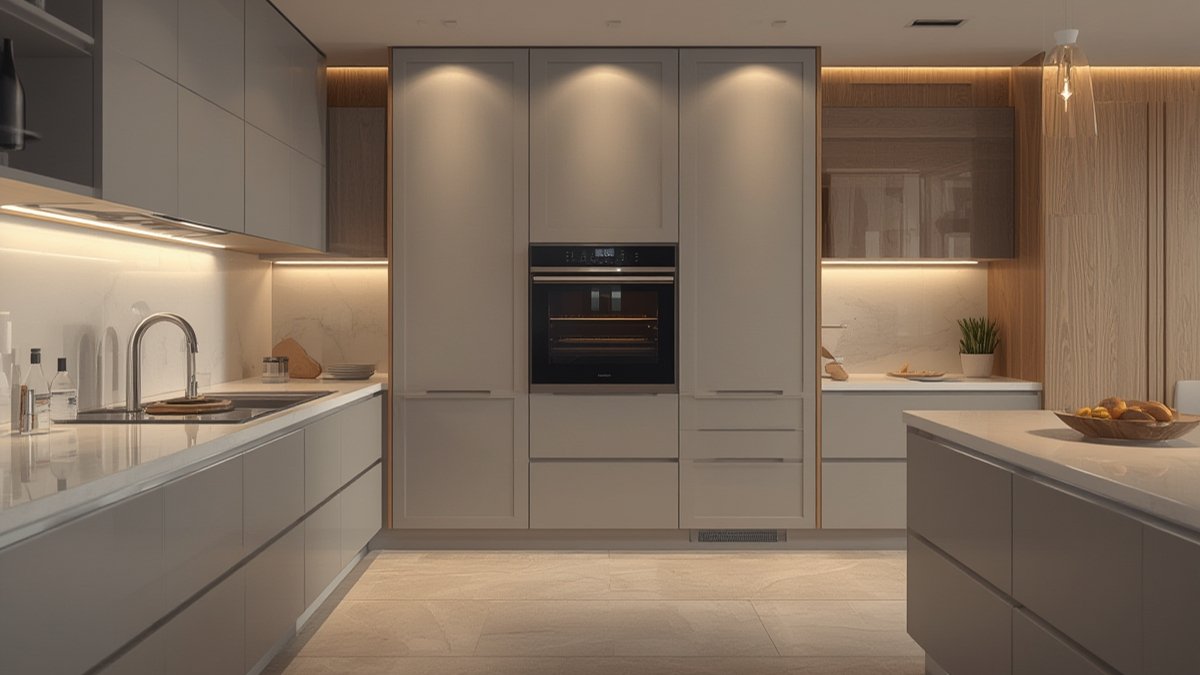
Using a steam oven for healthy cooking means you’re harnessing the power of water vapor—not dry heat—to gently cook your food. Unlike regular ovens that often dry out meals, steam ovens infuse dishes (especially vegetables and fish) with moisture, helping them retain more of their natural nutrients. The combi steam oven home kitchen models, like the Miele steam combination oven 2026 or the Anova Precision Oven steam, combine both steam and traditional heat for wider versatility in home kitchens.
Why choose a steam oven? Here’s what science tells us:
- Nutrient retention: Steam-cooking keeps vitamins and minerals—especially vitamin C in peppers and broccoli—at much higher concentrations than boiling or regular baking. For instance, steam-cooked peppers retain up to 25% more vitamin C than boiled (source).
- Better for delicate proteins: Steam ovens, particularly with superheated steam, can cook fish and seafood at high temperature (320°C) in an oxygen-free environment, preserving healthy fats and amino acids (source).
- Even baking and moisture: For bakers, convection steam combination ovens keep breads airy and crusts perfectly golden without over-drying. While specific nutritional gains for baked goods are less documented, moisture retention is evident (source).
If you’re searching for a built-in steam oven countertop alternative, know that modern countertop units like the Anova Precision Oven steam bring similar benefits to home cooks with less installation hassle and lower cost.
How to Use a Steam Oven for Healthier Meals: Step-by-Step Guide
Ready to transform your home cooking? Here’s a practical, evidence-based guide to get the most benefits of steam oven vs regular oven—whether you’re steaming broccoli, baking sourdough, or poaching salmon.
-
Choose the right steam oven for your space.
- For built-in luxury and larger capacity: Go for a full-sized unit like the Miele steam combination oven 2026.
- For renters or small kitchens: The Anova Precision Oven steam offers a countertop alternative with pro steaming features.
-
Prep your food for optimal results.
- Cut vegetables evenly for uniform cooking in your steam oven for vegetables and fish.
- Fish fillets should be of similar thickness; for delicate fish, use steam at lower temps or in superheated mode for a light crust (study).
-
Select your cooking mode:
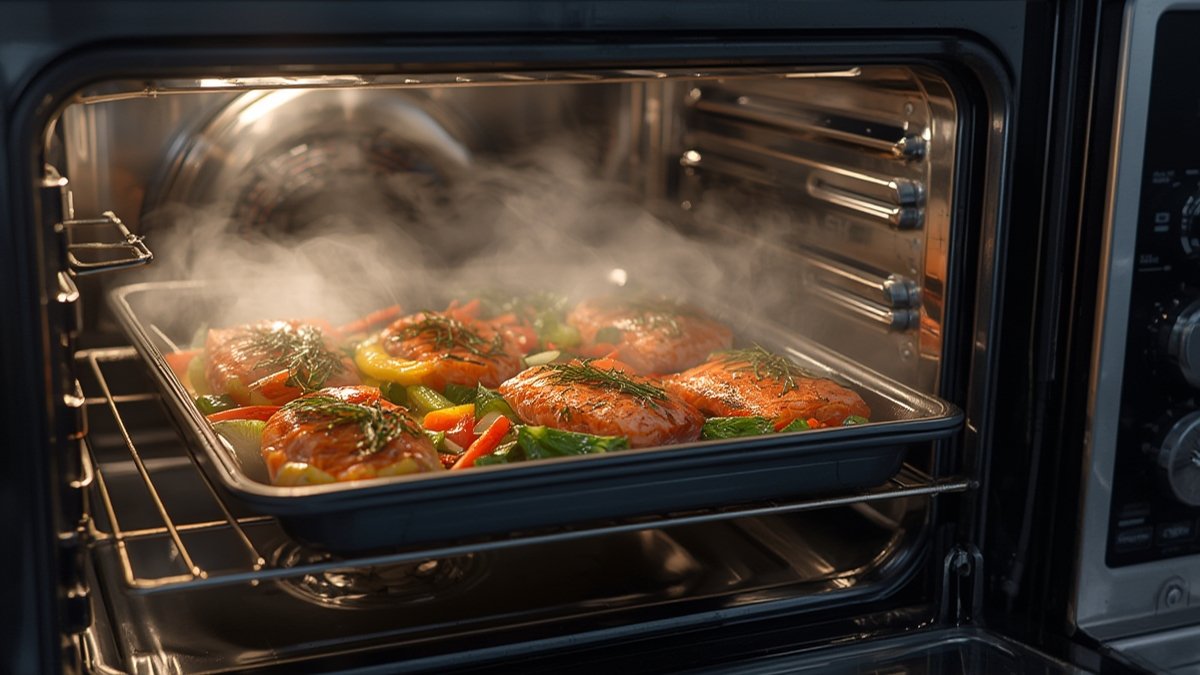
- For green vegetables and fish: Use 100% steam at 100°C for rapid, gentle cooking—expect perfect color and texture.
- For baked goods: Activate convection + steam mode to achieve a fluffy open crumb and a crisp crust in breads and pastries. This mimics a professional bakery’s results (reference).
-
Monitor your cooking times closely.
- Steam ovens often cook 15–30% faster than regular ovens. Start checking early to avoid mushy vegetables or dry fish.
- For combi steam oven home kitchen owners, use the app features (where available) to monitor doneness remotely.
-
clean and descale regularly.
- Mineral buildup affects performance. Use filtered water and follow the manufacturer’s cleaning advice for lasting results.
Ready to combine this with other modern appliances? See our guides on AI oven smart cameras and cookware for induction hobs to further streamline your healthy kitchen workflow.
Advanced Analysis & Common Pitfalls
While steam ovens are impressive for nutrient retention and food quality, they are not a magic bullet. Here’s a realistic look at measurable benefits, what’s missing from the research, and signs steam might not be the answer for every meal.
| Oven Type | Best For | Nutrient Retention | Texture Results | Downsides |
|---|---|---|---|---|
| Steam/Combi Steam Oven | Vegetables, fish, some baked goods | Excellent, preserves up to 50% more vitamin C in broccoli vs boiling (source) | Moist, tender, evenly cooked; excellent for breads if using combi mode | May not crisp/fry foods, can make pastries soggy without convection, requires frequent maintenance |
| Conventional Oven | Roasting, browning, most baked goods | Lower, some nutrient loss at high heat (vitamin C degradation) | Crispy, browned, drier texture possible for some foods | Can over-dry fish and veggies, uneven results without convection |
| Boiling/Stovetop | Quick vegetable prep, starchy foods | Poor, water leaches nutrients (source) | Can become watery, less flavor | Nutrient loss, bland texture |
Common pitfalls and limitations:
- No quantified energy advantage: While steam often cooks faster, clear data for energy savings versus regular ovens is lacking (source).
- Not all foods benefit: If your goal is a crispy crust or caramelization (e.g., roast chicken or pastries), steam alone falls short. Use combi- or convection-steam modes, or finish with dry heat.
- Installation and space: Built-in models require custom cabinetry and higher up-front costs. If you need a built-in steam oven countertop alternative, measure carefully—countertop models save space, but have limited capacity for large families.
- Learning curve: Expect some trial and error. Foods can get too moist if steamed too long. For precise fish textures with superheated steam, exact temperature and timing matter (e.g., 320°C for 13 minutes) (study).
Conclusion
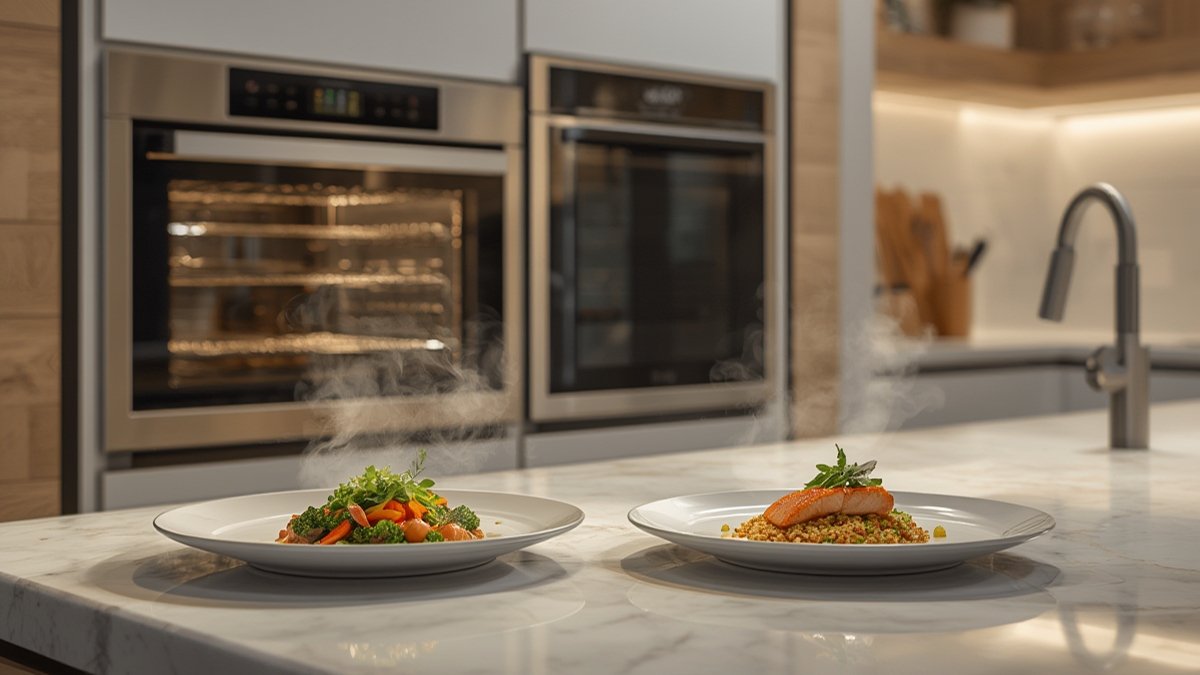
A steam oven for healthy cooking delivers real, science-backed benefits: more vitamins in every bite, perfectly moist fish, and bakery-level breads from your kitchen. The right model—whether Miele steam combination oven 2026, Anova Precision Oven steam, or a built-in steam oven countertop alternative—will expand what’s possible at home. Just keep in mind the limitations: steam is best for moisture and nutrient protection, not crisping or frying.
Ready to upgrade? Pair your steam oven with smart tools like an AI oven or dual basket air fryer for the ultimate modern kitchen setup. Don’t wait—get hands-on and see (and taste) the results in your next healthy meal.
FAQ: Steam Ovens & Healthy Cooking
Does a steam oven really keep more vitamins in my food?
Yes. Peer-reviewed studies confirm that steam oven cooking preserves more vitamin C and other nutrients in vegetables compared to boiling or baking in regular ovens. Steam-cooked broccoli, for example, can have up to 50% more vitamin C than boiled.
Is a combi steam oven home kitchen unit worth the higher price?
If you want versatility (steam, convection, bake, or combination), a combi steam oven gives you control and professional results at home. They cost more up front but can replace or augment several kitchen appliances.
What are the benefits of steam oven vs regular oven for baking?
Steam helps dough rise better and keeps baked goods moist, yielding softer crumb and shinier crusts. However, for crisp or deeply caramelized results, you’ll need to use combination or traditional settings.
How does the Anova Precision Oven steam compare to the Miele steam combination oven 2026?
The Anova Precision Oven steam is a countertop model—lower cost, portable, and smart-app enabled. The Miele steam combination oven 2026 is built-in, larger, with higher-end features ideal for serious cooks or big families. Both deliver excellent results for steam oven for vegetables and fish.
Are there real energy savings using a steam oven?
Steam ovens often cook faster, but current research shows no clear quantified energy savings compared to conventional ovens. Efficiency depends more on the recipe and how you use the steam functions.