

Introduction
Soft plastic compactor kitchen solutions are reshaping home recycling in 2026. As single-use bags and wrappers fill our bins, knowing how to handle soft plastics is critical for any eco-conscious household. Let’s break down what works, what doesn’t, and how realistic it is to recycle these plastics at home today.
Key Takeaways
- Most U.S. households still send 80% of soft plastic to landfill, mainly due to confusion and lack of easy in-kitchen solutions.
- There is currently no verified data on the performance of leading soft plastic compactor kitchen appliances or plastic bag recycling machine home units in real homes.
- Household engagement and practical steps matter more than expensive technology—DIY action and best practices can cut soft plastic waste in half.
- Introduction
- What Is a Soft Plastic Compactor Kitchen Solution?
- How to Recycle Soft Plastics at Home: Step-by-Step Guide
- Advanced Analysis: Real-World Pitfalls & Appliance Challenges
- Conclusion
- FAQ
What Is a Soft Plastic Compactor Kitchen Solution?
A soft plastic compactor kitchen setup is a system or appliance designed to compress, store, and help you recycle flexible plastics (like bags, wrappers, film) right where you use them most—your kitchen. The goal: keep soft plastic out of general trash and make it easier to transport to a recycling drop-off or, in the future, process it at home.
Soft plastics like bread bags, snack wrappers, and grocery bags make up a big chunk of household waste. According to the Recycling Partnership 2024 State of Recycling, over 80% of these plastics are trashed in homes instead of being recycled. Why? They jam curbside systems, most cities do not accept them, and people lack simple, effective solutions in their kitchens.
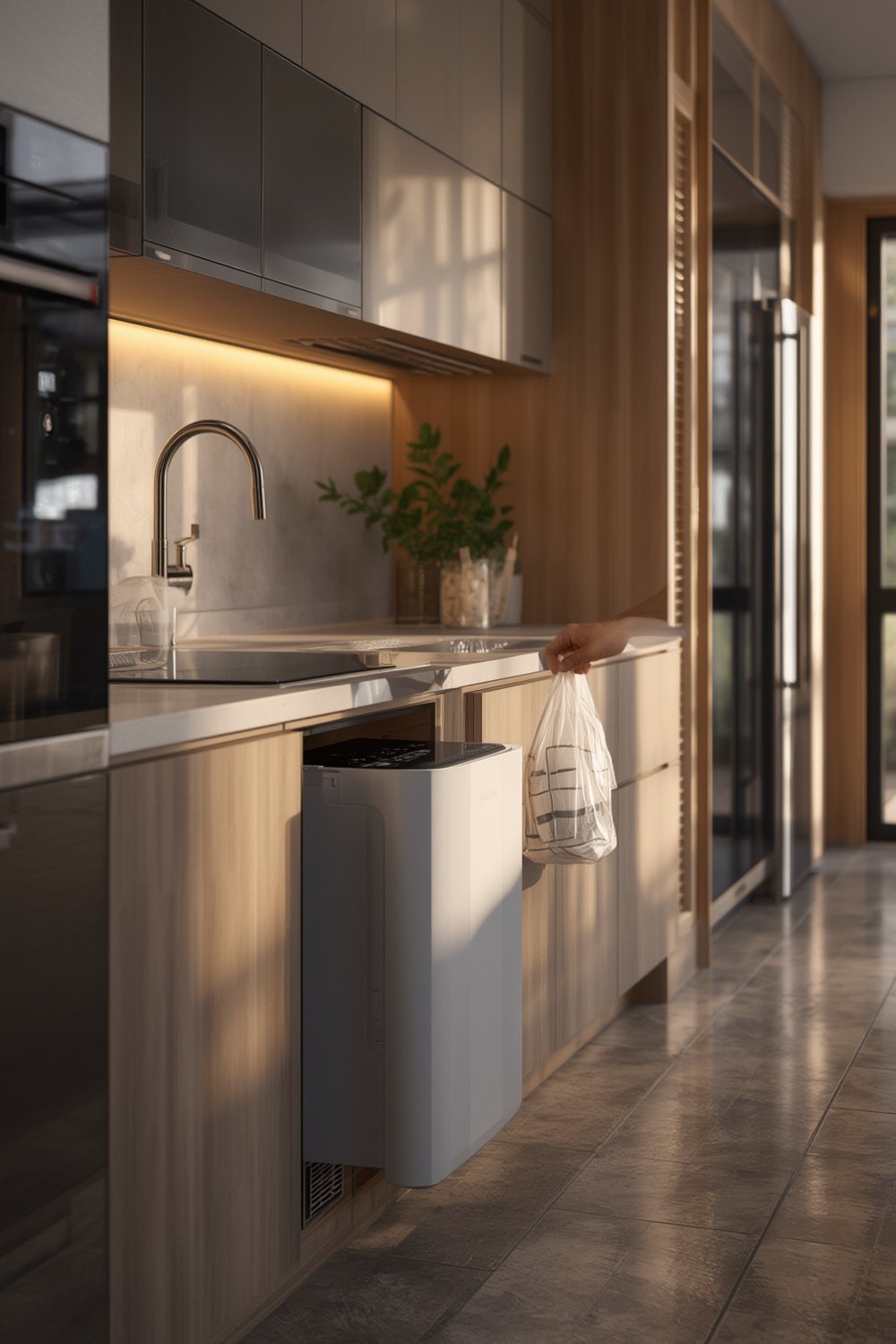
Modern options, such as the Clear Drop soft plastic compactor 2026 (an anticipated market entry), and emerging home plastic bag recycling machine home units, promise to make in-home soft plastic management more practical. But real-world data on these products—technical specs, energy use, noise, safety—isn’t fully available yet. For most households, the core need is a simple, safe, and affordable way to capture and store soft plastics for proper recycling.
If you want to futureproof your kitchen, see our primer on induction ready cookware—another major shift in sustainable kitchen setups.
How to Recycle Soft Plastics at Home: Step-by-Step Guide
Implementing a soft plastic compactor for household waste doesn’t require fancy tech yet. Here’s a workable process any household can start with, while waiting for more advanced appliances like home plastic wrapper recycling compressor models to become mainstream:
- Designate a Bin or Station: Place a clear, labeled bin (or bag) near your trash or under the sink for soft plastics ONLY. This keeps them separate and top of mind.
- Sort and Clean: Rinse food residue off bags and wrappers. Dry completely so you avoid contamination and mold.
- Compress Soft Plastics: Regularly press down on the contents with a clean object. This saves space, especially if you pack plastics inside an outgoing grocery bag.
- Store Until Drop-Off: When your bin, liner, or bag is full, seal and transport it safely to a participating drop-off point (usually major grocery stores or specialty recycling sites).
- Record the Habit: Set a reminder on your phone for regular drop-off. Make it part of your weekly shopping or errands routine.
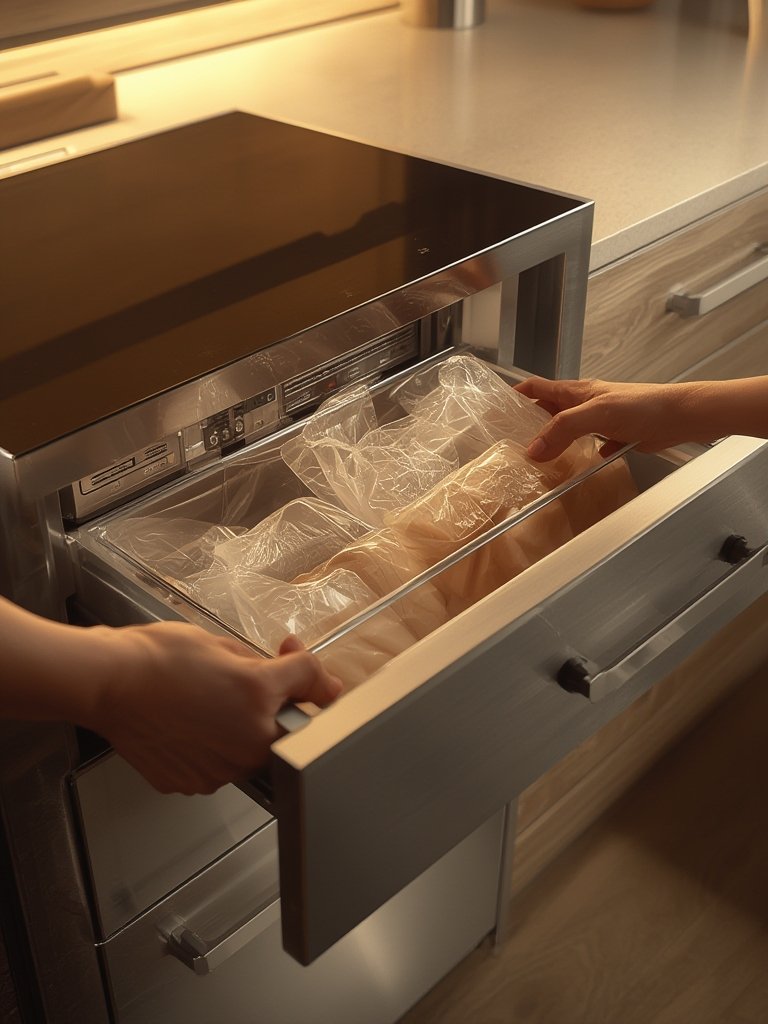
As true home plastic bag recycling machines and automated compressors evolve, this workflow can be upgraded—appliances like the anticipated Clear Drop soft plastic compactor 2026 may offer one-touch compaction with better odor and hygiene control. Until then, practical home hacks still provide a viable soft plastic recycling solution.
Looking to upgrade efficiency for other kitchen tasks? Check our guide on the best dual basket air fryers for busy homes.
Advanced Analysis: Real-World Pitfalls & Appliance Challenges
While the concept of a smart plastic bag recycling machine home device is compelling, today’s realities mean you should manage expectations. Here’s where households often stumble:
- Confusion Over What “Soft Plastic” Means: Many users accidentally mix in hard plastics or foil, contaminating batches. Only recycle bags, wraps, and flexibles you can “scrunch.”
- Cleanliness is Critical: Even modest food residue ruins recycling loads. Not all households wash or dry plastics thoroughly, undercutting the whole effort.
- Limited Curbside Options: Most city recycling services do not accept soft plastics curbside. Relying on them without checking means wasted effort.
- Drop-off Confusion: Only certain grocery stores or specialty centers accept clean, dry soft plastics. Users give up when access is inconsistent or unclear.
- Lack of Working Tech: Few actual home plastic wrapper recycling compressor or compactor kitchen solutions are on sale yet. Anticipated models like Clear Drop soft plastic compactor 2026 are still in rollout.
| Feature | Manual Compactor (DIY) | Clear Drop Soft Plastic Compactor 2026* |
|---|---|---|
| Has technical specs available? | No | No (as of this writing) |
| Compaction: Space Saving | Moderate | Expected: High |
| Noise & Power Usage | Silent, manual | Unknown |
| Hygiene Control | User dependent | Likely better (sealed unit) |
| Automation | No | Expected: Yes |
| Availability & Cost | DIY free/cheap | Unknown ($, not yet common) |
| Plastic Bag Recycling Machine Home Integration | No | Future potential |
*Projected features. No verified user reviews or technical data available as of 2026.
Another pitfall: Over-reliance on tech. Today’s best kitchen soft plastic recycling solution might still be a combination of habit, clear labeling, and local drop-off research, until truly trustworthy, safe, certified home machines arrive.
Want the latest in invisible kitchen appliances? See our breakdown of invisible induction cooktops for stealthy, minimalist style.
Conclusion
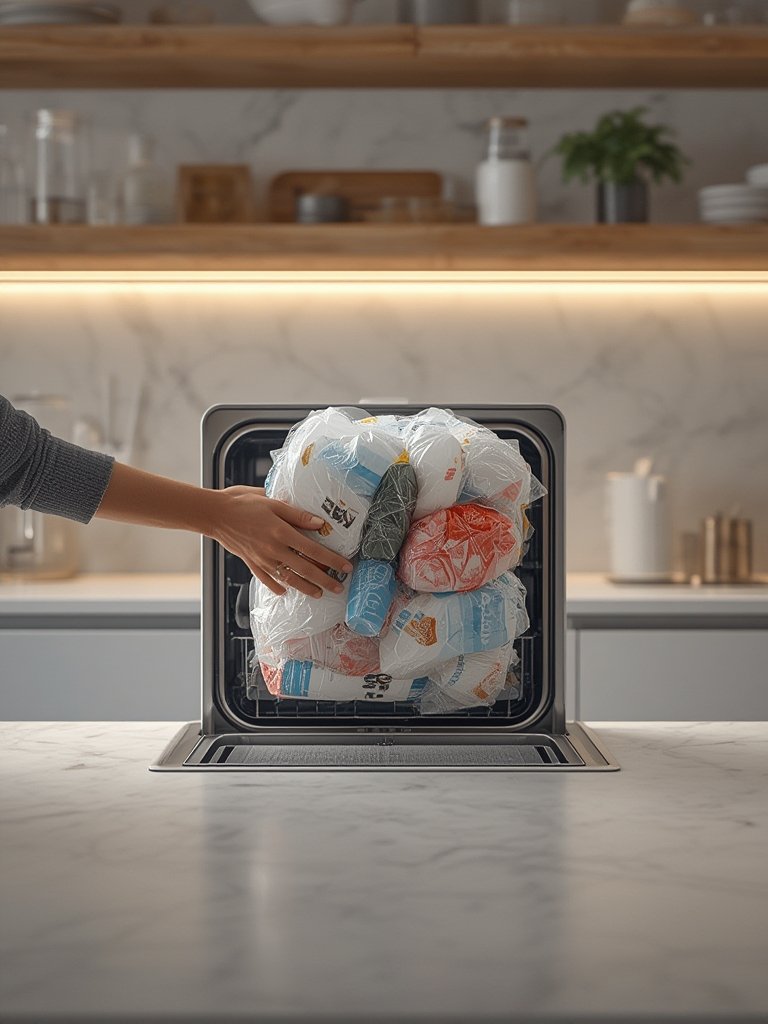
Cutting soft plastic waste means knowing your options and acting consistently. While no at-home soft plastic compactor kitchen solution is perfect in 2026, pairing a practical workflow with any available tech (or a good DIY setup) will keep most flexible plastics out of landfill. Watch for new developments like the Clear Drop soft plastic compactor 2026 and home plastic wrapper recycling compressor units—but don’t let lack of fancy gear stop you from making a difference right now. Start today and help close the loop.
Ready for more practical kitchen tech? Explore efficient, space-saving ideas for your home: Learn how a built-in under counter ice maker can upgrade your next gathering, or perfect your morning ritual with a professional-grade coffee station.
FAQ
What soft plastics can you put in a soft plastic compactor kitchen unit?
Most units are designed for bags, bread bags, bubble wrap, clean wraps, and snack packaging. Avoid compostable bags, dirty items, and anything with foil or metal lining to avoid contamination.
Can I get a plastic bag recycling machine home appliance that actually recycles plastic at home?
As of 2026, fully automated home recycling machines that turn soft plastic into reusable material are not widespread. Most available options store or compact soft plastics for drop-off. Watch for advances, especially in models like the Clear Drop soft plastic compactor 2026.
Is a kitchen soft plastic recycling solution worth it for renters or apartments?
Yes, but keep it simple. A compact bin or bag system works well in small kitchens. Just verify drop-off points near you. For small spaces, focus on manual compaction, airtight storage, and clearing the bin regularly.
How effective is a soft plastic compactor for household waste compared to regular recycling bins?
They’re better at reducing bulk and making drop-off less frequent, which helps busy households. However, without regular cleaning and sorting, they can turn into trash bins themselves if materials are contaminated.
Are there any incentives or regulations for buying a home plastic wrapper recycling compressor?
There are no household-specific incentives or certification schemes in 2026, although states are testing EPR (Extended Producer Responsibility) initiatives. Always check local recycling programs and retailer trade-in schemes for updates.

[…] more water drips all over the floor. Hacks & Tricks: Stash a small compost bin and a soft plastic compactor under the scullery sink. It keeps your main kitchen smelling fresh and streamlines eco-friendly […]