

Introduction
Choosing a cold brew coffee maker no ice can finally give you the undiluted, rich, and chilled coffee you crave—without watery results or tedious prep. With new rapid cooling appliances on the rise for 2024 and beyond, it’s time to cut through the hype and see what truly works for instant, ice-free cold brew.
Key Takeaways
- Cold brew coffee makers with instant chilling and no ice dilution are gaining traction, but most claims lack verified lab data or real consumer feedback.
- Features like thermoelectric cooling and electric chillers promise convenience, but maintenance, speed, and taste can be pain points.
- The 2024 market is booming, driven by millennials and Gen Z, with more innovation expected by 2026—but real-world results vary.
- Introduction
- The Core Concept: Instant Cold Brew Coffee Maker No Ice
- Step-by-Step Guide: Making True Cold Brew Without Ice
- Advanced Analysis & Common Pitfalls in No-Ice Cold Brew Systems
- Conclusion: Is a Cold Brew Coffee Maker No Ice Worth It?
- FAQ
The Core Concept: Instant Cold Brew Coffee Maker No Ice
A true cold brew coffee maker no ice is designed to deliver coffee that’s brewed cold, cooled instantly, and never gets diluted by melting ice. Unlike traditional cold brew, which steeps for 12-24 hours and often relies on ice cubes, these new models aim for rapid cooling using advanced appliances—no more watered-down brew or waiting overnight.
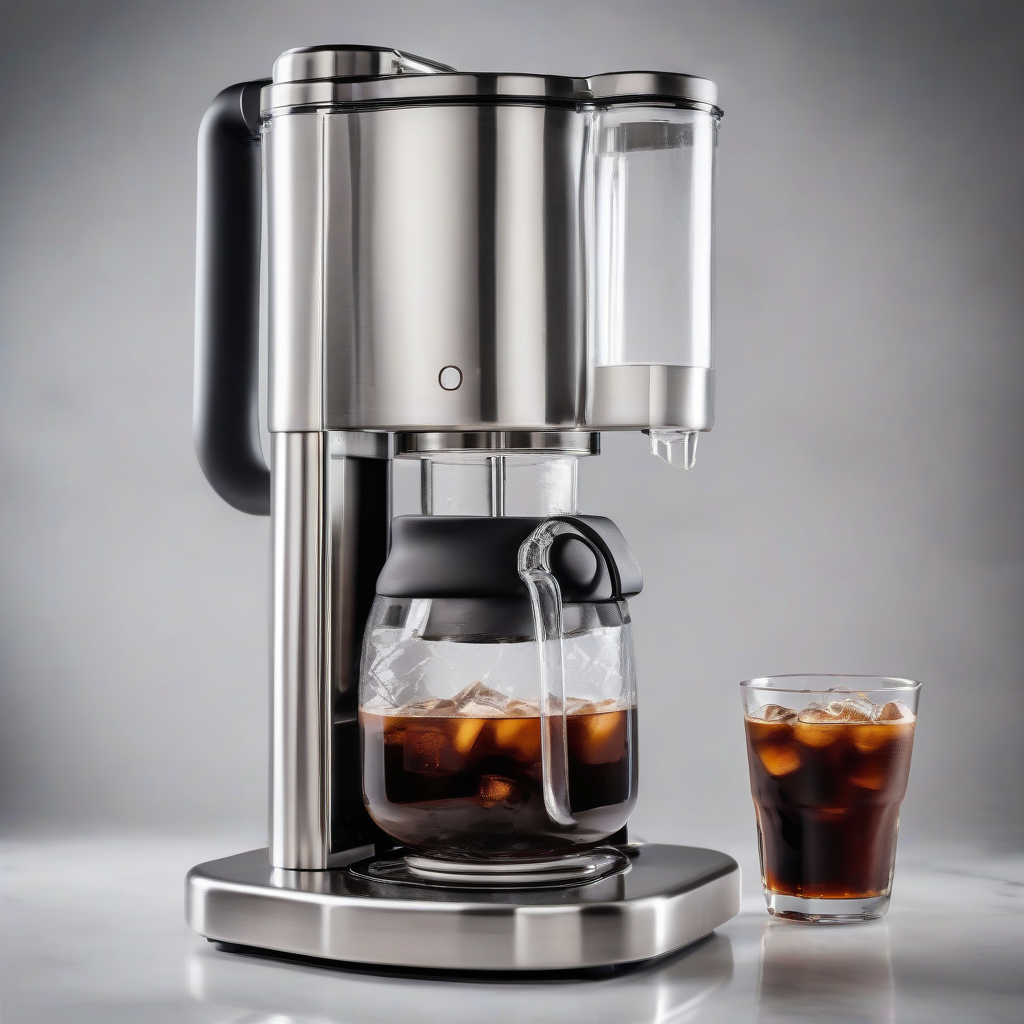
Emerging machines like the instant cold brew maker and innovative electric cold brew appliances (some equipped with cutting-edge thermoelectric cooling) work without traditional ice. Brands such as the Snowdrop cooling cold brew maker promise “no ice dilution,” keeping your coffee rich in flavor and instantly cold—addressing a real pain point for daily coffee drinkers.
These appliances often combine rapid brewing and chilling, attempting to give you a bold, ready-to-drink glass in minutes instead of hours. But does the tech match the marketing?
Step-by-Step Guide: Making True Cold Brew Without Ice
Follow these actionable steps to get the best results from a cold brew coffee maker no ice system, whether you use a Snowdrop, an electric cold brew maker, or an upcoming model with integrated thermoelectric cooling:
- Prepare Fresh, Coarse Coffee Grounds: Use a burr grinder and dose 1:8 (coffee to water) for standard strength. Cold brew recipes demand a coarser grind to prevent bitterness and clogging.
- Add Coffee and Water to the Appliance: For electric or Snowdrop-style devices, follow the brand-specific max fill and filter instructions closely. Overfilling leads to poor chilling and possible leaks.
- Select Chilling Mode (if applicable): Set the instant cold brew maker or cold brew appliance’s temperature to the lowest setting for rapid chilling. Thermoelectric cooling models often support automated or manual modes.
- Begin the Brewing and Chilling Cycle: Most true no-ice cold brew coffee machines run a combined steep and chill sequence. This usually takes 5-25 minutes, with advanced machines like the cold brew coffee machine chiller 2026 targeting under 10 minutes.
- Monitor and Dispense: Once the process is complete, pour directly into your cup or a pre-chilled glass. For extra-cold coffee without ice dilution, store in an insulated carafe if you’re not drinking immediately.
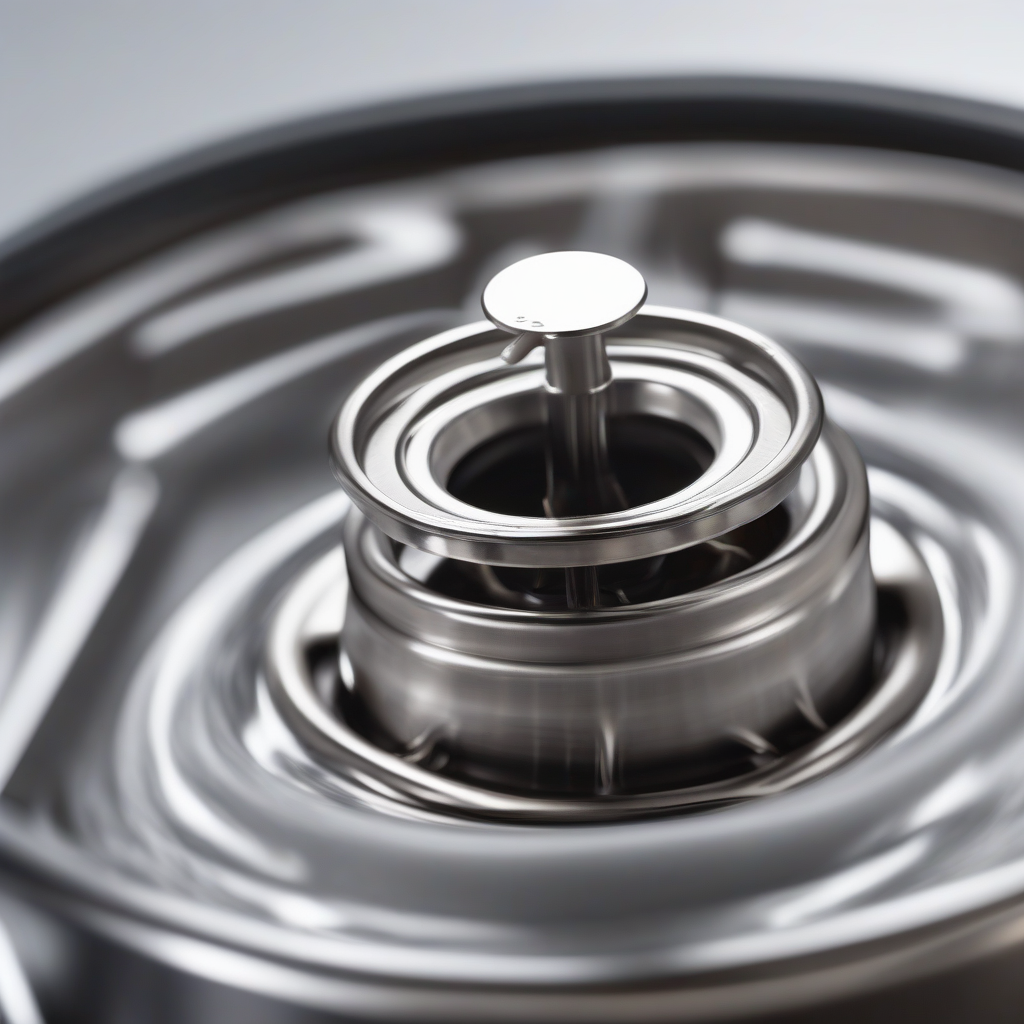
CLEANUP: Always wash the chilling chamber and filters right after use. Thermoelectric cooling plates in these appliances are prone to scale if left wet, which can impact both cooling performance and taste.
For more on equipping your kitchen with technology that matches your drinks ritual, check out our coffee station kitchen guide—where we compare built-in setups for both casual sippers and home baristas.
Advanced Analysis & Common Pitfalls in No-Ice Cold Brew Systems
The promise of an iced coffee maker without ice dilution appeals to anyone tired of watery or bland drinks. Yet, user experience and independent test data remain limited.
Common Pitfalls and Limitations
- Longer Chilling Times Than Promised: Many instant cold brew makers do not chill as quickly as their marketing states—actual cooling may exceed 10 minutes, especially in warm environments or with higher coffee volumes.
- Taste and Aroma Challenges: A poorly controlled cooling cycle (especially in basic electric cold brew makers) can produce flat or off-flavored coffee. Temperature fluctuations matter.
- Maintenance Complexity: Integrated chillers and thermoelectric cold brew appliances can be harder to clean or prone to calcium buildup. Parts like the Snowdrop cooling cold brew maker’s chilling rods must be descaled regularly.
- Energy Usage: Electric cold brew makers that keep coffee cold may draw more power than advertised. Energy efficiency varies widely, with few third-party benchmarks available to verify these claims.
Comparison: Instant Cold Brew Maker vs Electric Chilling Appliance
| Feature | Instant Cold Brew Maker | Electric Cold Brew Coffee Maker (Chiller) |
|---|---|---|
| Price (2024 Average) | $110 – $190 | $140 – $250 |
| Cooling Mechanism | Integrated metal chiller, no ice | Thermoelectric cooling, compressor or Peltier module |
| Energy Use | Low to moderate (20-60W) | Moderate to high (40-120W) |
| Maintenance Need | Low, simple rinsing | Medium-high, periodic descaling/chiller cleaning |
| Expected Lifespan | 2-4 years | 3-5 years (if maintained) |
For other energy-efficient appliances and their maintenance profiles, see our AI oven guide where emerging smart kitchen trends overlap with reliability insights.
Are the Claims Verified?
As of 2024, there are no published laboratory tests confirming the exact no-dilution and speed claims for instant cold brew coffee makers or thermoelectric models. Most testing data comes from brand marketing, not independent labs. Choose models with detailed third-party user reviews, and keep in mind that technical innovations like the upcoming cold brew coffee machine chiller 2026 are promising, but still lack track records.
For space-saving kitchen tech that actually delivers on its claims, see our reviews of the dual basket air fryer and built-in under counter ice maker. Both have transparent user reporting and verified third-party testing.
Upcoming Features: 2026 and Beyond
Look for cold brew appliance thermoelectric cooling and modular chiller inserts to expand by 2026. As of now, no specific feature roadmaps are public, but rapid cooling and smart monitoring will likely improve as competition grows. Stay updated on next-gen induction cooking and invisible induction cooktops—these trends shape appliance design and reliability across categories.
For those seeking health-focused technology, advances in steam oven tech are influencing cold brew systems, particularly regarding taste and preservation. Compare trends in our steam oven for healthy cooking review.
Conclusion: Is a Cold Brew Coffee Maker No Ice Worth It?
Choosing a cold brew coffee maker no ice is about immediate results, authenticity of flavor, and skipping the hassle of ice dilution. While instant cold brew makers and electric chillers promise real convenience, current models still face speed, maintenance, and taste hurdles—often with few independent lab tests to back up the boldest claims. The market is booming, so expect rapid improvement and more options by 2026. For now, weigh your priorities, read real-world user reviews, and use our guide to avoid disappointment. Ready to upgrade your routine? Explore more kitchen tech breakthroughs with our top kitchen guides and find appliances that genuinely fit your lifestyle.
FAQ
What makes a cold brew coffee maker no ice truly different from standard cold brew?
A true cold brew coffee maker no ice uses built-in chillers or thermoelectric cooling to chill the coffee without any ice, preventing dilution. Standard makers typically require added ice, which waters down flavor. These advanced models aim to deliver instant, undiluted iced coffee fresh from the machine.
Does an instant cold brew maker really save time?
Most instant cold brew makers can prepare and chill coffee in under 25 minutes, compared to 12-24 hours for classic cold brew. However, in real use, cooling may sometimes take longer than advertised, especially in warm rooms or with large batches.
Are there downsides to electric cold brew makers that use chillers?
Downsides can include more complex maintenance, the need to descale cooling plates, and sometimes unreliable chilling if the device is not properly cleaned or cared for. Energy use may also be higher than expected, so always check user reviews and efficiency specs.
Is there any real proof that iced coffee makers without ice dilution actually work?
There are currently no public laboratory or third-party test results confirming the speed or no-dilution claims. Most available data is from manufacturer marketing or brand-sponsored testing. Until independent reviews are more common, shop carefully and check for real customer feedback.
Are new features like cold brew appliance thermoelectric cooling coming soon?
Thermoelectric cooling, modular chilling, and automated temperature controls are expected to expand by 2026, but as of now, most details remain scarce. Watch for product launches and credible reviews as new models hit the market.