

If you have ever tried to make perfect omelets or fluffy pancakes only to end up with a burnt mess stuck to your pan, you know how frustrating unreliable nonstick cookware can be. Ceramic nonstick cookware promises easy cleanup and PFAS-free peace of mind, but does it really live up to the hype for home cooks, big families, or apartment dwellers with precious little storage?
Key Takeaways
- Ceramic nonstick cookware is PFAS-free and excels at low to medium heat cooking tasks like eggs, pancakes, and fish.
- Durability depends heavily on following use/care rules: avoid high heat, metal utensils, and dishwashers.
- Chipping, gradual loss of nonstick, and grime on rivets are the main complaints users report, especially with GreenPan and its alternatives.
- For the slickest, long-lasting pans, look for thicker anodized aluminum, reinforced handles, and brands that offer clear 3-5 year warranties.
- What It Is and Why It Matters
- Key Features and How to Use It
- Pros, Cons, and Common Issues
- Conclusion
- FAQ
What It Is and Why It Matters
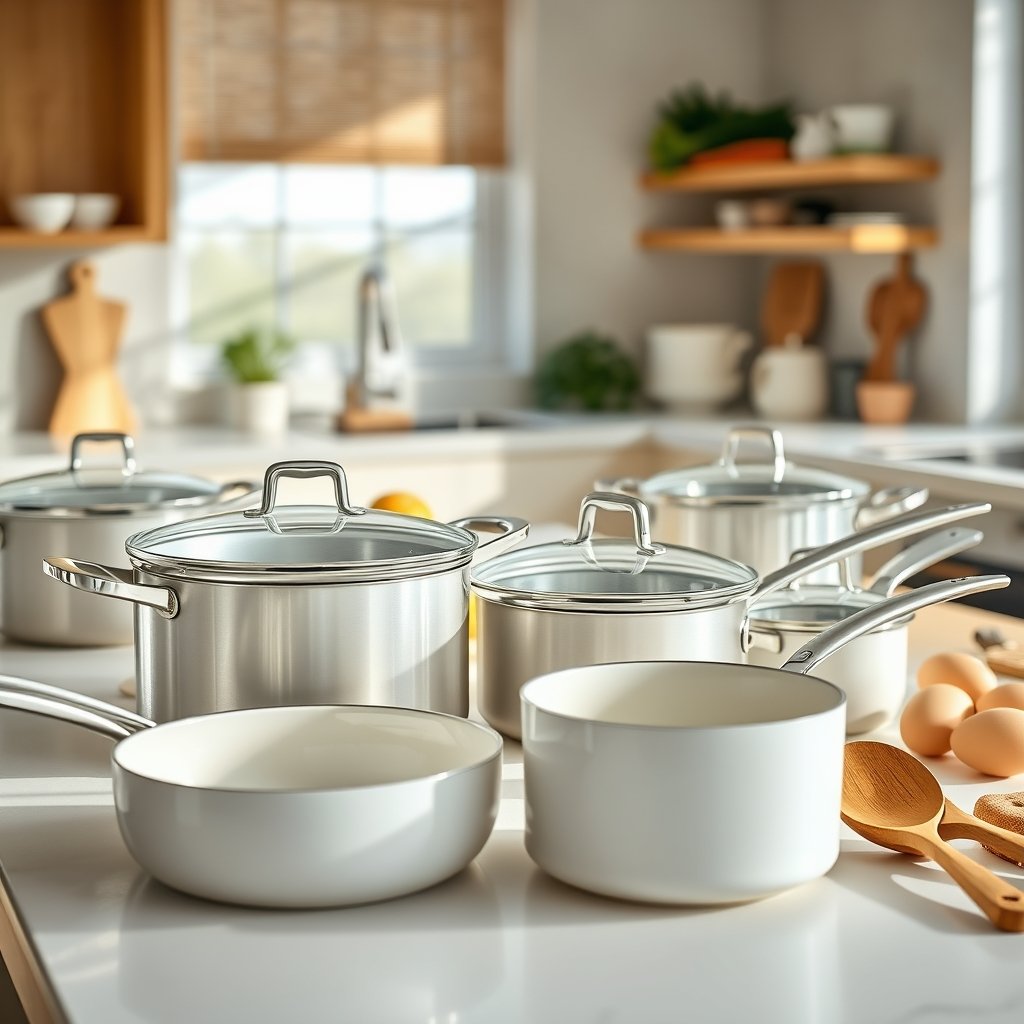
Ceramic nonstick cookware refers to pans and pots coated with a sand-derivative mineral finish (like Thermolon) instead of conventional Teflon (PTFE). In practice, most ceramic nonstick pan sets are aluminum-based, with the ceramic layer giving food-sliding power and easy cleanup—minus “forever chemicals.” Popular brands like GreenPan Reserve offer pans in 8- to 12-inch sizes (great for scrambled eggs or a batch of hash browns), with prices for a set ranging usually from $100-$400, depending on piece count and features.
Who should consider ceramic? If you’re prioritizing health (especially in PFAS-restricted states), want to avoid chemical fumes (no Teflon), or simply love the slick, almost-flawless release for eggs and pancakes, it’s a compelling category. Apartment cooks and families alike find ceramic’s light weight easy to store and maneuver—even if your cabinets compete for space with an espresso machine or air fryer.
Key Features and How to Use It
The main draw of ceramic nonstick cookware is its ability to release even sticky foods with little or no oil. For example, the best ceramic coated pans I’ve tested slid eggs and fish filets around like air hockey pucks—provided you stick to low or medium heat (never go above 500°F).
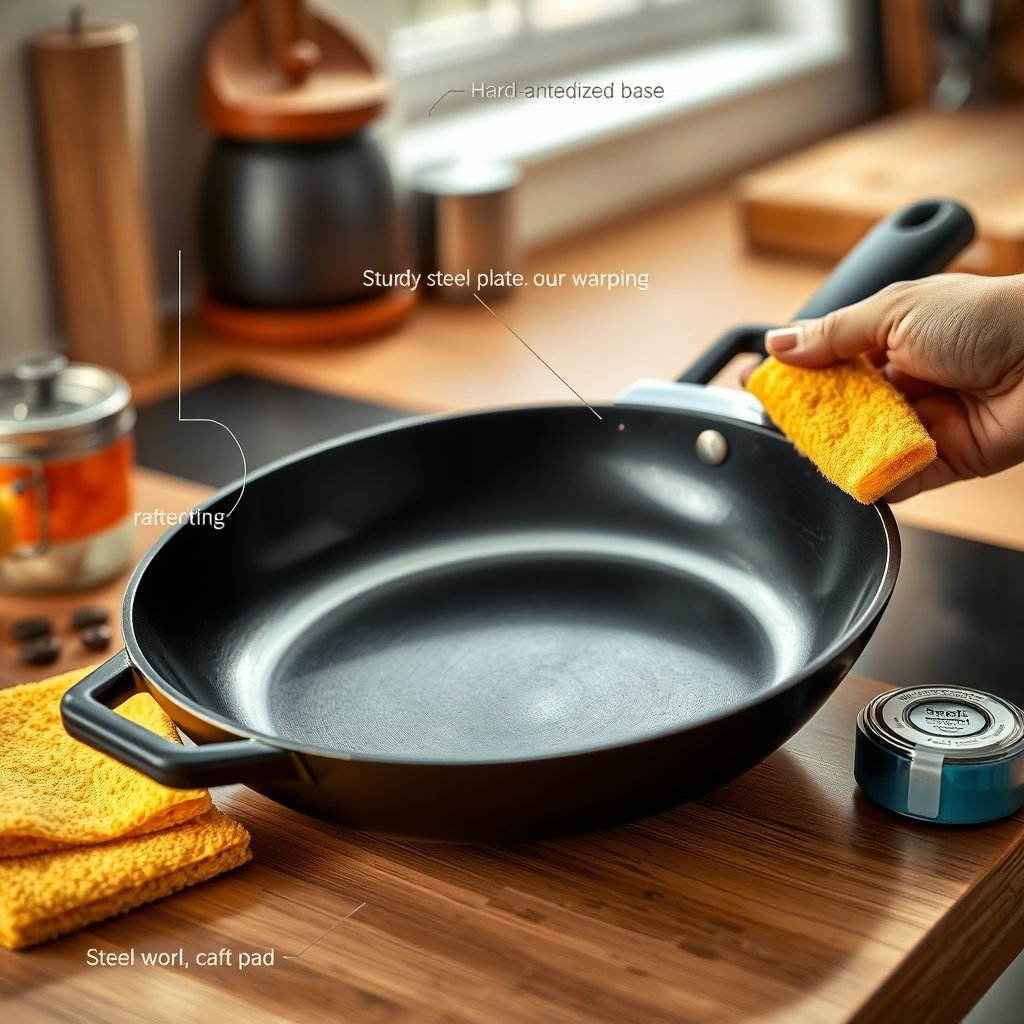
Typical sets (like the GreenPan Reserve or Rio) include 8-, 10-, and 12-inch frypans, saucepans, and sometimes a stockpot. The hard anodized aluminum gives decent weight (~2-3 pounds for a 12-inch pan), and when new, the surface rivals Teflon for slickness. Some models feature stainless handles and glass lids, but bare aluminum or non-coated rivets are common even on premium sets—a known spot for grime buildup over time.
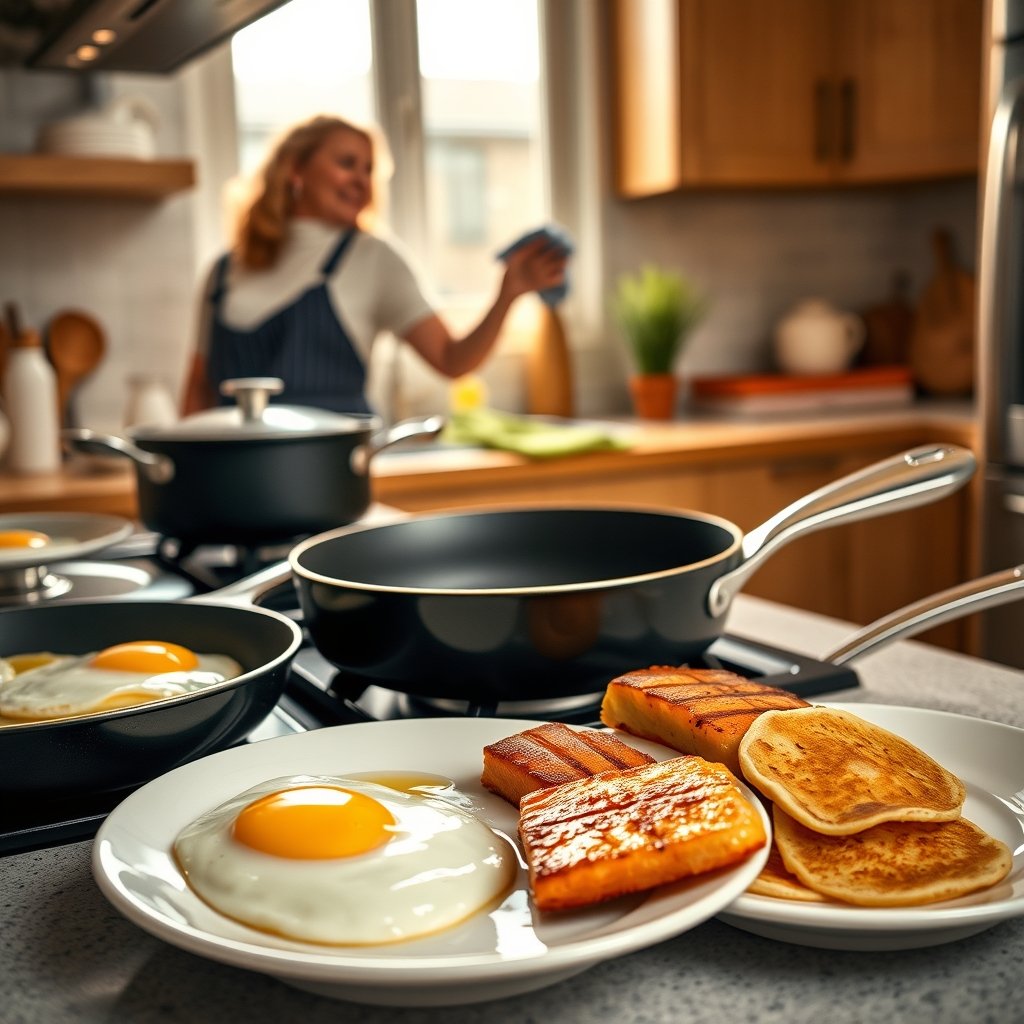
Performance-wise, Thermolon coating cookware stands out for making healthy, low-fat cooking accessible. Multiple eggs, pancakes, potstickers—these glide right off. For meal prep, whipping up four egg omelets for the week is nearly effortless, especially if you’re hurrying out the door or juggling remote work calls from your kitchen island.
But longevity and nonstick performance depend entirely on consistent gentle use:
- Keep to low/medium heat for even cooking.
- Hand-wash only (dishwasher will dull the coating within months).
- Use only wood, silicone, or nylon tools. Metal utensils can chip or gouge the ceramic, and once chipped, sticking accelerates fast.
- Pan sizes: Most flagship frypans (like the GreenPan 12-inch) have a capacity suited for 4-6 eggs, or 2-3 chicken breasts at once. Sets usually weigh 8-15 pounds combined.
- Most brands offer “eco-friendly” credentials, but check warranties. GreenPan typically gives 2-3 years on nonstick, but lifetime on the base. Cheap brands rarely offer support if you cook the finish off in twelve months.
While GreenPan is the best known, if you seek PFAS-free cookware with similar features, options like GreenLife, Lima, and Paris Original (also Thermolon-based) appear in multi-piece sets. Prices vary, but all share the durability risks if you ignore care rules. Warranties range from one to five years (read the fine print—nonstick warranty is always separate from warping or base material).
If you cook on an induction cooktop, beware: Most ceramic nonstick cookware is not induction-ready unless it has a magnetic steel plate, which is rarely the case in budget or mid-tier sets.
Pros, Cons, and Common Issues
After cycling through at least five different sets in my own kitchen, here’s a brutally honest look at the real-world pros and cons, including user feedback and my own mishaps (like that time a 12-inch pan arrived with a chip out of the box).
| Pros | Cons / Common Issues |
|---|---|
|
|
How Do the Best Ceramic Coated Pans Stack Up?
According to Consumer Reports, GreenPan’s top Reserve frypan excels at even heat distribution and can survive 2,000 steel wool scrubs with only moderate loss of nonstick. But if you want ceramic cookware that actually lasts, you absolutely must avoid high heat, never cook over a roaring flame, and stick to handwashing. Cheaper brands or sets show nonstick failures and chipping much earlier—sometimes in just a few months if abused (source).
Comparing ceramic vs Teflon pans, Thermolon and similar coatings are less flexible than PTFE but stand up better to tough cleaning. That means if you sometimes burn your pancakes, you can get away with a gentle steel wool scrub—just not with Teflon, which will pit and lose its slickness.
If you want alternatives to GreenPan, choices like GreenLife, Lima, and Paris Original all use similar base technology, and while Caraway is a hot Internet favorite, reliable durability data is still limited in public reviews.
Conclusion
In my experience, ceramic nonstick cookware is fantastic for egg lovers, health-conscious cooks, and anyone who hates elbow grease at the sink—for as long as you remember the rules (no high heat or metal tools). For anyone with a tendency to crank the burner or toss pans in the dishwasher, you’ll be better off with classic stainless or a modern dual basket air fryer for easy cleanup.
If gentle use suits your lifestyle, and you want the safest, PFAS-free kitchen, a ceramic nonstick pan set or one of the best ceramic coated pans is a smart pickup. Just know you may need to replace them every few years.
Curious about how ceramic nonstick stacks up to induction or cast iron alternatives? Read our full comparison guide or check the latest price on Amazon.
FAQ
How long does ceramic nonstick cookware actually last with regular use?
Most quality ceramic nonstick pans like GreenPan or GreenLife last between 2-5 years, provided you keep to low-medium heat, hand-wash only, and never use metal utensils. Many users report diminished nonstick after 6-18 months if they regularly overheat or run through the dishwasher. Proper care is essential for longevity. (Source)
What are the best ceramic coated pans for eggs and pancakes?
The best ceramic coated pans for eggs and pancakes include GreenPan’s Reserve 10- or 12-inch frypan, GreenLife’s Soft Grip collection, and Caraway’s 10.5-inch skillet (based on early user reviews). The slick surface works wonderfully for low-oil cooking as long as you avoid high heat and use gentle tools.
Is ceramic cookware really safer than traditional Teflon/ PTFE nonstick?
Yes, most ceramic nonstick cookware is considered PFAS-free (no PTFE, PFOA, or other “forever chemicals”). Brands like GreenPan use Thermolon, a sand-derivative, for their coating. There are no safety lawsuits or major red flags on these products. By contrast, Teflon’s main concern is emission of fumes at very high heat and long-term health questions. (Source)
Can I use ceramic nonstick cookware on induction stovetops?
Most ceramic nonstick pan sets are not induction compatible unless the base includes a magnetic stainless steel plate. Always check for the “induction-ready” symbol or consider reading our cookware for induction guide to find compatible options.
What’s the actual difference between ceramic vs Teflon pans in daily cooking?
Ceramic nonstick cookware uses mineral-based coatings like Thermolon and is nearly as slick as Teflon at first. However, ceramic is more brittle, ages a bit faster if misused, and can handle scrubbing better. Teflon (PTFE) remains the champ for longevity if never overheated or scratched but carries more health-related controversy.