

Cabinet Pull-Out Shelves: An Honest Kitchen Upgrade Guide
If you’re tired of crawling on your knees to dig out a heavy Dutch oven or your favorite sauté pan, cabinet pull-out shelves might be the kitchen update you’ve secretly craved. I’ve lived in both tiny urban apartments and sprawling family homes, and nothing compares to sliding out a shelf and seeing every pot, pan, and blender at eye level. But are they really worth the cost and installation?
Key Takeaways
- Cabinet pull-out shelves maximize accessibility, especially for lower cabinets and deep storage spaces.
- Installation can be a weekend DIY project or pro-level, depending on your cabinet type and skills.
- While they boost organization, some users find minor storage loss compared to full-depth fixed shelves.
- Invest in heavy-duty pull-out shelf hardware for storing heavier cookware or small appliances.
- Introduction
- What It Is and Why It Matters
- Key Features and How to Use It
- Pros, Cons, and Common Issues
- Conclusion
- FAQ
What Are Cabinet Pull-Out Shelves and Why Do They Matter?
Cabinet pull-out shelves—sometimes called sliding shelves or pull-out cabinet organizers—are storage upgrades designed to retrofit into existing lower kitchen cabinets, pantries, or base units. Instead of static, hard-to-reach shelving, these systems mount shelves onto Ball-Bearing Slides so you can smoothly extend, access, and organize your cookware or pantry goods with minimal bending or straining.
Capacity & Specs: Most popular models come in widths from 9 to 36 inches, with depths between 18 and 22 inches. Typical weight capacities range from 50 to 100+ pounds per shelf (heavier if you opt for industrial-grade or “heavy duty pull-out shelf hardware” options).
Pricing: Basic metal wire or lightweight MDF kits start at $40-60 for standard sizes, while premium wood dovetail pull-outs run $100-180 per shelf. Expect to pay $100 more for custom wood versions versus metal wire varieties (see source).
Who Are They For? Home cooks who rely on lots of pots, pans, or appliances love kitchen pull-out shelf retrofits. They also help if your cabinet storage is deep or low and you have trouble kneeling. Apartment dwellers and anyone with mobility concerns especially benefit from easy-access sliding cabinet shelves for pots and pans.
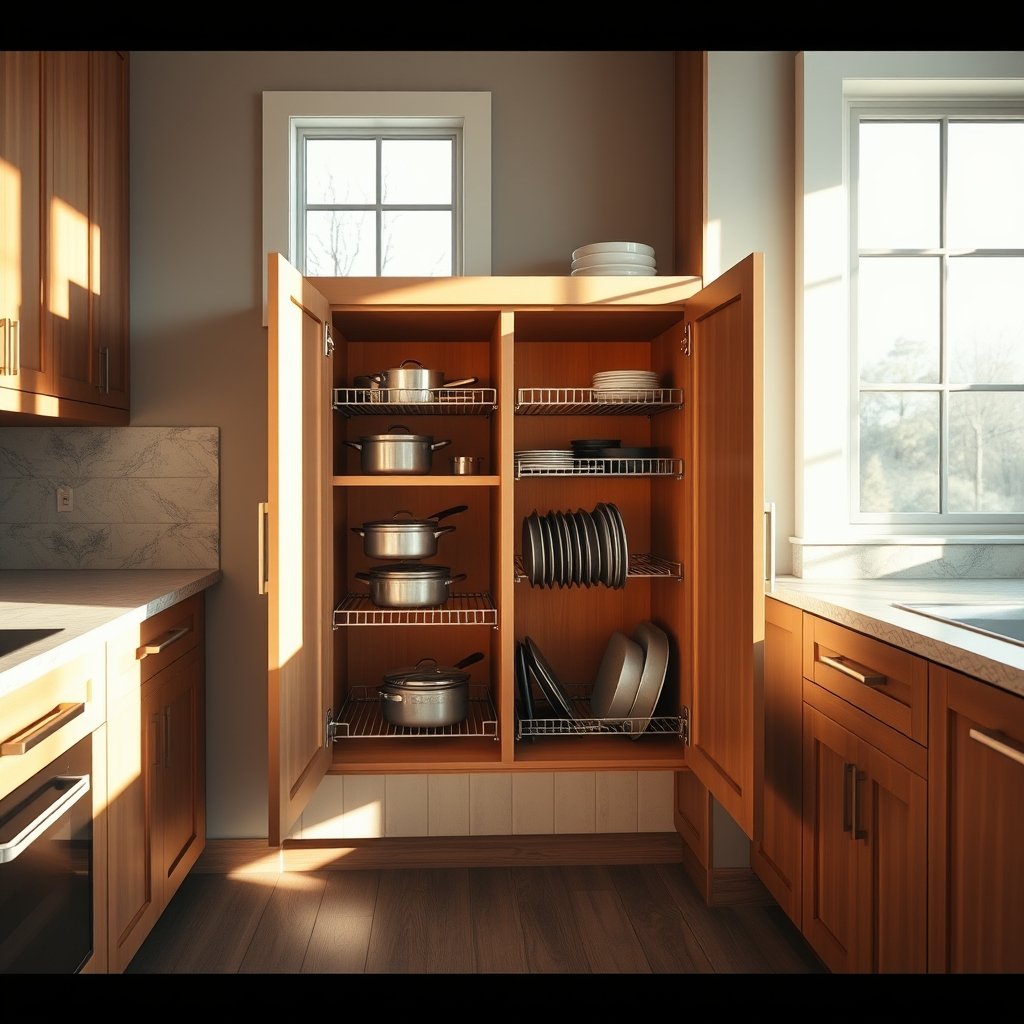
Key Features and How to Use Cabinet Pull-Out Shelves
After testing several brands, here’s what matters most for daily kitchen life:
- Ball-Bearing Slides: Choose shelves with full-extension, soft-close hardware—these glide quietly, even under a heavy stockpot.
- Adjustability: Many pull-out models offer some flexibility for width or riser height. Look for kits labeled as “lower cabinet pull-out shelf kit” for adaptable installations.
- Material & Strength: For heavy casserole dishes, prioritize steel-frame or premium plywood. This ensures your pull-out drawer cabinet conversion won’t warp over time.
- Mounting Style: Most install on the cabinet floor, but some attach to existing shelves. This will impact stability and how much vertical space you lose.
How to Use Them: Once installed, organizing your kitchen becomes far easier. Assign zones: use one pull-out shelf for small appliances (blender, food processor), another for sliding cabinet shelves for pots and pans. Most brands tolerate everyday use, but if you’re storing cast iron, check for models rated to 80 pounds or more.
Meal Prep Made Simple: During dinner rush, pull out your shelf and grab the colander, Dutch oven, or wok without rearranging half the cabinet. For bakers, store mixing bowls and measuring gear on a single, easy-access tray.
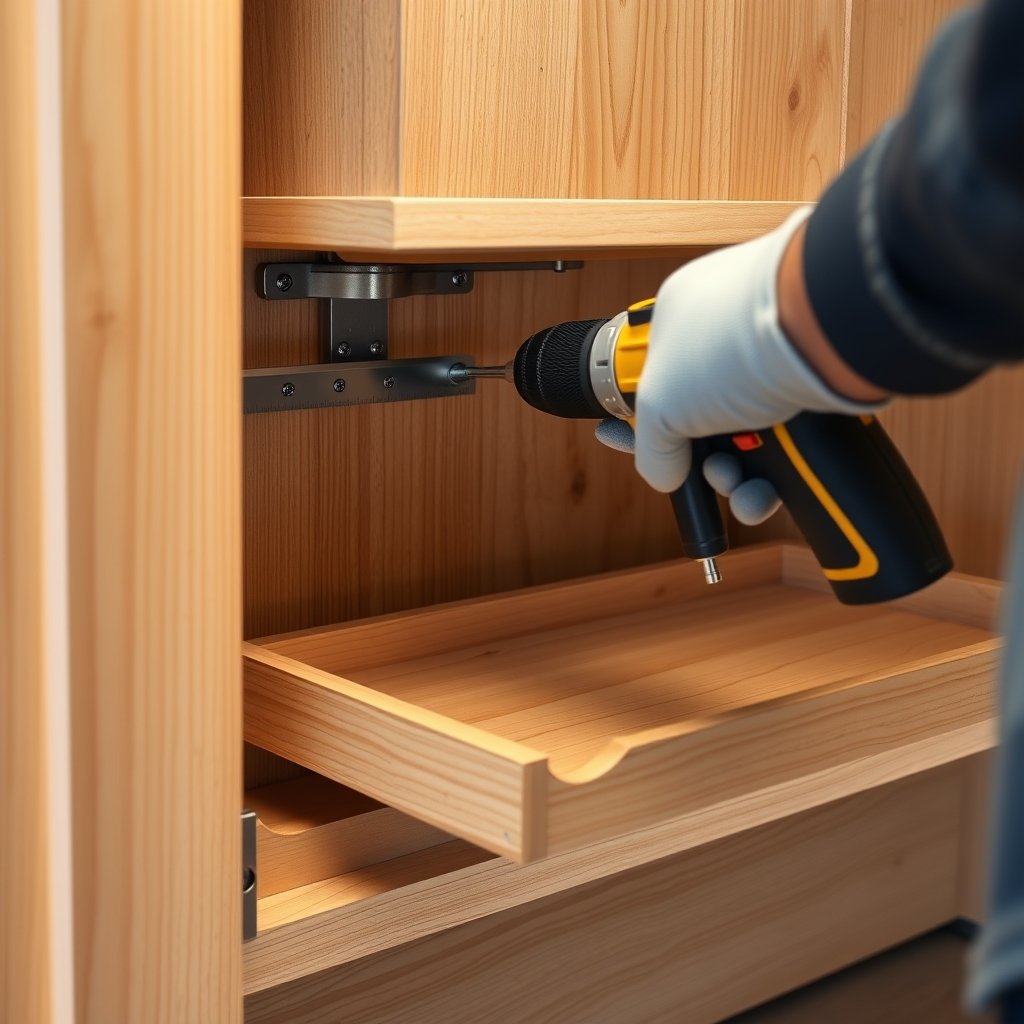
Some brands offer modular options. You can add dividers for baking sheets or keep tall pantry goods corralled. If your kitchen layout has deep lower cabinets or corner “blind” cabinets, pull-out organizers are also one of the few real solutions for wasted space.
For added efficiency, pair your pull-outs with modern workstation sinks to create a true chef’s prep zone.
Pros, Cons, and Common Issues of Cabinet Pull-Out Shelves
| Pros | Cons |
|---|---|
|
|
Based on customer feedback from Home Depot and ShelvesThatSlide, most users are satisfied with the daily convenience. A minority regret losing some storage capacity with pantry pull-outs, especially if switching from full fixed shelving.
Quality varies: Cheaper hardware or improper installation is the biggest reason for sticking, wobbly, or short-lived drawers—something I experienced personally with a bargain kit that wasn’t designed for my heavy Dutch oven.
For more on how different kitchen tools fit in cabinet pull-outs, see our guides on best cookware for induction stoves or dual basket air fryer storage tips.
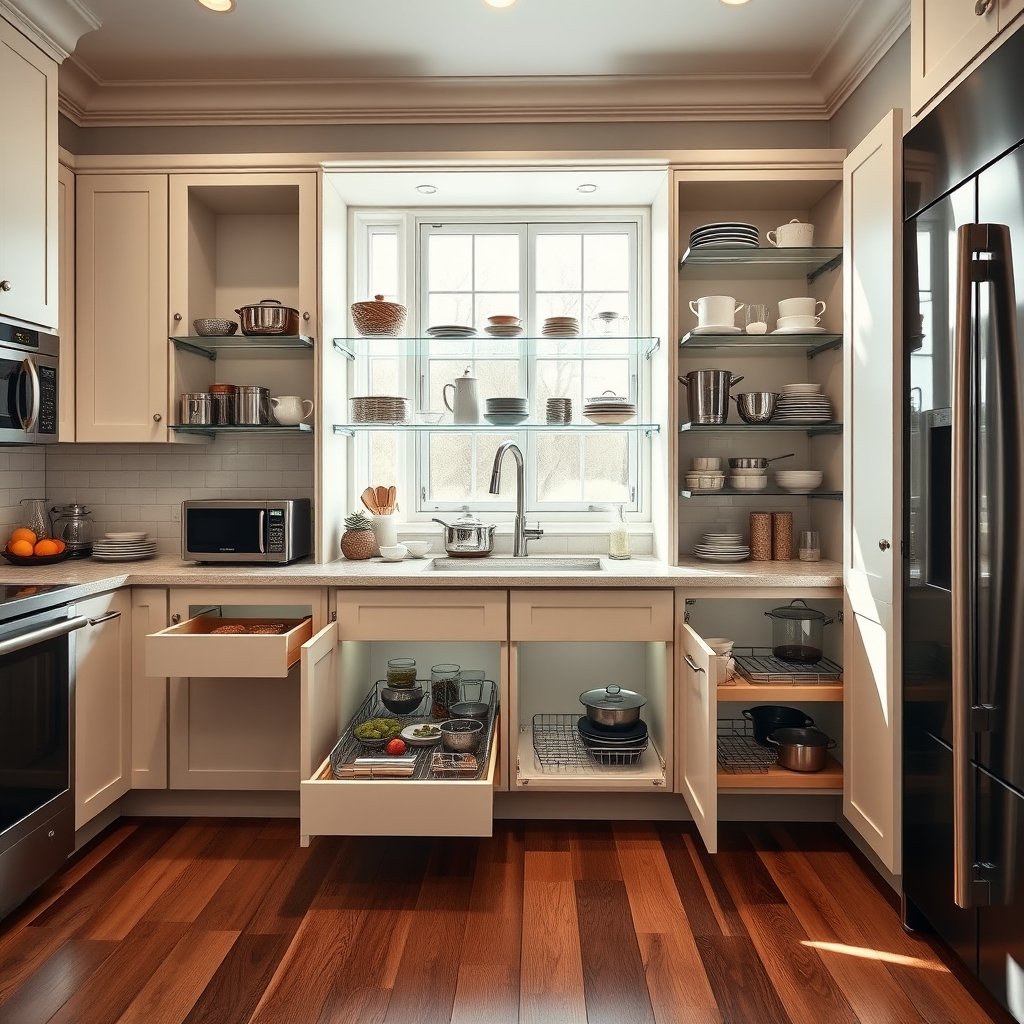
Conclusion: Should You Retrofit Cabinet Pull-Out Shelves?
If you’re tired of kitchen frustration and want true “grab-and-go” access, cabinet pull-out shelves deliver real-life daily value. They especially suit cooks who use lots of stacked cookware, own multiple heavy appliances, or dislike crawling into deep cabinets. If you’re short on cabinet space or use every last inch, factor in cabinet pull-out shelves’ minimal storage trade-off before installing. Above all, choose a kit with heavy duty pull-out shelf hardware for lasting performance.
Ready to transform your kitchen flow? Check the latest price on Amazon and Home Depot. For more head-to-head reviews (including build quality and warranty details), see our upcoming pull-out organizer comparison guide.
FAQ: Cabinet Pull-Out Shelves
How do I install cabinet pull-out shelves in an existing kitchen?
Most kits for cabinet pull-out shelves come with rail slides, brackets, and mounting screws. Remove your cabinet door (if converting to a pull-out drawer cabinet) and take precise inside width and depth measurements. Mark and predrill screw holes according to the rail template so the shelf glides clear of any face frame or obstructions. Double-check for clearance on full extension before final tightening.
Will a pull-out cabinet organizer reduce my storage space?
Yes, a small amount. Expect to lose roughly 1.5-3 inches’ width (due to rails and hardware), especially in tight cabinets. Some users have reported regret when adding pantry pull-outs in shallow cabinets, as seen in recent Houzz discussions. For maximum storage in deep cabinets, opt for the largest possible shelf and avoid double-stacking if you can.
What’s the best option for pots and pans—sliding cabinet shelves or a lower cabinet pull-out shelf kit?
For heavy cookware, prioritize a lower cabinet pull-out shelf kit with metal rails and solid hardwood or thick plywood construction. These handle 80+ pounds, so you can lift a full Dutch oven or cast iron skillet safely. Wire-framed or MDF models under $50 may flex or fail under repeated use. Always check the specs or reviews for weight ratings.
Can I use heavy duty pull-out shelf hardware for appliances like stand mixers or air fryers?
Absolutely. If you own a heavy stand mixer (20 pounds or more), select shelves rated for at least 100 pounds with steel ball-bearing slides. Secure mounting is crucial—reinforce the floor of your cabinet if needed and choose screws long enough to anchor well into the substrate.
Are pull-out shelves a good upgrade in a smaller apartment kitchen?
Yes, especially for maximizing deep or awkward lower cabinets. In my own 24-inch HiSense fridge setup (see review), cabinet pull-out shelves made it easier to access pantry staples and cookware without having to remove everything on the shelf above.

[…] items so grips don’t clash mid-cooking. Hacks & Tricks: Combine your knife strip with a pegboard kitchen organizer or hanging kitchen rail system for the ultimate chef’s command center. I hang kitchen shears, […]
[…] and is a big help in tiny kitchens, especially next to vertically oriented storage upgrades like cabinet pull-out shelves or magnetic knife strips—both of which can literally reclaim feet of wasted […]