

Introduction
If you’ve ever watched scrambled eggs stubbornly glue themselves to your old nonstick skillet, you know why many home cooks are upgrading to a ceramic cookware set. I’ve spent the last two years running every kind of meal—family pasta nights, Sunday brunch, and quick weeknight dinners—through both Caraway and GreenPan ceramic pots and pans. The promise is simple: truly non-toxic, beautiful cookware that doesn’t shed chemicals or require tons of oil. The reality involves some important trade-offs most reviews skip. Here’s what I wish I knew before unboxing my first set.
Key Takeaways
- Ceramic cookware sets deliver PFAS-free, non-toxic cooking—great for health-conscious families and anyone concerned about “forever chemicals.”
- The nonstick magic usually starts fading after 1-2 years, especially with frequent use or if cleaning guidelines aren’t followed strictly.
- Caraway outlasts GreenPan in most real-world kitchens, but both face complaints of exterior chipping and stains, especially on lighter colors.
- Best for sautéing, eggs, and gentle oven bakes, but not for aggressive searing, broiling, or metal utensils—plan for gentle use and hand washing.
- Introduction
- What Is a Ceramic Cookware Set and Why It Matters?
- Key Features and How to Use It
- Pros, Cons, and Common Issues
- Conclusion
- FAQ
What Is a Ceramic Cookware Set and Why It Matters?
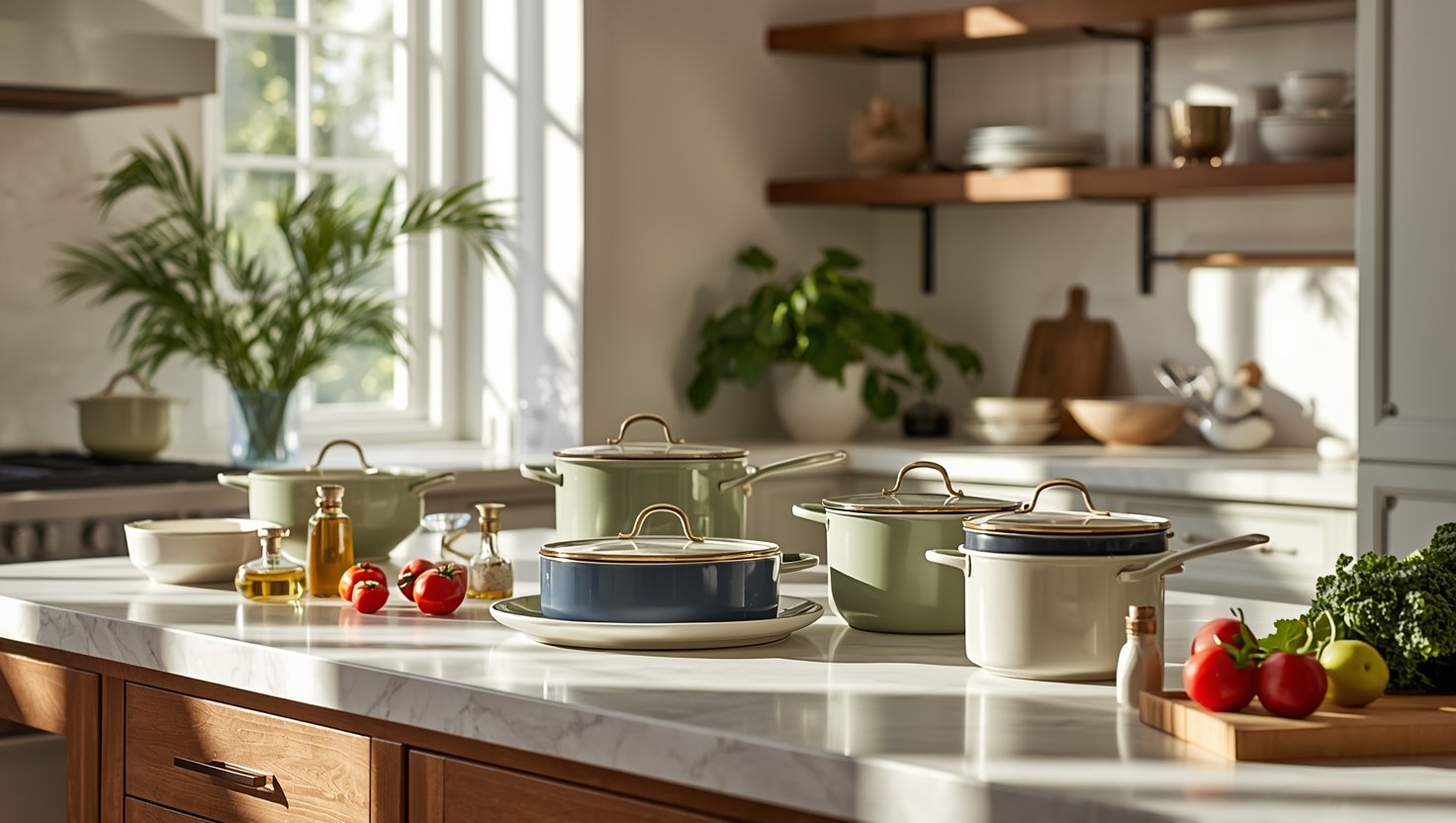
A ceramic cookware set usually includes a mix of saucepans, frying pans, and a Dutch oven, each coated in a sand- or silicon-derived ceramic for a slick, non-toxic cooking surface. Instead of the PTFE coating found in traditional “Teflon” pans, ceramic doesn’t contain PFAS or PFOA—making it especially popular since recent PFAS bans began rolling out.
What should you expect physically? Exact specs vary. For example, Caraway’s basic set typically includes:
- 10.5″ fry pan (2.7 qt)
- 3 qt saucepan with lid
- 6.5 qt Dutch oven
- 4.5 qt sauté pan with lid
The pieces are often heavier than standard aluminum, thanks to a 5-6 lb weight per pan and thicker sides for even heating (material thickness is about 3-4 mm, though brands rarely specify precisely). You’ll find modern color options like navy, sage, and gray—darker shades are advised since white shows stains (e.g., after simmering tomato sauce).
Price-wise, Caraway sets are premium (around $395 to $495, or roughly $100 per piece with accessories included), while GreenPan and GreenLife are often found between $120 and $250 per set but without organizational extras.
If your priority is to reduce chemical exposure in daily meal prep or you want eco-appeal and stylish organization, ceramic is a top contender. But there’s important nuance—especially if you want cookware that’ll last for years or survive frequent, high-heat cooking.
Key Features and How to Use It
When you open up a Caraway box (or a competing best ceramic pots and pans set), the first thing you’ll notice is a matte, ultra-smooth interior. It feels slippery fresh out of the box. The handles are usually solid stainless or matching ceramic-coated aluminum—great for staying cooler during stovetop sessions.
Most sets (like Caraway and GreenPan Valencia Pro) are oven-safe up to 550°F. This means you can start a frittata on the stovetop and finish it in the oven—just skip the broiler, as direct upper heat risks damaging the ceramic. The Dutch oven is deep enough for 2-3 quarts of chili, and the larger sauté pan easily fits four chicken breasts.
For best results:
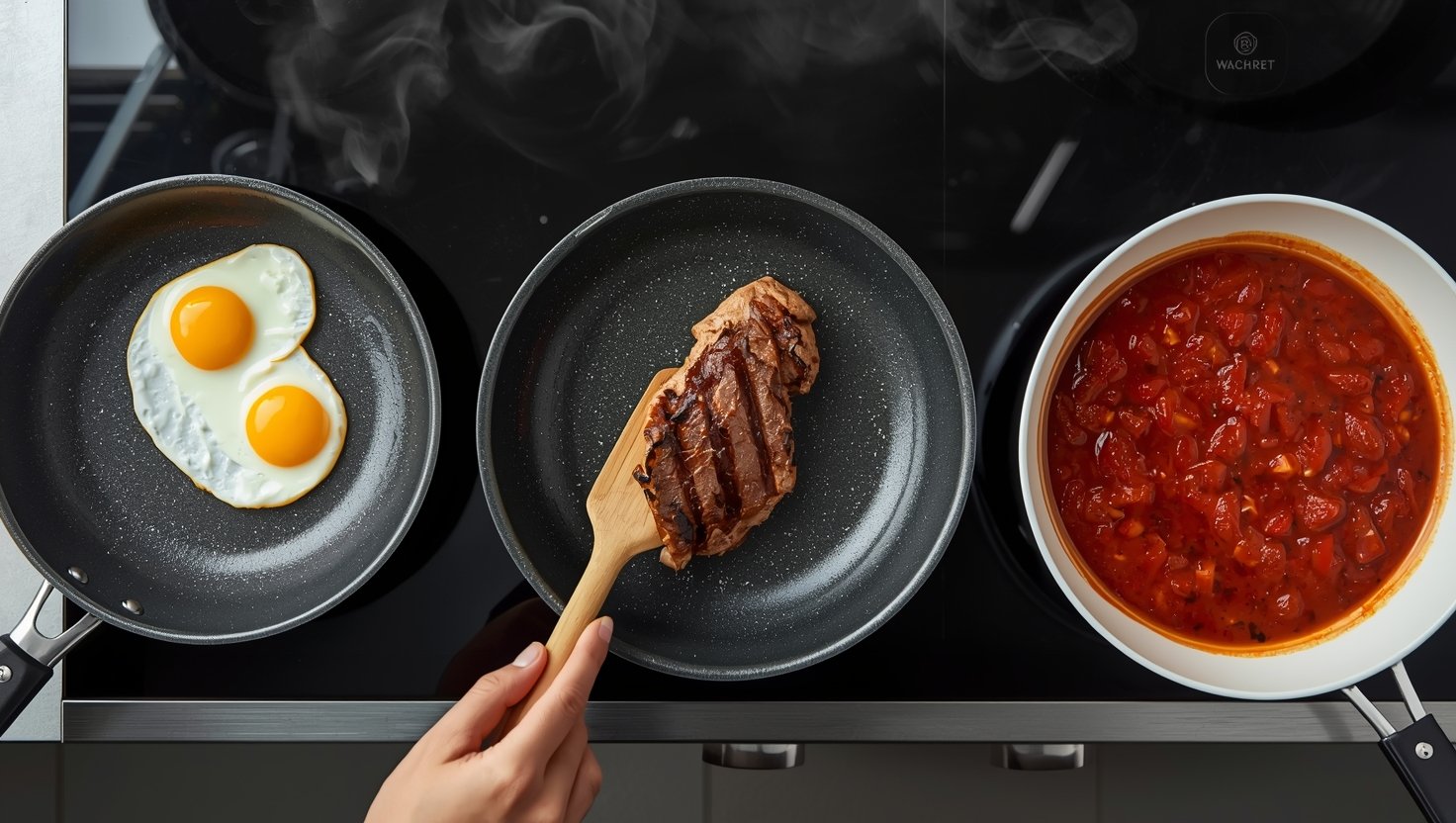
- Always use medium-low heat for eggs, pancakes, or anything sticky. High heat can scorch the nonstick in 2-3 uses!
- Stick to wood, silicone, or nylon utensils—metal will scratch the coating, especially if you need to scramble vigorously.
- Avoid nonstick spray. Real butter or avocado oil is fine, and you’ll use less than in stainless pans.
- Hand wash only. Dishwasher detergents and ultra-hot cycles cause exterior chipping and interior dulling fast, confirmed in dozens of Caraway cookware reviews.
If you like storage to be as beautiful as your cookware, Caraway’s sets come with a magnetic pan rack and canvas lid holder. This keeps scratches at bay when stacking and is a big help in tiny kitchens, especially next to vertically oriented storage upgrades like cabinet pull-out shelves or magnetic knife strips—both of which can literally reclaim feet of wasted space.
Looking for induction compatibility? Not all ceramic sets work, but Caraway, GreenPan Valencia Pro, and some new GreenLife models are compatible. If you’re planning to switch to induction, see our full cookware for induction guide for symbol breakdowns and recommendations.
Pros, Cons, and Common Issues
Here’s where the rubber meets the road. After 12-18 months of real-world use, here’s how ceramic cookware sets like Caraway and GreenPan really hold up.
| Feature | Caraway | GreenPan | GreenLife |
|---|---|---|---|
| Non-Toxic? | Yes. Silicon-based ceramic, 3rd-party tested PFAS free | Yes. Sand-based Thermolon™, PFAS free | Yes, but less consistent lab testing |
| Nonstick Durability | 1-5 years (often 2+ years) | 6-18 months (many report frying pans fail in months) | 3-9 months (frequent complaints of failure) |
| Scratch/Chip Resistance | Resists, but gets exterior chips/stains if not hand-washed | Scratches easily with metal (interior/exterior) | Scratches quickly, especially on lower-cost sets |
| Ease of Cleaning | Easy, but exteriors stain (especially white/cream) | Easy (if hand-washed), but exteriors peel if dishwashed | Low—cleaning worsens appearance quickly |
| Oven Safe? | Yes (up to 550°F, except broiler) | Yes (usually to 600°F, lids less) | Limited (check model) |
| Includes Storage? | Yes. Magnetic rack + lid holder included | No | No |
| Cost-Per-Piece | $$$ (Premium, $90-150 each with accessories) | $$ (often $20-45 per pan in sets) | $ (lowest cost, least durable) |
Common Ceramic Cookware Pros
- No PTFE, PFOA, or “forever chemicals”—safe at high-heat unless overheated
- Eggs and pancakes slide off (at least the first 6 months to a year)
- Ultra-fast heat-up and even cooking—my risotto cooks in 7 minutes less compared to stainless
- Beautiful colors and minimalist design fit “wellness” kitchen trends and minimalist appliances
- Oven-safe up to 500–550°F (just don’t use the broiler)
Cons and Real User Complaints
- Nonstick wears off quickly in main frying pans—most Caraway/GreenPan users report sticking with eggs and pancakes between 5 and 12 months. See this detailed Caraway cookware review for long-term examples.
- Exterior paint chips or scratches, especially if you store pans stacked or put them in the dishwasher. White finishes stain after one pass with tomato sauce or burnt garlic.
- Not suitable for high-heat searing or broiling. If you want to brown a steak or make crispy-skinned salmon, grab a cast iron or carbon steel pan instead.
- Short lifespan: Many users see performance drop after 1-3 years of regular use, leading to more landfill and replacement cost—not eco-friendly versus the initial marketing claims.
- Cannot repair or re-coat once the slick surface is gone (unlike carbon steel which can be re-seasoned).
- Hand wash only. Dishwasher detergents and even some “eco” soaps cause more chipping and dulling.
Caraway vs GreenPan: Which Is Best?
After cycling both in my own kitchen, Caraway holds up longer as a non toxic ceramic cookware option—the coating lasts a solid year or more, even with frequent brunches and the occasional midnight cheese quesadilla. GreenPan is initially great but seems to develop sticky spots and gray scratches by month six (with gentle wood spatulas and daily hand washing). For weekend cooks, Caraway’s longevity and included storage win out, though the higher price stings. If you want “disposable” pans for a dorm, GreenLife sets are an ultra-budget fallback, but expect more rapid ceramic nonstick durability issues after a few months.
Still, neither is ideal for families who pound out 2-3 meals a day and demand decade-long performance—if that’s your goal, you might want to check out alternatives like ceramic nonstick cookware that actually lasts or PFAS-free steel core pans.
Conclusion
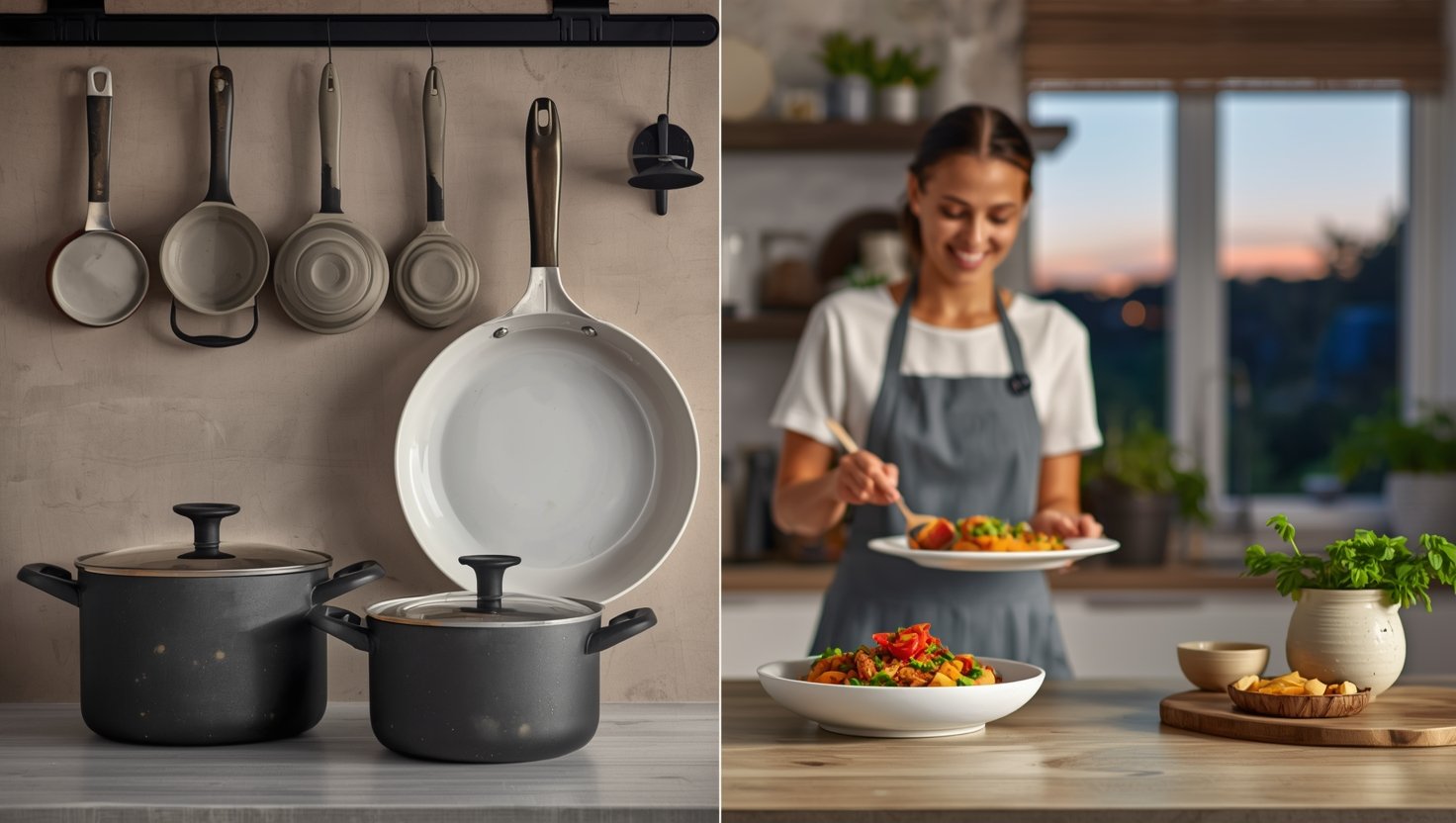
A ceramic cookware set is perfect if you want simple, non-toxic cooking, crave Instagram-worthy kitchen organization, and don’t mind hand washing for lasting results. Caraway provides better long-term value and design than GreenPan or GreenLife, but all ceramic nonstick pans will eventually lose their superpower. If you need cookware for daily high-heat searing or want to avoid re-buying every two years, consider mixing in carbon steel or cast iron.
If you prioritize health, convenience, and beauty—and are okay with a 1-3 year replacement cycle—ceramic is worth it. For deeper comparison across brands and a look at the ceramic cookware pros cons spectrum, check out our full guide to ceramic nonstick cookware, or read our side-by-side review.
Want to see real prices and colors? Check the latest price on Amazon before you buy.
FAQ: Ceramic Cookware Set
How long does a ceramic cookware set really last?
Most users report 1 to 3 years of true nonstick performance with daily use. After 6-12 months, you might need more oil or see eggs begin to stick. Caraway typically outlasts GreenPan and GreenLife, but eventually, all ceramic nonstick coatings degrade. Hand washing and avoiding high heat can extend this to 4-5 years in lighter-use kitchens.
What is the biggest downside in a Caraway cookware review?
The top complaint in any honest Caraway cookware review is the loss of nonstick performance after 6-18 months, especially for eggs and pancakes. Exterior paint chips and stains are also common, particularly if you dishwash or scrub with abrasive pads. However, most users agree it’s non-toxic and much safer than old-school Teflon pans.
Is a ceramic cookware set better for induction or gas stoves?
Look for induction-ready symbols if you’re using an invisible induction cooktop or portable hob. Caraway, GreenPan Valencia Pro, and some GreenLife sets have a magnetic steel base that works on induction. For gas, ceramic works fine but avoid flare-ups that could damage the paint. See our induction cookware buying guide for details.
What are the most important ceramic cookware pros cons?
Pros: Non-toxic, slick surface for eggs and sauces, attractive design, oven-safe.
Cons: Loses nonstick quickly with rough use, scratches/chips if not hand washed, not for high-heat searing or broiling, short lifespan means more frequent replacements.
What’s the difference: Caraway vs GreenPan?
The big difference is in ceramic nonstick durability. Caraway’s silicon-based ceramic coating lasts longer—up to twice as long as GreenPan’s Thermolon in most tests and user surveys. Both are PFAS-free, but GreenPan frying pans often need replacement in a year or less, while Caraway users can get 2-3 years of quality use with gentle care.