

AI oven technology is quickly reshaping the modern kitchen, blending advanced sensors, automated cooking, and even built-in cameras for precision and convenience. If you’re considering a smart oven with camera, or looking ahead to the AI cooking oven 2026 market, understanding real-world performance and pitfalls is essential. This guide breaks down what’s new, what actually works, and how to upgrade your kitchen without regret.
Key Takeaways
- AI ovens combine smart sensors and camera technology for automated, precision cooking, but detailed specs and real user reliability data remain scarce.
- Most models on the market offer automated temperature adjustment, but privacy certifications and camera resolution metrics are not widely disclosed.
- Costs range widely, with premium ovens commanding higher prices and step-up features, while entry-level options compete on affordability and simplicity.
- What is an AI Oven and Why Are Smart Ovens with Cameras Trending?
- How to Choose and Use a Smart Oven with Camera: Step-by-Step
- Advanced Analysis: Market Realities, Pitfalls, and Unanswered Questions
- Conclusion: Should You Buy an AI Oven?
- FAQ: AI Ovens & Smart Ovens with Cameras
What is an AI Oven and Why Are Smart Ovens with Cameras Trending?
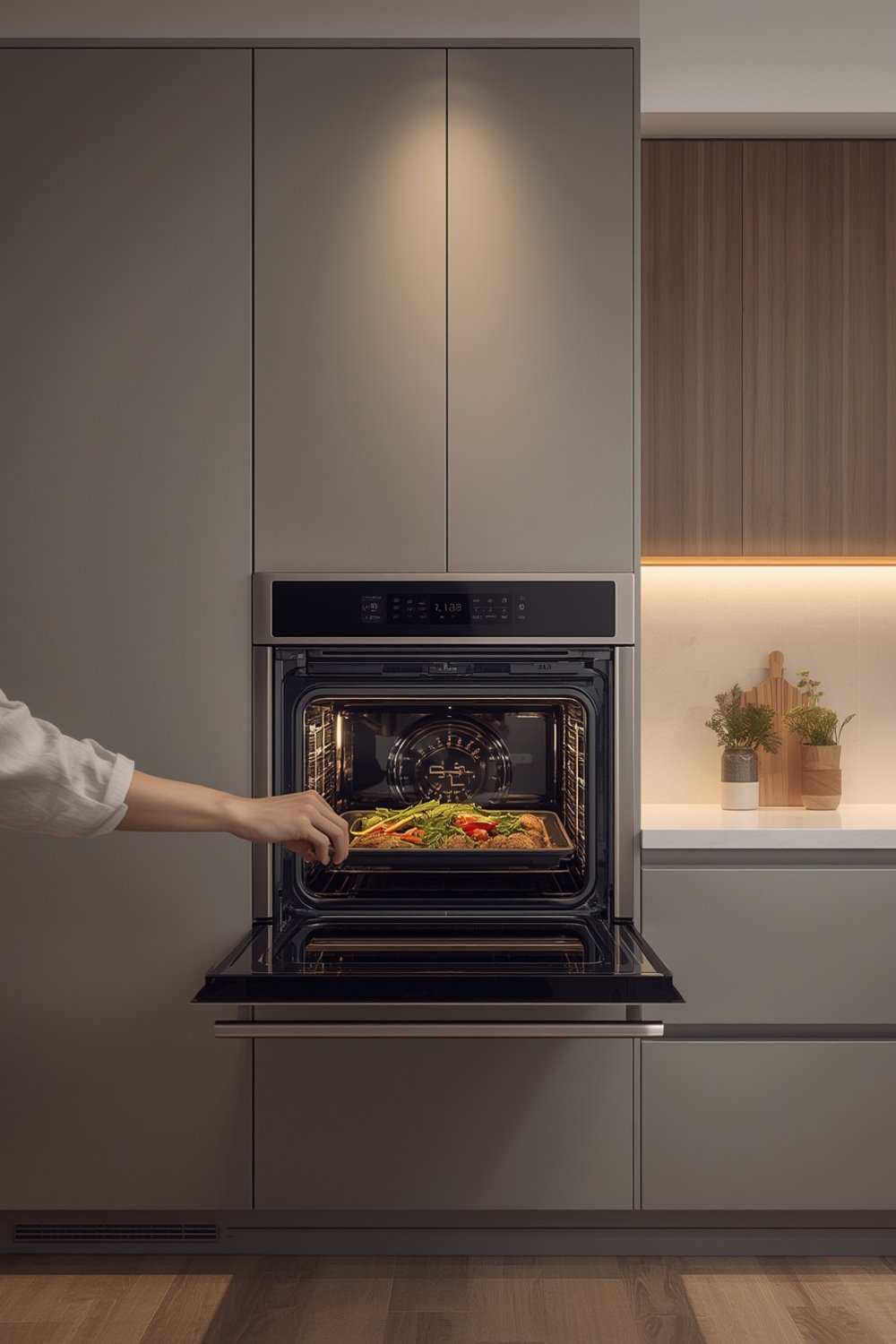
An AI oven is a next-generation appliance that uses artificial intelligence (AI), advanced sensors, and often a built-in camera to automate and optimize your cooking. Unlike a standard smart oven, an AI oven uses food recognition, custom cooking profiles, and real-time environment monitoring to automatically adjust temperature, timing, and heating methods. This creates a seamless, hands-off cooking experience that appeals to home cooks and professionals alike.
The hype around the best smart oven that adjusts temperature automatically has grown sharply, with the global smart ovens market projected to reach up to USD 918 million by 2033 (SkyQuest). Models like the smart oven with camera are especially attractive for their ability to recognize different foods and handle each with tailored cooking, reducing guesswork and food waste.
Exact technical specs for built-in camera food recognition, like in the Miele SmartView ID oven or Brisk It Neoma AI countertop oven, are hard to find publicly, but these models promise a glimpse into fully automated, AI-driven kitchens of the near future. For more on induction appliance compatibility, check our cast iron on induction cooktop breakdown.
How to Choose and Use a Smart Oven with Camera: Step-by-Step
1. Evaluate What You Need
Start with your routine. Do you want a countertop, built-in, or commercial style? Prioritize features: automatic temperature adjustment, camera-based food recognition, or AI-driven cooking programs. Models like Brisk It Neoma AI countertop oven excel in hands-off cooking thanks to AI, while others lean toward customization or connectivity.
2. Research Core Features
- Camera technology: Look for an oven with built-in camera food recognition if you want true automation, but beware most brands don’t publish camera resolution or accuracy rates.
- Sensor suite: Top AI ovens use humidity, temperature, and sometimes weight sensors for precision.
- Smart connectivity: WiFi and app integration are now standard. Voice control and remote monitoring, as seen in Miele SmartView ID oven, can add convenience.
- Capacity: Typical AI ovens offer 48-50 liters, balancing multitasking and kitchen space.
- Cooking Programs: Preloaded, AI-optimized programs help achieve consistent results, even for beginners.
3. Compare Entry-Level vs Premium Models
Entry-level AI or smart oven with camera units offer basic automation, often lacking the robust food database or higher-end cameras found on premium appliances. Premium models, like Miele and Brisk It Neoma, deliver advanced learning, more custom controls, and (potentially) better long-term reliability. Decide which is worth the investment for you.
4. Setup and Calibration
Follow the manufacturer’s directions to connect your oven to WiFi, activate built-in cameras, and complete software setup. When calibrating food recognition, introduce it to staple foods and monitor accuracy. Regular software updates can improve performance and add new recipes.
5. Maintenance and Software Care
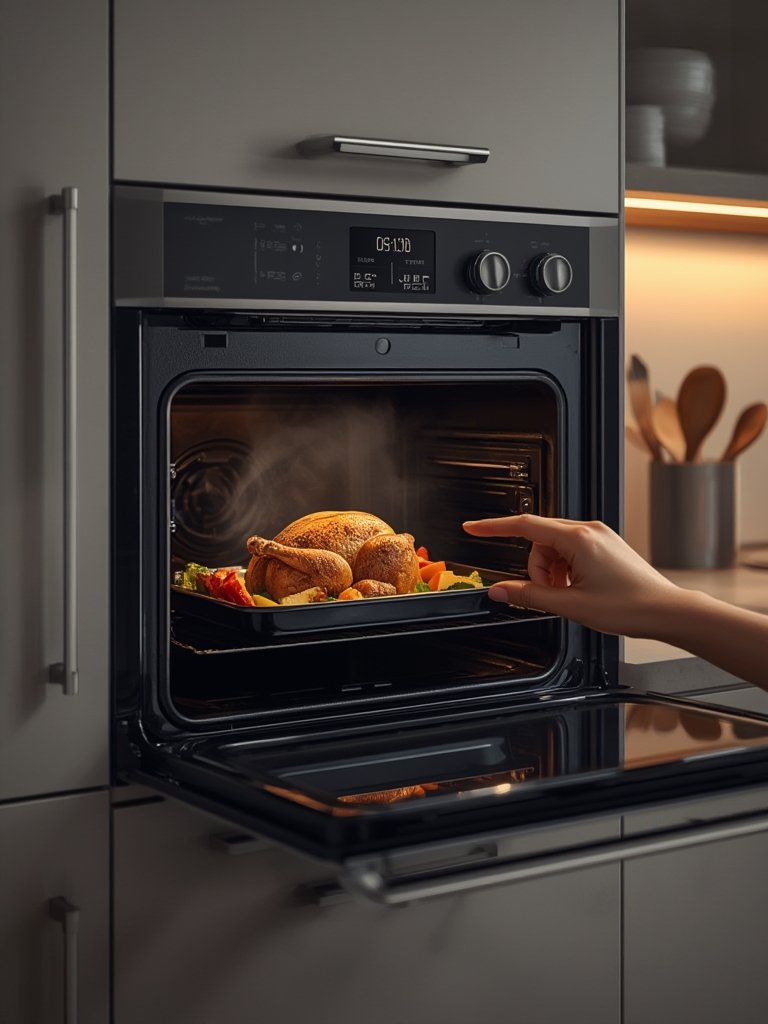
Update firmware regularly, clear camera lens monthly, and monitor for glitches. If your AI oven or smart oven with camera has adaptive learning, check for periodic database updates to keep food recognition relevant. Most AI oven models require occasional software resets to avoid performance bottlenecks—see your specific manual for best practices.
Advanced Analysis: Market Realities, Pitfalls, and Unanswered Questions
Growth Projections and Market Activity
The global AI oven market is projected at $2.5 billion by 2025, surging with 15 percent CAGR through 2033 (GM Insights). Integrated smart oven with camera models sell strongly in high-end and commercial segments, though explicit 2024-2026 sales breakdowns for camera-equipped variants remain missing. About 20 million AI oven units were sold globally in 2023 (Archive Market Research).
Unanswered Questions: Specifications Still Missing
- No leading manufacturer, including Miele SmartView ID oven or Brisk It Neoma AI countertop oven, publicly discloses camera resolution specs or food recognition accuracy rates.
- Price guidance for “best smart oven that adjusts temperature automatically” consists mainly of relative positioning: entry-level for basic features, premium for AI-rich, sensor-loaded models.
- Security certifications and privacy certifications for camera/video data are largely absent, despite high-tech hardware.
Common Pitfalls and Challenges
- Camera accuracy concerns: Early reports point to inconsistent food identification or misrecognition, but no large-scale consumer complaints have surfaced for AI ovens.
- Software glitches & updates: Like most smart appliances, AI ovens may need periodic firmware updates to resolve minor bugs.
- Price transparency: Detailed pricing is unavailable—buyers must compare features and ask for direct quotes or look at competing models side-by-side.
- Complex controls (especially commercial units): More advanced models may overwhelm users with too many programs or unclear instructions.
- Durability and maintenance: Sensors and cameras require regular cleaning; lens fogging or grease can degrade performance.
| Feature | Basic Smart Oven | AI Oven / Smart Oven with Camera |
|---|---|---|
| Food Recognition | No | Yes (AI-powered; details vary by model) |
| Automatic Temperature Adjustment | Limited (pre-set only) | Dynamic, based on sensors & AI |
| Cooking Programs | Standard presets | Adaptive & personalized, can learn over time |
| Camera Resolution Disclosed | Not applicable | Rarely (almost always undisclosed) |
| Privacy Certifications | Not publicized | Not publicized |
| Price Range (2024) | Entry to Mid | Mid to Premium |
For users upgrading their kitchen appliances, understanding induction compatibility is critical—don’t miss our guide to induction ready cookware set and symbols explained.
Conclusion: Should You Buy an AI Oven?
An AI oven is the most advanced, automated kitchen technology on the market. If hands-off, perfectly cooked meals and a smart oven with camera are your goals, these devices set a new standard in culinary convenience. However, lack of transparency around camera specs, food recognition accuracy, and privacy standards means careful buyer research is essential—especially if you want a future-ready AI cooking oven 2026 or the absolute best smart oven that adjusts temperature automatically.
Curious about how your existing cookware fits in? Explore our in-depth guide: affordable induction cookware for beginners. Ready to experience an AI oven? Check current models and compare features, then upgrade your kitchen with confidence.
FAQ: AI Ovens & Smart Ovens with Cameras
What makes an AI oven different from a regular smart oven?
AI ovens add real food recognition, personalized cooking profiles, and true automatic adjustments, often by using a built-in camera and advanced sensors. Standard smart ovens focus mainly on connectivity and pre-set programs.
Which models stand out for food recognition or built-in cameras?
The Miele SmartView ID oven and Brisk It Neoma AI countertop oven lead the market in camera features, but other brands like Bosch, LG, and June Oven also compete. However, specific food recognition metrics and camera resolution specs are not commonly disclosed.
Are there privacy or data security concerns with smart ovens with cameras?
No major privacy controversies have surfaced, but manufacturers don’t broadly advertise privacy certifications or security standards. If concerned, ask the company about data retention and software security before purchasing.
How does price compare between entry-level and premium AI ovens?
Entry-level AI ovens and smart ovens with camera features offer basic food programs and simple automation. Premium models include advanced AI, more robust cameras, and better software, often at a significantly higher price—but public retail prices are rarely disclosed upfront.
Do AI ovens integrate with induction cooktops or need special cookware?
AI ovens are generally standalone, but if you’re considering an induction cooktop for your kitchen as well, check out our advice on induction cookware symbols explained for compatibility before you invest.

[…] more smart kitchen tech, explore the latest AI oven innovations and next-gen appliances that work seamlessly with […]
[…] you want the ultimate luxury experience, a Miele built-in coffee machine countertop integrates seamlessly and keeps surfaces […]
[…] to upgrade your kitchen’s tech further? Explore AI oven innovations that automate temperature for perfect results every […]
[…] of the latest AI ovens sometimes note overlap with combi steam features, but true steam control for vegetables and fish […]
[…] like Miele and Anova are at the forefront. The new Miele steam combination oven 2026 and Anova Precision Oven steam models bring pro bakery techniques, smart sensors, and easy cleaning […]
[…] high-end appliances, like the Miele SmartView ID oven, bring similar viewing and recognition tech into smart ovens, helping manage both chilling and […]
[…] with the latest AI cooking oven 2026 or steam oven for healthy cooking trends, FoodView cameras represent the push towards data-driven […]
[…] of a tech-enabled upgrade? Some workstation models now sync with AI ovens and smart fridge cameras for next-level kitchen […]
[…] feature touch-free faucet options or built-in bottle rinsers, making them perfect partners for AI-powered ovens or smart fridge cameras that further streamline meal prep. Plan your kitchen zones so your prep […]
[…] other energy-efficient appliances and their maintenance profiles, see our AI oven guide where emerging smart kitchen trends overlap with reliability […]
[…] for other smart kitchen essentials? Consider upgrading your AI oven or adding a cookware set for […]