

Introduction
Under counter ice maker built-in appliances have become a must-have in modern kitchens. If you are planning a home bar, upgrading your kitchen island, or just tired of constantly running out of ice when entertaining, these compact machines offer seamless integration and reliable performance. In this guide, you’ll discover what matters most when it comes to choosing and installing a built-in undercounter ice machine for your home.
As an Amazon Associate, I earn from qualifying purchases.
Key Takeaways
- Residential demand for under counter ice maker built-in models is rising sharply, especially in kitchen islands and home bars.
- Smart features, energy efficiency, and ice quality differentiate today’s best models, but technical details and real-life downside info are often missing from top articles.
- Careful planning, realistic expectations, and factoring in installation/maintenance costs make or break the long-term value of your built-in undercounter ice machine.
- Introduction
- What Is an Under Counter Ice Maker Built-In and Why Choose One?
- How to Plan and Install a Built-In Undercounter Ice Machine (Step-by-Step)
- Advanced Analysis & Common Pitfalls
- Conclusion
- FAQ
What Is an Under Counter Ice Maker Built-In and Why Choose One?
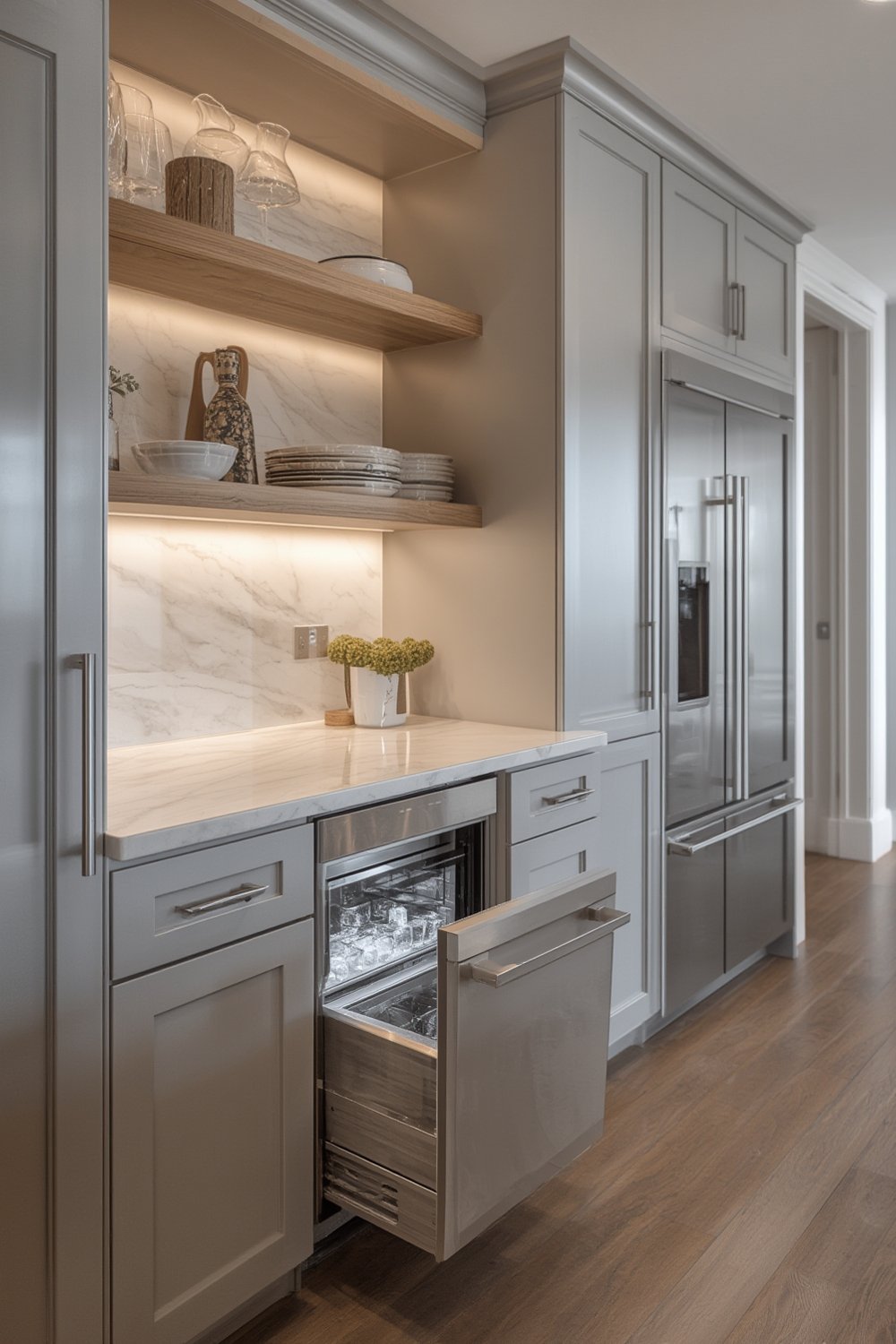
An under counter ice maker built-in is designed to fit seamlessly into your kitchen cabinetry, providing a dedicated and reliable source of ice without taking up countertop space. These appliances are favored in home bars, kitchen islands, and premium residential kitchens for their ability to churn out crystal clear, restaurant-quality ice on demand.
Unlike portable or countertop units, a built-in undercounter ice machine often connects directly to your water line, allowing for higher ice production, storage, and multiple ice formats such as clear cubes or even soft “nugget” ice loved for cocktails. The undercounter ice maker market is growing, with North America leading demand due to the ongoing trend of integrating smart, space-saving appliances into kitchen islands and home entertainment spaces.
Choosing a built-in nugget ice maker under cabinet or a residential under counter clear ice maker provides silent operation, better energy efficiency, and a more polished, uncluttered look—perfect for those embracing modern, functional, and social kitchen design.
How to Plan and Install a Built-In Undercounter Ice Machine (Step-by-Step)
Step 1: Define the Right Spot for Your Dedicated Ice Maker for Kitchen Island or Bar
Start with where you most often serve drinks or need extra ice. Kitchen islands are ideal, as are home bars and butler’s pantries. Make sure there is a nearby water line, accessible drain (if required), and a 110-120V electrical outlet. Space behind cabinet doors isn’t recommended unless the model is vented from the front.
Step 2: Select the Best Undercounter Ice Maker for Home Bar 2026
Not all models are created equal. Look for:
- Daily ice output (20–60 lbs is common for home units)
- Storage bin size and insulation
- Type of ice (clear cubes or nugget/sonic style for cocktails)
- Front-venting for true built-in installation
- Energy Star rating and water use efficiency
- Filter compatibility for better taste and fewer maintenance hassles
- Reliable warranty—aim for a minimum of 1 year, with 3-5 years on major components
At the time of writing, research reports highlight ongoing innovation, but concrete 2026 technical specs and best models have not been published. Always review manufacturer datasheets before committing. If you need gear that works seamlessly with an air fryer or invisible induction cooktop, consider the appliance’s finish and overall integration.
Step 3: Prepare for Installation & Utility Hook-Ups
Follow these actions for a typical residential install:
- Check local codes. Post-2024, expect stricter rules on appliances—Energy Star and eco-friendly refrigerants are now standard (source).
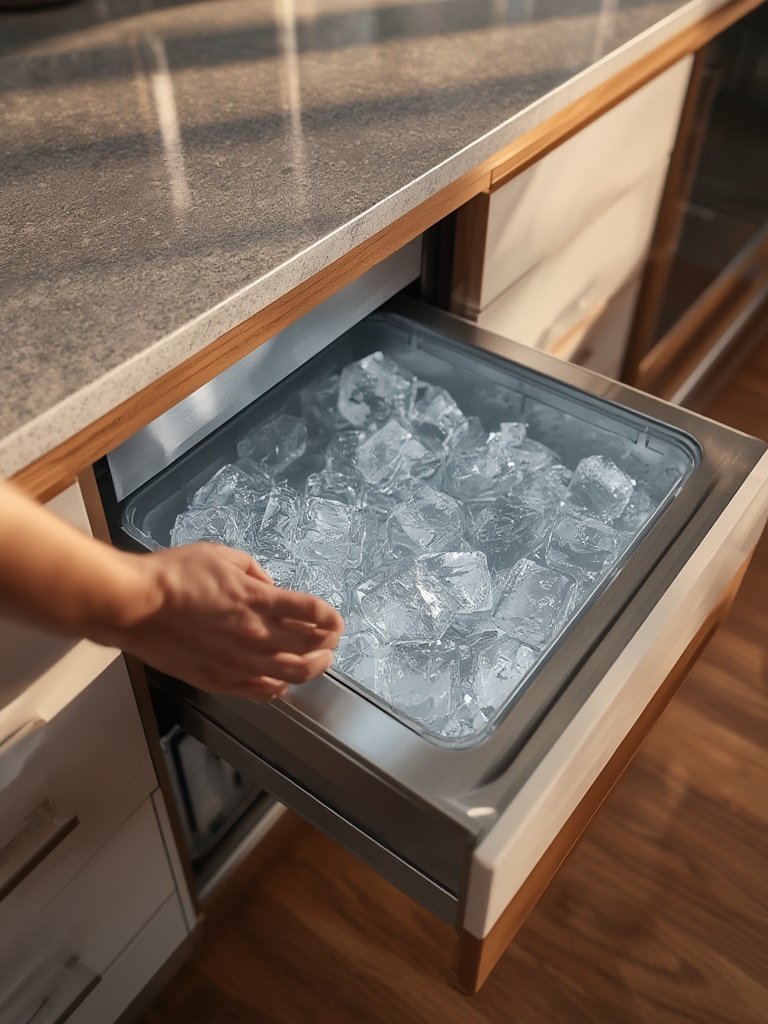
- Plan for water line and drainage. If installing in new cabinetry, run lines under flooring or behind cabinet boxes. Many air-cooled ice makers are designed for simple installs but always check for easy access to shutoff valves and drains.
- Power considerations. Most units require a grounded outlet within 6 feet. Do not share a circuit with high-draw appliances like microwaves or induction ranges.
- Level carefully. Use adjustable legs. Uneven installation leads to noise, vibration, and possible water leaks.
- Test before closing up cabinets. Run at least one cycle, check for leaks or electrical issues since it’s easier to correct before cabinetry goes back together.
Step 4: Set Up Filtration and Regular Maintenance
Residential under counter clear ice makers last longer with regular descaling and filter changes. Schedule a monthly wipe-down of the bin and an annual deep-clean using a manufacturer-approved solution. For nugget units, regular filter changes are a must—soft “Sonic” ice clogs quickly with hard water buildup.
For more kitchen planning tips, also see our guides on cookware for induction and hidden cooktops.
Advanced Analysis & Common Pitfalls
Built-In Undercounter Ice Machine: What Most Guides Don’t Tell You
Top-ranking content rarely mentions the practical downsides and unresolved issues that come with buying a built-in undercounter ice maker. Here are some honest insights based on market data and genuine home installer experiences:
Comparison: Undercounter Ice Maker vs Countertop
| Aspect | Undercounter | Countertop |
|---|---|---|
| Production Capacity | High, suitable for parties and daily use (source) | Generally lower, often for occasional or portable use |
| Noise Level | New models trend quieter, but can still be audible at night | Not well documented, but some reports of louder fans/pumps |
| Ice Quality | Clear ice and sonic/nugget options, generally higher quality | More basic shapes, sometimes cloudy or inconsistent |
| Durability | Meant for long-term installation and use, with better components | Portable builds often less durable, especially over many years |
| Long-Term Value | Smart and energy-efficient features support investment over time | Lower upfront cost, but may need replacement sooner |
Typical Pitfalls and User Complaints
- Installation surprises: Many find that actual install costs and time exceed expectations, especially if new plumbing or electrical work is needed. Retrofitting an old kitchen is usually trickier than including one in a new island build.
- Noise and vibration: Despite recent improvements, some users are surprised by operational noise, especially at night or in open-concept kitchens.
- Drainage and humidity: Units that require a gravity drain can sweat or leak if not properly tilted and air-gapped. Floor damage from minor leaks is possible.
- Unknown utility costs: Data on 2026 electricity or water usage is limited, but older or “off-brand” models typically draw more power and have poorer insulation—expect a small but real monthly bump on your utility bill.
- Maintenance regret: Annual deep cleaning is not optional. Ignoring it can lead to slime buildup, odors, or expensive repairs that void warranty.
For more real-world appliance reviews, see our air fryer guide and smokeless indoor grill comparison.
Conclusion
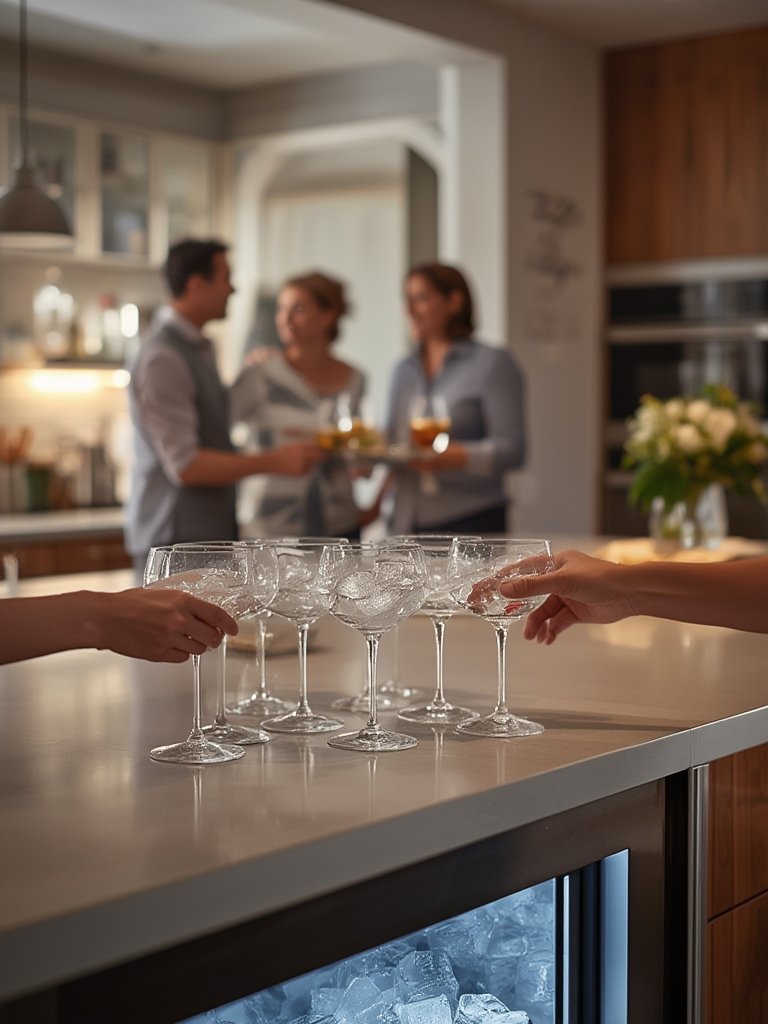
Adding an under counter ice maker built-in is a practical upgrade for any modern kitchen, bar, or entertainment space. While the benefits of higher ice output, sleek looks, and hands-off convenience are clear, success depends on careful planning, proper installation, and realistic expectations for costs and upkeep. If you’re serious about year-round hospitality and seamless kitchen design, make this investment wisely, and always compare adjacent built-in appliances to ensure style and utility harmony. Ready to elevate your kitchen? Take the next step and explore the best undercounter ice maker for your home bar or kitchen island in 2026.
FAQ
What is the difference between an undercounter ice maker vs countertop ice maker?
Undercounter units are designed for built-in, permanent installation within cabinets or kitchen islands. They offer higher daily ice production, better ice quality, lower noise levels, and more durability. Countertop ice makers are plug-and-play, portable, and generally produce less ice. They’re great for renters or occasional use but not for continuous entertaining.
Is a built-in undercounter ice machine difficult to install in an existing kitchen?
Installing a built-in undercounter ice maker in an older kitchen may require additional plumbing, electrical work, or cabinetry modifications. Retrofitting is possible, but a professional is recommended for best results. Air-cooled models tend to be easiest to install due to simpler venting and lower upfront costs.
How do I maintain a residential under counter clear ice maker?
Perform monthly cleaning of the ice bin and replace water filters as recommended. Deep-clean the unit yearly with descaling solution, and always follow the manufacturer’s instructions to prevent mold, scaling, or blockages.
What is the best undercounter ice maker for home bar 2026?
Specific brands and models for 2026 are not yet named in research reports. Look for Energy Star-rated, front-venting models with low noise and clear or nugget ice options. Check recent reviews and compare features and warranties before buying.
Can I get a built-in nugget ice maker under cabinet in a small kitchen?
Yes, many nugget ice makers are compact (15-18 inches wide) and front-vented for under-cabinet or island use. Confirm your cabinet dimensions, ventilation, and access to water/utility hookups before purchasing to avoid installation challenges.

[…] integrating your fridge camera data with other smart appliances, like the AI cooking oven or an under-counter ice maker for food and drink […]