

Coffee station kitchen setups are quickly becoming a must-have for coffee lovers who want café-level experiences at home. Whether you’re working with a spacious layout or searching for dedicated coffee corner small kitchen solutions, creating a home coffee bar setup adds both flavor and function to your kitchen. In this actionable guide, you’ll get modern design inspiration, step-by-step advice, and insight on pitfalls to avoid. Let’s get brewing.
As an Amazon Associate, I earn from qualifying purchases.
Key Takeaways
- The coffee station kitchen trend is growing, led by demand for at-home barista experiences and smart, stylish appliances.
- Designing a home coffee bar setup requires smart space planning, essential tools, and real consideration of daily workflow.
- Watch out for common mistakes like lack of outlets, poor layout, and cluttered surfaces—especially in small or retrofit spaces.
- Understanding the Coffee Station Kitchen: What and Why
- Step-by-Step Guide: Building Your Home Coffee Bar Setup
- Advanced Analysis & Common Pitfalls
- Conclusion: Designing Your Coffee Station Kitchen
- FAQ: Coffee Station Kitchen & Coffee Nook Design Tips
Understanding the Coffee Station Kitchen: What and Why
The coffee station kitchen is a dedicated area—large or small—equipped for preparing coffee and espresso drinks to rival your favorite café. Interest in built-in coffee station kitchen ideas and personalized home barista setups is rising, with the global coffee devices market hitting USD 12.1 billion by 2025 and growing at 5.6% CAGR. Recent years show a clear shift in consumer preferences toward convenience, premium taste, and smart kitchen technology that saves time. For many, a kitchen coffee nook design 2026 must be both stylish and practical—especially when integrating high-end gear like a Miele built-in coffee machine countertop or creating a dedicated coffee corner in a small kitchen.
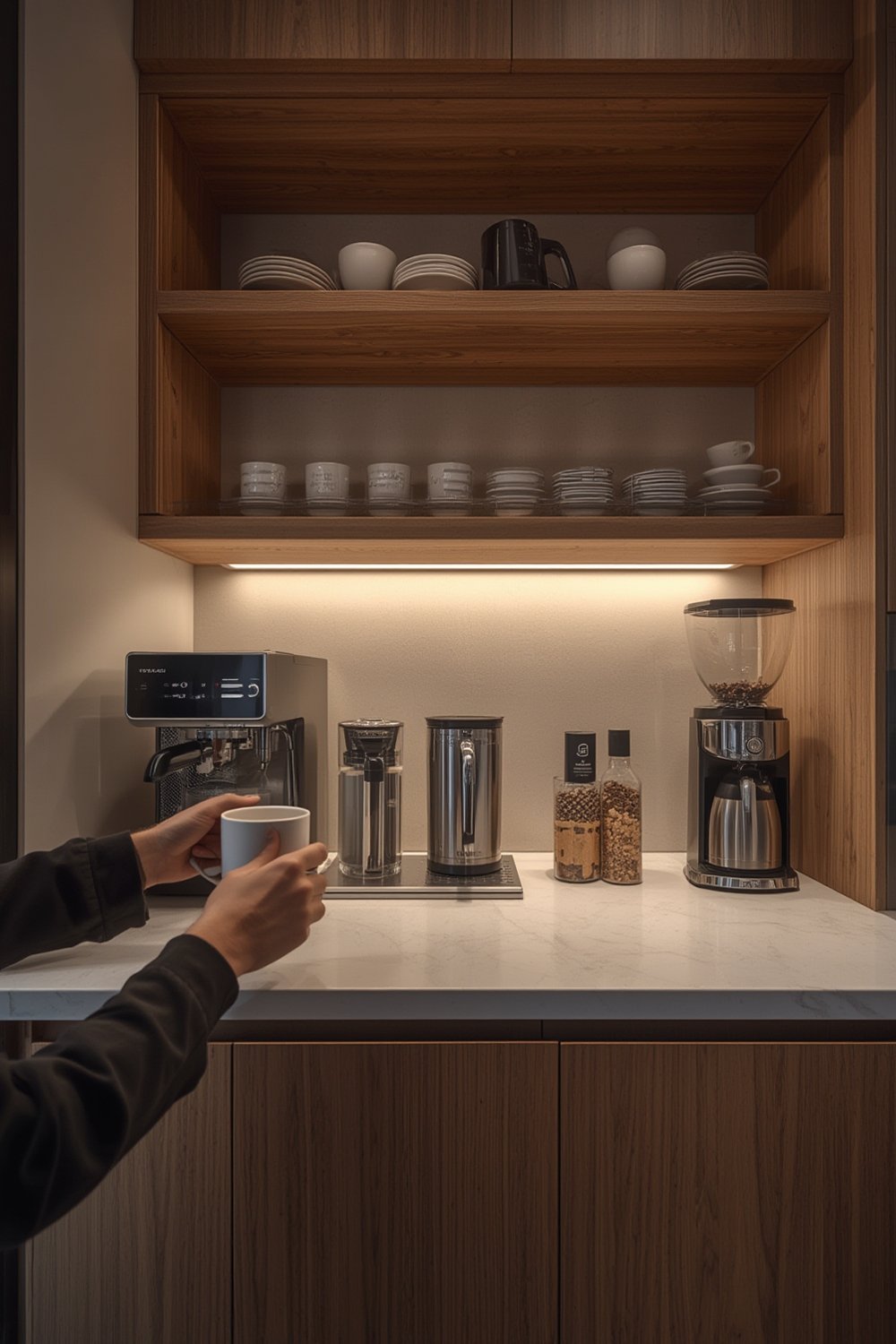
Step-by-Step Guide: Building Your Home Coffee Bar Setup
1. Assess Your Space and Workflow
Start by defining where your coffee station kitchen will go. In a spacious kitchen, you might dedicate an entire countertop or build cabinetry. In a small kitchen, look for unused corners, pantry shelves, or even a rolling cart.
2. Choose Must-Have Barista Equipment
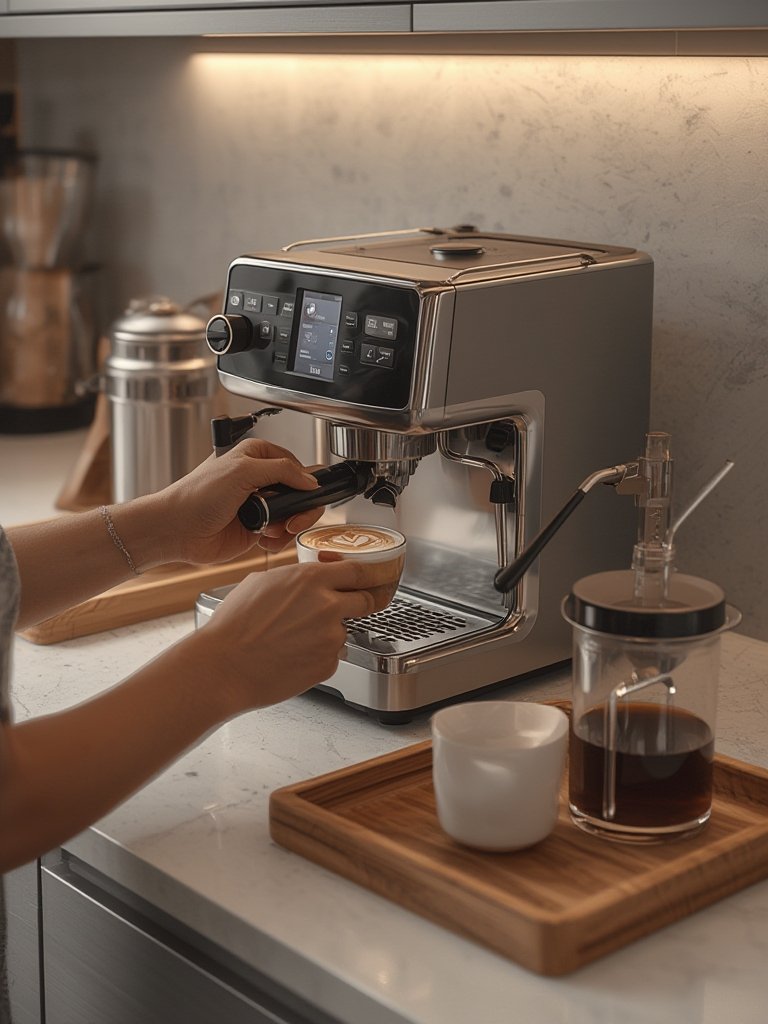
According to industry research, espresso machines lead the pack for home coffee bar setups, with capsule systems like Nescafé Dolce Gusto and pour-over makers also trending. For a functional home barista station, consider:
- Espresso machine or high-quality drip/pour-over maker
- Burr grinder for fresh beans
- Milk frother or steam wand
- Water filter or dispenser
- Digital scale and timer
- Tamper, knock box, and cleaning kit
- Stylish mugs, spoons, and airtight coffee canisters
If you want the ultimate luxury experience, a Miele built-in coffee machine countertop integrates seamlessly and keeps surfaces clutter-free.
3. Optimize Layout and Storage
Think about how you’ll move as you brew. Store beans, filters, and add-ins in reach, but hide rarely-used items in drawers or cabinets. Add hooks, magnetic strips, or bins for tools. This maximizes efficiency and keeps your coffee station kitchen from feeling chaotic. For the latest on countertop tech, check out invisible induction cooktop options that complement a clutter-free look.
4. Add Stylish Finishing Touches
Polish your space with personalized signs, artwork, LED strip lighting, or a chalkboard for your daily blend. A well-designed coffee nook adds a memorable touch—and makes your morning routine feel special.
5. Maintenance and Cleanliness
A clean setup lasts longer. Designate a spot for used grounds, keep towels handy, and schedule monthly deep-cleans. Maintenance brings both better taste and longer appliance life.
Related Reading:
- Best Cookware for Induction Hob 2026: Complete Guide
- Choosing the Best Dual Basket Air Fryer for Your Kitchen
Advanced Analysis & Common Pitfalls
Homeowners crave café quality at home, but common pitfalls can sabotage even the best-intentioned home barista station essentials. While data on challenges is limited, here are key issues to anticipate during your built-in coffee station kitchen installation or DIY setup:
| Pitfall | Description / Solution |
|---|---|
| Poor Access to Outlets | Coffee makers, grinders, and smart units require power. Plan for GFCI outlets and avoid overloading circuits. |
| Cluttered Small Spaces | Dedicated coffee corner small kitchen setups often get messy. Use vertical shelves, drawer organizers, and slimline appliances. |
| Moisture Damage | Steam and spills can warp wooden cabinetry. Use a stone, tile, or easy-wipe surface for built-in coffee station kitchen ideas. |
| Noise Concerns | Some grinders and machines are loud. Choose models with quiet technology and consider acoustic panels if needed. |
| Underestimating Costs | Premium equipment like a Miele built-in coffee machine countertop can be expensive. Include installation, plumbing, and electrical costs in your budget. |
Before choosing your appliances, compare the long-term energy and supply needs. Single-cup or capsule machines are convenient but can get pricey over time compared to ground coffee or whole bean setups, as shown in reports by Data Insights Market. Don’t forget to pair your smart kitchen with the right cookware. See our induction cookware guide for compatibility tips if you plan to heat water on an induction cooktop.
Conclusion: Designing Your Coffee Station Kitchen
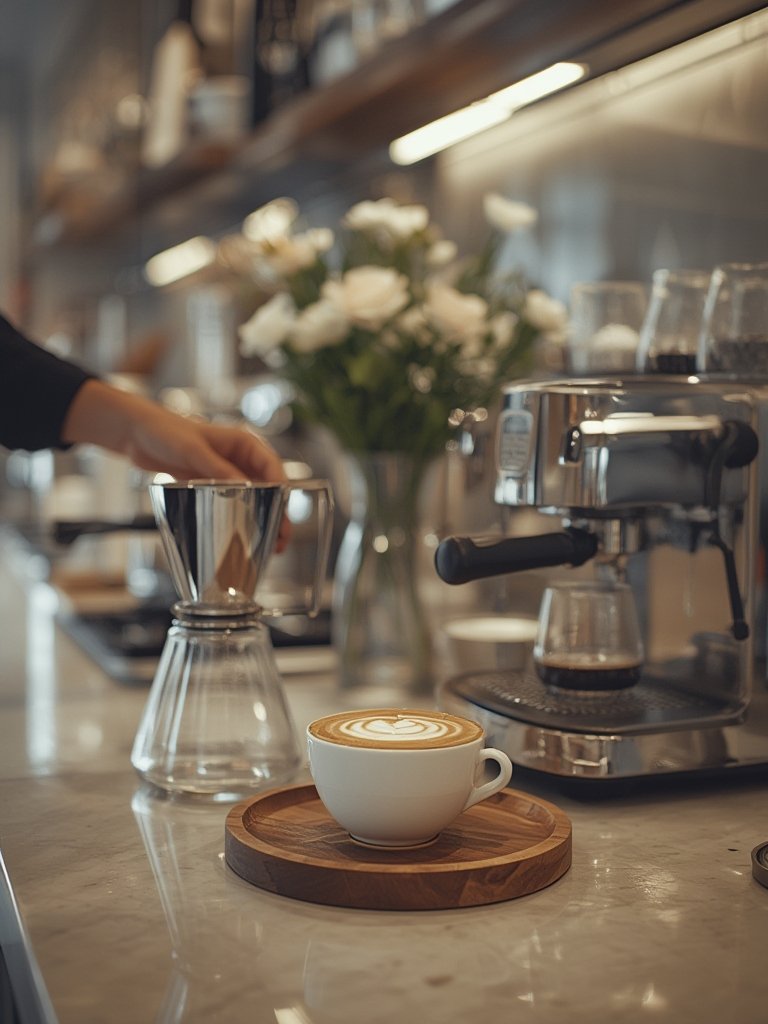
Investing in a coffee station kitchen lets you achieve your ideal home coffee bar setup—personalized, stylish, and efficient. Start by picking the right spot, invest in quality tools, design for workflow, and avoid common headaches like bad outlets or cramped layouts. Whether you dream of a sleek Miele built-in coffee machine countertop or a dedicated coffee corner small kitchen, the possibilities are endless. Upgrade your mornings and start building your own barista experience today.
Ready to try these home barista station essentials? Explore more kitchen technology solutions in our guide to the latest AI ovens and invisible induction cooktops and elevate your daily routine.
FAQ: Coffee Station Kitchen & Coffee Nook Design Tips
What’s the best location for a coffee station kitchen in a small apartment?
Look for underused kitchen corners, a free section of countertop, or a pantry shelf. Even a rolling cart can become a dedicated coffee corner in a small kitchen as long as you have nearby power and space for storage.
What features should I include in a modern kitchen coffee nook design for 2026?
Future-proof your coffee nook with vertical shelving, built-in lighting, easy-clean counters, and integration with smart kitchen tech. Modular solutions and compact machines are key for flexibility.
Are built-in coffee station kitchen ideas worth the investment?
Built-in options offer seamless style and higher resale value, especially with luxury brands like Miele. Installation is complex and can be costly but results in a premium, uncluttered look.
What are the true home barista station essentials?
Espresso machine or pour-over maker, grinder, milk frother, scale, quality beans, and good storage. Extras like a knock box or water filtration improve results and daily workflow.
How much does it cost to set up a premium coffee station kitchen?
Expect to invest anywhere from $300 for compact setups to $4,000+ for built-in premium options, depending on appliances, countertop work, and custom cabinetry.

[…] models fit a standard 24-inch wall oven niche and can be stacked with other appliances, such as a built-in coffee machine. Factor in plumbing for a water line and professional electrical hookup if going with a […]
[…] more on equipping your kitchen with technology that matches your drinks ritual, check out our coffee station kitchen guide—where we compare built-in setups for both casual sippers and home […]
[…] light weight easy to store and maneuver—even if your cabinets compete for space with an espresso machine or air […]
[…] Pro Tip: If your cabinet has a face frame (the lip around the opening), measure clearance carefully and use riser brackets. Many first-timers forget this, leading to drawers that won’t fully extend! Hacks & Tricks: Repurpose a shallow pull-out tray as a coffee station organizer. Place mugs, pods, and a small kettle together for a streamlined morning ritual. See more in our Coffee Station Kitchen Setup Guide. […]