

Introduction
Cookware for induction is becoming essential in today’s kitchens as more homes adopt induction cooktops for their energy efficiency, speed, and smart technology features. But finding the right induction compatible pots and pans can be confusing due to countless options, technical requirements, and marketing jargon.
As an Amazon Associate, I earn from qualifying purchases.
Key Takeaways
- Cookware for induction cooking must have a magnetic base for proper heat transfer and performance.
- Stainless steel, cast iron, and new ceramic-coated sets are popular choices, with multi-clad and hybrid materials leading trends through 2026.
- Success with induction cooktops depends on checking for compatibility symbols, understanding common pitfalls, and selecting the best set for your needs and budget.
- Introduction
- What Is Cookware for Induction and Why Does It Matter?
- Step-by-Step Guide: How to Choose Induction Compatible Pots and Pans
- Advanced Analysis & Common Pitfalls
- Conclusion
- FAQ
What Is Cookware for Induction and Why Does It Matter?
Not all pots and pans are suitable for induction cooktops. To work properly, cookware for induction must have a base that is magnetic, so the induction hob’s magnetic field can generate heat directly in the cookware. This results in fast, even heating, increased safety, and less wasted energy compared to gas or traditional electric ranges.
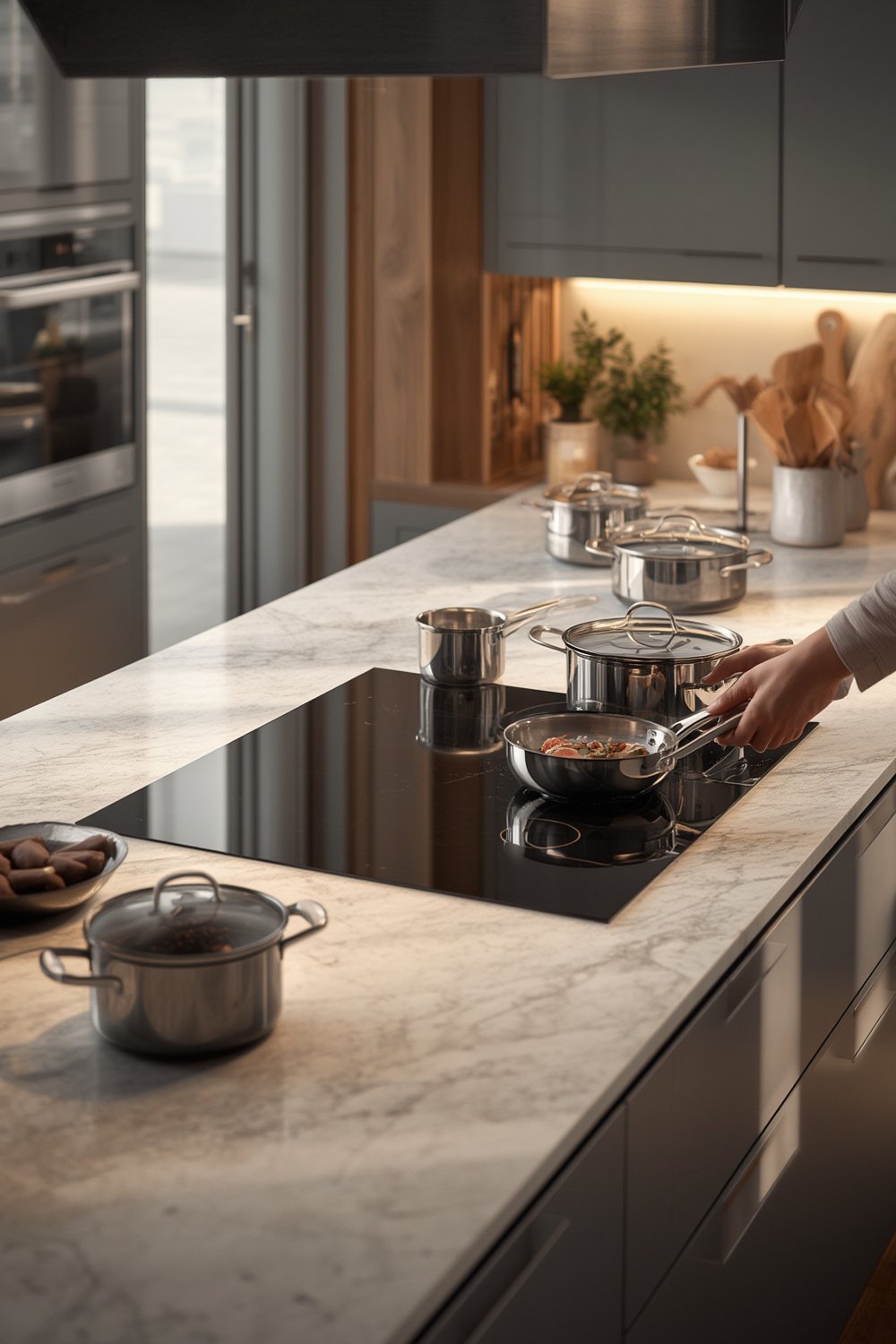
Materials that work best include:
- Stainless steel with a magnetic base or core, often featuring multi-layer construction for even heat.
- Cast iron, including both seasoned and enameled cast iron, which is naturally induction ready.
- Carbon steel if sufficiently thick and magnetic.
- Ceramic-coated pans and hybrid sets with magnetic layers, now trending for their healthy and eco-friendly features.
This matters because if you use non-induction-ready cookware, your hob simply won’t heat up. Worse, some pans can cause error codes or uneven cooking.
As reported in the Induction Cookware Market and User Guide, the global market for induction compatible cookware is growing rapidly. Driven by consumer demand for energy efficiency and smart features, this growth is projected to reach USD 3.8 Billion by 2030 at a 6.4% compound annual growth rate [source].
Selecting the best cookware for induction hob 2026 also matters for health reasons, as modern induction cooking often reduces the need for excess fat and oil usage.
For more on trends and innovations, see our guide to smart kitchen technology essentials, or our primer on non-toxic cookware for healthy kitchens.
Step-by-Step Guide: How to Choose Induction Compatible Pots and Pans
Follow these steps to quickly identify the right induction cookware for your kitchen:
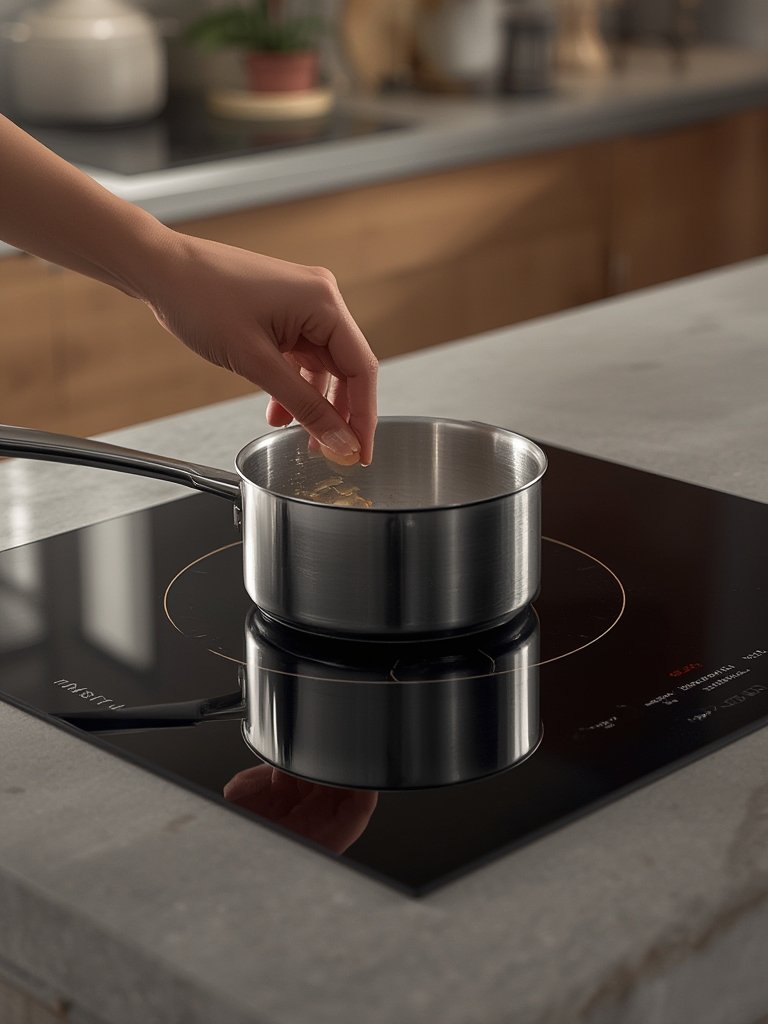
- Test your current pots and pans for induction compatibility. Place a kitchen magnet on the bottom of your cookware—if it sticks firmly, it’s likely suitable.
- Look for induction cookware symbols explained on the base or packaging. Most induction ready cookware sets have a coil symbol, or say “induction” or “IH” compatibility. Still unsure? Find symbol guides online or consult manufacturer websites.
- Choose material wisely. Stainless steel and cast iron on induction cooktop are proven choices. For nonstick convenience, ceramic-coated, hybrid, or multi-clad options are excellent. See our trusted nonstick cookware picks for induction.
- Check base thickness and build quality. For even heating, look for a thick, flat bottom. Cheap, thin pans may warp or cook unevenly.
- Set your budget and read reviews. For affordable induction cookware for beginners, read user feedback and warranty details. Premium sets often feature advanced materials and smart kitchen integration.
- Think about your cooking needs. Do you need a full induction cookware set, or just a couple of daily-use pans? Multifunctional starter sets save money and space for new users.
For more tips, see our related guides: cookware set reviews for every budget and beginner’s kitchen appliance buying guide.
Advanced Analysis & Common Pitfalls
Most buyers focus on price or looks, but there are technical details and user frustrations to consider:
- Compatibility Mistakes: Non-magnetic stainless pans, copper, glass, or pure aluminum pans will not heat reliably. Magnet test first.
- Uneven heating: Cheap sets with thin, warped, or poorly-finished bases can overheat or cause cold spots. Opt for multi-clad or reinforced bases for best results.
- Overlooking induction cookware symbols: Not all induction compatible pots and pans have clear labeling, especially with affordable induction cookware for beginners or imported brands.
- Surface Scratching: Cast iron on induction cooktop can scratch delicate glass surfaces if not handled carefully. Use pans with smooth, enameled bases or add a silicone mat.
- Noisy operation: Some users report buzzing or humming, especially at high power, with certain cookware—this is often due to uneven base thickness or warped pans.
- High Cost of Premium Sets: The best cookware for induction hob 2026, featuring smart sensors or multi-layer hybrid construction, can be priced at a premium. Choose wisely based on your needs.
Below is a quick comparison of common induction cookware materials for 2026:
| Material | Induction Compatible? | Pros | Cons |
|---|---|---|---|
| Stainless Steel (Magnetic) | Yes | Durable, even heating, easy cleanup | Some models prone to warping or food sticking |
| Cast Iron | Yes | Excellent retention, naturally induction ready | Heavy, can scratch glass hob, prone to rust |
| Ceramic-Coated (with magnetic base) | Yes | Nonstick, eco-friendly, low-fat cooking | Shorter lifespan, varies by brand |
| Aluminum Only | No | Fast heat, lightweight | Not compatible unless has magnetic layer/base |
| Copper Only | No | Precision heat control | Not compatible unless has induction base |
For a more detailed breakdown, see our cookware material guide and reviews of best induction ready cookware set options.
Conclusion
Choosing the right cookware for induction comes down to understanding compatibility, quality construction, and your cooking preferences. Whether you’re seeking induction compatible pots and pans for a high-end smart kitchen or affordable induction cookware for beginners, always check for induction symbols and test before buying. Explore our detailed guides and compare sets tailored to your needs, then enjoy faster, safer, and cleaner induction cooking. Ready to upgrade? Start with our top induction cookware starter kits today.
FAQ
How do I know if my cookware is induction compatible?
Use a fridge magnet. If it sticks firmly to the base, your pan or pot is usually induction ready. You can also look for an induction symbol (coil or zigzag) stamped on the base or box.
Can I use cast iron on induction cooktop surfaces?
Yes, cast iron works great with induction. However, it is heavy and can scratch glass surfaces if dragged. Lift rather than slide, or use enameled cast iron for smoother contact.
What are the best cookware materials for induction hob 2026?
Magnetic stainless steel and cast iron are most reliable. Modern ceramic-coated and multi-clad hybrid pots and pans with magnetic bases are becoming more popular and add nonstick convenience.
Are there affordable induction cookware sets for beginners?
Yes. Many trusted brands offer budget-friendly starter sets that include a basic saucepan, skillet, and stockpot. Always check for the induction symbol and read user reviews for warranty details and actual performance.
What does the induction cookware symbol look like?
It’s typically a series of loops or a coil, sometimes with the word “Induction” or “IH” (Induction Heating). It is stamped on the pan base or as a sticker on packaging.

[…] hype around the best smart oven that adjusts temperature automatically has grown sharply, with the global smart ovens market projected to reach up to USD 918 million by […]
[…] like how induction cookware became essential as home cooks upgraded, multi-drawer air fryers meet the modern demand for […]
[…] Compared to visible induction appliances, expect sleeker integration, a truly modern look, and the ability to “hide” your cooking surface completely. Yet, the lack of visible cues means using only pots and pans that work with induction. For tips on selecting compatible cookware for induction hobs, see the cookware-for-induction guide. […]
[…] you want to futureproof your kitchen, see our primer on induction ready cookware—another major shift in sustainable kitchen […]
[…] Combi steam ovens combine precise steam and dry heat, making them extremely versatile for home kitchens. Premium models like the Miele steam combination oven 2026 and Anova Precision Oven steam offer programmable humidity and temperature modes for targeted nutrient retention, low-oil cooking, and even reheating leftovers without drying them out. If nutrition (like vitamin C in peppers or polyphenols in broccoli), flavor, and modern kitchen convenience matter, adding a steam oven for healthy cooking is worth exploring. For more on how these appliances compare to induction cooking, see cookware for induction. […]
[…] more kitchen planning tips, also see our guides on cookware for induction and hidden […]
[…] for affordable, compatible cookware for your new grill or induction hob? Don’t miss our cookware for induction […]
[…] If you are new to kitchen tech, check your cookware compatibility for induction appliances using this beginner’s guide to induction cookware. […]
[…] your fridge to your broader smart kitchen can complement other next-gen appliances like the best cookware for induction hob 2026 or an undercounter ice maker if you love […]
[…] With Proper Cookware Only pans with ferrous (magnetic) bases, such as most induction ready cookware sets, will work. Cast iron on induction cooktop is excellent, but not all stainless steel pans are […]
[…] Check Only use Cookware Check pots and pans with magnetic, flat bases—see our best cookware for induction hob 2026 […]
[…] Looking for other smart kitchen essentials? Consider upgrading your AI oven or adding a cookware set for induction. […]
[…] Need to know if your induction-ready cookware is compatible too? Understand which pots and pans work best with advanced cookers. […]
[…] foods (sauces, eggs, veggies). Apartment dwellers with induction cooktops or those upgrading to induction ready cookware may also benefit, though not all ceramics are […]
[…] Warranty claims often disappoint. If you need guaranteed long-term nonstick, explore hard-anodized or Teflon/PTFE alternatives or see our induction cookware guide. […]
[…] For induction cooktops, double-check pan compatibility—full details can be found in our induction cookware guide. […]
[…] more on how different kitchen tools fit in cabinet pull-outs, see our guides on best cookware for induction stoves or dual basket air fryer storage […]