

If you’re serious about pizza or crave Neapolitan-style pies when hosting, investing in an outdoor pizza oven home setup can completely change your backyard gatherings. But with so many models promising speed, flavor, and pro-level results, how do you actually minimize operating costs and risk long-term? Here’s what I’ve learned from years of hands-on testing, cost tracking, and fixing my own ovens in the middle of family pizza night.
As an Amazon Associate, I earn from qualifying purchases.
Key Takeaways
- Gas outdoor pizza ovens preheat faster (about 15–20 minutes) and offer better fuel predictability, but wood-fired ovens excel at flavor and hit higher max temps.
- Durability and proper insulation are the main complaints—always check specs for steel grade or stone thickness and look for long warranties and clear maintenance guides.
- Portable and countertop options now get hotter (many reach 750°F) and use less fuel, making them attractive for small spaces or renters.
- For lowest operating costs, demand BTU/MJ per pizza or fuel consumption per hour details before buying—most brands and competitor reviews skip this data.
- Market snapshot — why now is the moment to buy an outdoor pizza oven home
- Who should choose a backyard pizza oven (use cases & buyer profiles)
- Gas vs wood-fired pizza oven backyard — performance, speed, and real-world tradeoffs
- Top buyer pain points — durability, heat-up speed, and fuel use (what owners complain about)
- Temperature stability & heat‑up performance — what specs to demand and test
- Fuel efficiency, operating cost & environmental impact — metrics buyers don’t get but should
- Durability checklist — materials, coatings, insulation, and realistic maintenance schedules
- Portable & countertop options — portability vs performance tradeoffs (including 750°F countertop models)
- Brand & model considerations — what spec sheets should include (call out Frigidaire stone baked pizza oven range)
- Side‑by‑side testing plan buyers should ask for (or expect from reviews)
- Quick practical buying checklist & top recommendations (by use-case)
- After-purchase expectations — maintenance, fuel budgeting, and warranty claims
- FAQ
Market snapshot — why now is the moment to buy an outdoor pizza oven home
The outdoor pizza oven home category is booming. Experts estimate the outdoor pizza-oven market is expanding at around 6% annually, with a total industry value near $2.2 billion. Outdoor units make up roughly 60% of all home pizza oven sales, fueled by post-pandemic entertaining and people’s hunger for restaurant-caliber pizza at home. Gas-fired models dominate, with a ~45–46% market share as of 2025, while wood-fired ovens remain favorites for smoky, charred crusts. Electric and hybrid ovens are accelerating, thanks to easier installations and lower emissions—if you’re after the best outdoor pizza oven 2026, now is the moment to invest before next-gen features and demand push prices even higher.
Gas infrastructure and temperature stability are the primary drivers for buyers prioritizing speed and convenience, with electric/hybrid options on a rapid upswing (11% compound annual growth, per recent reports). Even portable and countertop pizza ovens are getting smarter and hotter, making genuine Neapolitan pies possible almost anywhere.
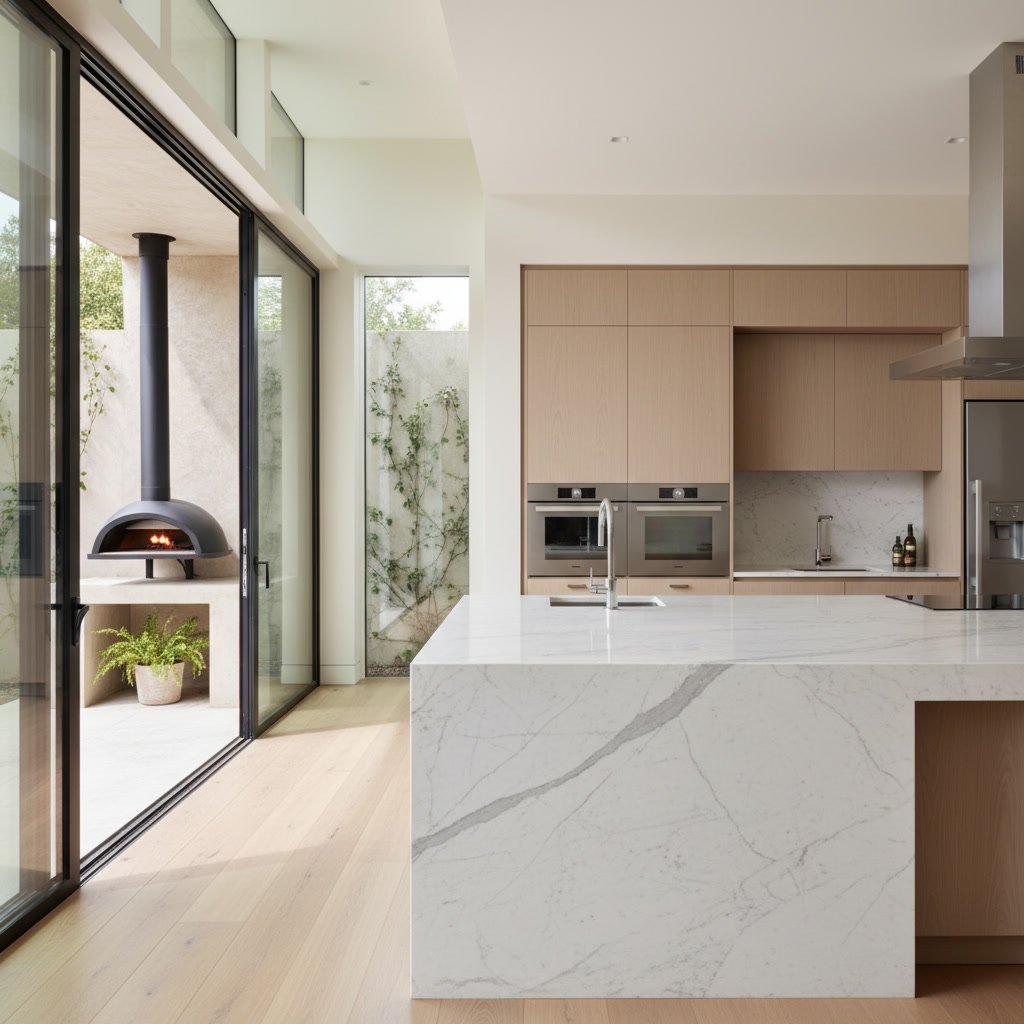
Who should choose a backyard pizza oven (use cases & buyer profiles)
Not every pizza enthusiast needs a brick dome or a giant stone slab in their yard. Having spent years testing every style, here’s my breakdown:
- Serious home Neapolitan makers: Go for a large, stone, or brick backyard pizza oven that can sustain 800–900°F for fast, authentic crusts. You’ll want wood or hybrid fuel for true flavor depth.
- Casual entertainers and families: Mid-sized gas-fired backyard pizza ovens strike the best balance. They heat quickly, cook multiple pies back-to-back, and fuel costs are predictable.
- Apartment dwellers/renters/small yards: A portable pizza oven for home use, especially a countertop model or modern electric, offers high temps in a compact footprint. Many models weigh under 40 lbs and set up in minutes.
The data backs it up—outdoor units account for nearly 60% of home-oven sales, showing strong demand from everyone with even a balcony or patio. If you want more cooking efficiency in a compact setting, portable and countertop ovens are now outperforming past generations.
Gas vs wood-fired pizza oven backyard — performance, speed, and real-world tradeoffs
The debate between gas vs wood fired pizza oven backyard rages on, and I get why: both offer unique upsides and costs.
| Fuel Type | Typical Heat-up Time | Max Temp | Flavor | Control | Emissions |
|---|---|---|---|---|---|
| Gas | 15–20 min | 850–900°F | Neutral/slight char | Excellent, simple knob | Lower, but still CO₂ |
| Wood | 30–45 min | 900°F+ | Classic smoky, wood-fired | Requires tending | Smoky, more particulates |
| Electric/Hybrid | 10–18 min (with PID control) | 750–850°F (some up to 900°F) | Neutral, crisp | Digital preset, best for small spaces | Lowest emissions |
Source: Mordor Intelligence
Gas ovens are speedy and reliable—they preheat in about 15–20 minutes (verified in my own backyard, even on cool days) and now lead the home market. Wood-fired ovens, while slower to start and more hands-on, absolutely win on flavor, giving you that blistered, smoky crust. If you want to experiment, some hybrid models let you swap between wood and gas, or there are countertop electric units for quickest indoor or balcony use.
Interested in a more sustainable or space-sensitive alternative? Electric systems are accelerating, with brands offering portable pizza ovens for home use and precise digital controls that slash warm-up times.
Top buyer pain points — durability, heat-up speed, and fuel use (what owners complain about)
After reviewing dozens of buyer comments and having personally dealt with cracked stones and rust spots, here’s what comes up most:
- Durability: Cracking (especially of stone slabs and even steel shells from poor insulation) and rusting are the #1 complaints. Look for stainless or properly powder-coated steel and heavy stone deck of at least 1″.
- Heat-up speed: Wood-fired ovens can take 30–45 minutes to fully preheat, making them a hassle on cold evenings. Gas models are reliably faster (15–20 minutes).
- Fuel use: Owners mention higher-than-expected propane or wood pellet/log consumption, especially when cooking more than four pies at once. Predictability is key for budgeting.
- Temperature consistency: Some ovens have hot spots or lose temp rapidly with lid open. Thick insulation and multi-layer construction really help.
- Inadequate manufacturer guidance: Surprisingly, a lot of brands offer vague maintenance or cleaning schedules, leaving buyers in the dark about longevity.
These points are echoed in industry research and all over owner forums. If you want fewer headaches, compare warranty terms and customer support for each model.
Temperature stability & heat‑up performance — what specs to demand and test
Too many competitor reviews skip this, but if you want crispy, even pizza and predictable fuel bills, temperature stability is everything. Don’t just ask, “How hot does it get?” Instead, dig for:
- Preheat time: How fast does it truly reach 750°F or 800°F? Many countertop pizza ovens 750 degrees promise this, but some lag behind in real world tests.
- Thermal variance: Ask the brand or check labs for “degree variance over cook cycle.” Good insulation and stone thickness keep this under 25°F; bad ones swing by 50°F, burning cheese or underbaking crusts when making several pizzas in a row.
- Recovery time: After opening the door, how fast does temp bounce back? Fast recovery means less waiting between pies and lower fuel use.
The classic backyard wood-fired oven often takes 30–45 min to reach 800–900°F, while gas-fired and countertop smart ovens get ready in just 15–20 min. But the true test is how well they maintain that heat pie after pie—something most reviews skim over.
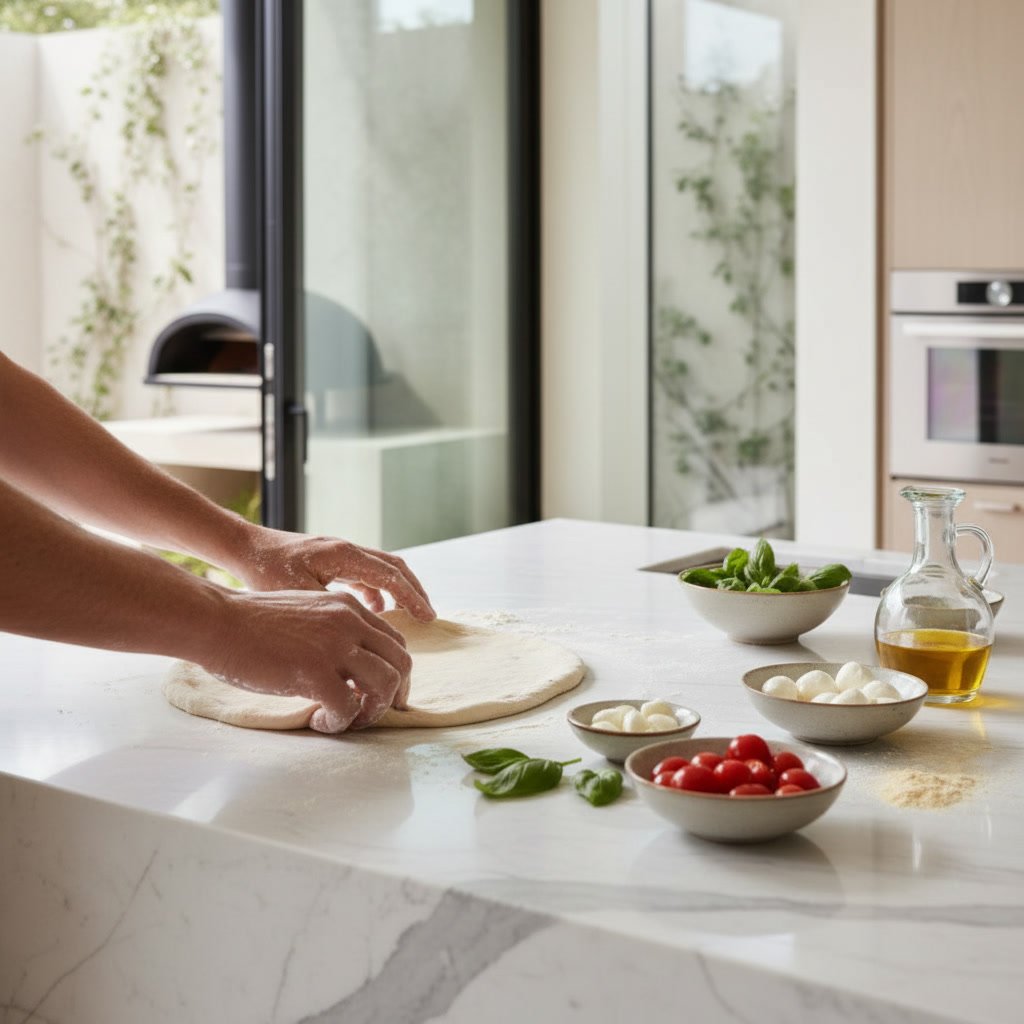
Fuel efficiency, operating cost & environmental impact — metrics buyers don’t get but should
Here’s what’s almost always missing from brand sites and reviews: exact fuel use per pizza and emissions figures. This is crucial if you cook often or want long-term cost control for your outdoor pizza oven home.
- BTU or MJ per pizza: This tells you how much energy each pizza actually costs. Gas ovens usually specify BTU/hour—divide this by how many pizzas you can make in 60 minutes at target temp for per-pie efficiency.
- Fuel consumption per hour: For wood, ask about log or pellet use at target temp; for gas, weigh the actual pounds of propane used per bake.
- CO₂ and particulate emissions: Electric and smart hybrid ovens are making headway here—they generate less smoke and fewer air-quality concerns outdoors.
According to industry research, most competitor content skips these numbers, leaving buyers with only guesswork. For the best outdoor pizza oven 2026 experience, push manufacturers to show their energy and emissions data per pizza baked.
Durability checklist — materials, coatings, insulation, and realistic maintenance schedules
A backyard pizza oven should last four years or more—here’s what to demand if you want real resilience (trust me, I’ve rebuilt after freeze-thaw damage):
- Shell and deck materials: Choose 304 or 430 stainless steel, or multi-layer powder-coated steel for best corrosion and crack resistance. Stone/brick decks should be 1″ thick minimum.
- Insulation layers: Dual or triple insulation minimizes heat loss, sharp temp drops, and exterior rusting in humid weather.
- Warranty terms: Look for at least 24 months on core components; extra points for lifetime stone or steel shell warranties.
- Maintenance schedule: Ask for a written schedule—quarterly cleaning, ash/crumb removal, annual reseal stone for stone facings (especially in cold climates), and part swap guides.
If you spot customer photos of rust or cracks in Amazon reviews, it usually means poor-quality coatings OR owners skipping cleaning in wet seasons. Get specs in writing, especially if you’re choosing a portable pizza oven for home use exposed to rain/dew stored outdoors.
Portable & countertop options — portability vs performance tradeoffs (including 750°F countertop models)
Not everyone needs (or wants) a permanent oven in the backyard. I’ve had great success with new portable pizza oven for home use and especially the advanced countertop pizza oven 750 degrees models.
- Portability: Look for units under 40 lbs with foldable legs or compact footprints. These fit campsites, patios, and can be stashed in small apartments.
- Performance: Modern countertop and electric ovens now hit 750°F in 10–18 min, matching authentic bake results—helped by PID controls that reduce temp swings by as much as 30%.
- Flexibility: Top models (like Frigidaire stone baked pizza oven range, covered below) go inside or outside and are renter-friendly.
While larger backyard ovens can churn out more pizzas back-to-back, these portable and countertop units often recover heat faster between bakes, burn less fuel, and handle smaller parties or weeknight pizza with less mess.
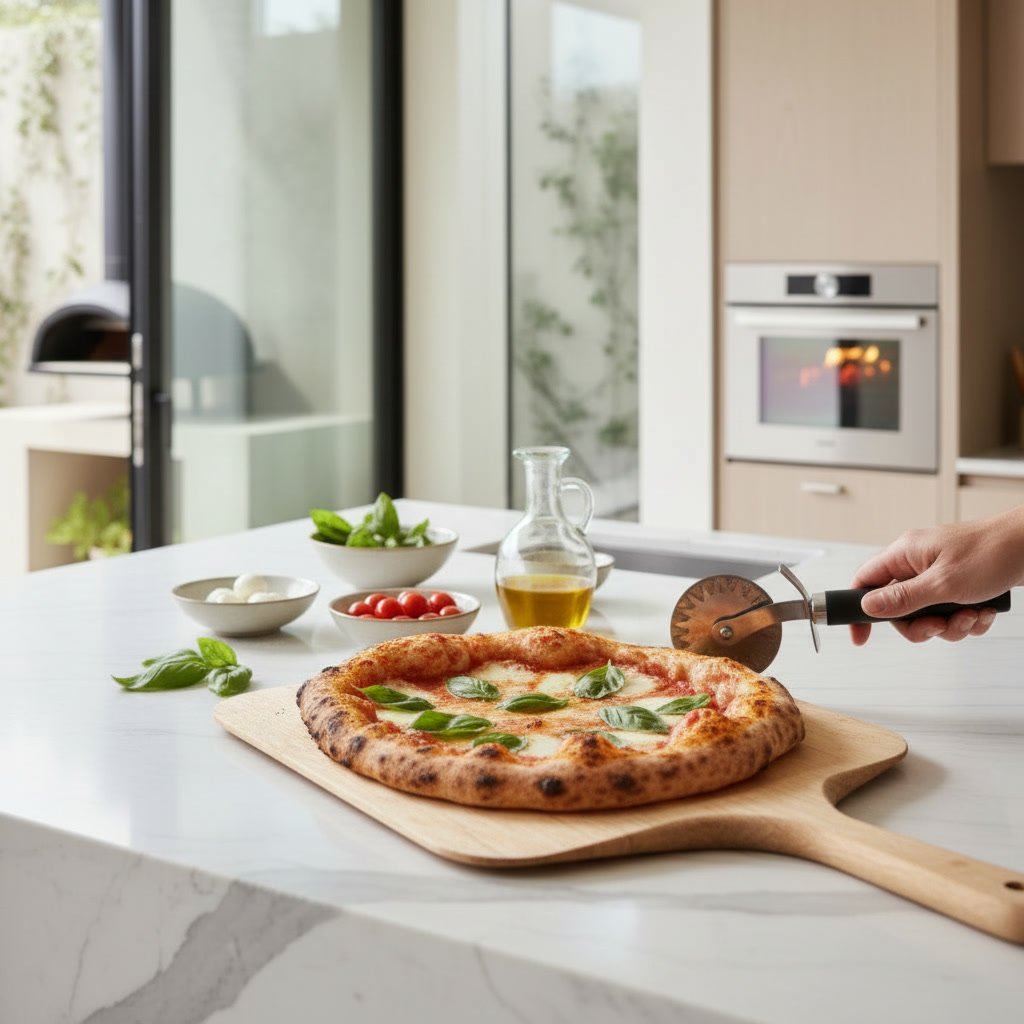
See how this compares to newer countertop oven types like the steam/convection combi ovens for all-season use.
Brand & model considerations — what spec sheets should include (call out Frigidaire stone baked pizza oven range)
When reviewing brands, don’t fall for fluffy marketing. Always compare:
- Max temp & preheat time (to 750°F and above)
- Thermal variance (ask for “max °F swing” at target temp)
- Fuel/electric consumption (BTU/hr or kWh/pizza)
- Emissions data (for wood/gas, ask for smoke/CO₂ output)
- Warranty (parts, structure, and what voids it)
- Materials (steel type, thickness, stone deck info)
- Weight & portability options
For countertop lovers, the Frigidaire stone baked pizza oven range is worth considering if you want reliable stone-baked performance and flexibility to switch from gas to electric or placement indoors. Always check if their warranty covers stone cracking or electronics issues.
The trend is clear: gas ovens still lead the market (~45–46% share in 2025), but smart electric and hybrid models are catching up fast. Judge specs yourself using the above list and compare operational costs, not just the pizza pie in photos.
See also: AI ovens that auto-adjust for pizza and steam ovens for healthier bakes.
Side‑by‑side testing plan buyers should ask for (or expect from reviews)
Tired of influencer reviews that skip the nitty-gritty? Here’s a side-by-side test you can run (or look for in serious review sources):
- Place all ovens in identical weather (outdoors, no wind, same temp).
- Use the same dough recipe (by weight) and pizza diameter.
- Time heat-up to target temp (e.g., 750°F) with an infrared gun.
- Cook 5–10 pizzas in sequence, recording bake time and crust color/consistency.
- Log fuel/electric use per pizza (weigh propane, count wood, check kWh usage).
- Check for temp drop/recovery between bakes—note variance in °F.
- If possible, measure visible smoke/emissions output after the third pizza.
Most “best outdoor pizza oven 2026” roundups skip this rigorous process. However, knowing real variance, recovery, and per-pizza fuel use will save you money and frustration in the long run—especially when comparing gas vs wood fired pizza oven backyard models.
Don’t rely solely on glossy marketing—demand or seek out side-by-side reviews before you buy.
Curious which other countertop appliances face similar scrutiny? Here’s a breakdown of side-by-side air fryer testing.
Quick practical buying checklist & top recommendations (by use-case)
Here’s the no-nonsense checklist I use when advising new buyers:
- Max temp (can it hold 750–900°F for multiple pizzas?)
- Time-to-temp (under 20 minutes is a strong plus)
- Temp stability (ask for °F variance over 5 pies)
- Fuel-efficiency (BTU/hour or kWh, or logs/pizza)
- Shell and deck materials (avoid uncoated steel, opt for stone >1″)
- Warranty and service access (ask: how do you replace stones or seals?)
- True portability (unit weight, detachable legs, indoor/outdoor)
- Emissions profile (for eco-conscious buyers)
Who should buy what?
- Backyard entertainers/families: Gas-fired backyard pizza oven for speed, easy service, and reliable results.
- Flavor chasers/traditionalists: Large, insulated wood-fired oven (or hybrid for wood/gas flexibility).
- Space-limited, renters, or small households: Portable pizza oven for home use or advanced countertop pizza oven 750 degrees—these work on a fire-proof table or patio and stow away in winter.
- Fastest bake, lowest emissions: Electric/hybrid countertop models (see above).
Want more detailed appliance comparisons? Here are trending 2026 guides:
Steam ovens for healthy cooking,
Invisible induction cooktop tips,
Non-toxic bakeware picks.
After-purchase expectations — maintenance, fuel budgeting, and warranty claims
So you’ve bought your outdoor pizza oven home setup. Now what? Here’s my actionable, real-world care and budgeting routine:
- Monthly: Scrape and sweep stone deck, empty crumb trays, wipe outer shell (keep dry if stored outdoors).
- Seasonal/bi-annual: Inspect for cracks (stone/brick) and rust (steel). Touch up paint/coating if needed. For wood-fired, reseal stone with food-safe sealant heading into winter.
- After every 8–10 bakes: For portable/countertop models, check burner or coil connections and replace worn gaskets if visible. Many units sell parts direct—order before busy season.
- Fuel budget template: Weigh or measure how much gas/wood/electricity you use for 4 pizzas. Multiply by local fuel costs for a per-use estimate.
- Warranty claims: Take photos of cracks, rust, or failed igniters with time-stamps. Brands are more likely to honor claims when you show clear documentation.
Many owners skip this, then end up with costlier repairs or denied warranties. For more examples of realistic maintenance and budgeting, see
Cookware durability tips and how to plan realistic replacements after a couple years of heavy use.
FAQ
How much does a typical outdoor pizza oven home setup cost to run monthly?
That varies based on fuel. Gas ovens usually run $6–$10/month for average use (8–12 pizzas). Wood ovens can cost more, especially if you like higher heat, often $10–$18/month. Electric/countertop units trend on the lower side, as they use less energy and heat up quicker.
What are the main advantages of getting a backyard pizza oven versus a regular kitchen oven?
Backyard pizza ovens reach higher temps (often 750°F+), deliver crisp or blistered crusts, and can bake several pizzas in minutes. They’re ideal for entertaining and far surpass the texture and speed of home kitchen ovens.
Is a portable pizza oven for home use as good as a built-in backyard pizza oven?
Portable models can match (or even beat) built-in ovens for speed and top temperatures today, especially countertop pizza ovens that hit 750°F. Their main trade-off is size—they fit smaller pies and need to cool before moving, but are much easier for renters or small patios.
What maintenance should I expect with an outdoor pizza oven home? Is rust common?
Regular cleaning is a must, plus checking for rust (on steel) and cracking (on stone decks). Rust can be minimized with high-quality steel and covers, but expect at least yearly minor touch-up or part replacement, especially in humid climates.
What’s unique about the Frigidaire stone baked pizza oven range for countertop use?
This Frigidaire model heats quickly (often under 20 minutes), mimics a traditional stone deck for authentic crust texture, and is compact enough for countertop or built-in installations—ideal for those wanting pro results without dedicating permanent backyard space.
For those serious about investing in a better pizza future, a well-chosen outdoor pizza oven home delivers both cost savings and pro-level results. Select for durability, temp control, and maintenance support—skip features you won’t use. For the best current prices and options, Check the latest price on Amazon.