

Key Takeaways
- Stackable shelf risers kitchen solutions can double or even triple visible storage in both small cabinets and on countertops, without any drilling or full remodel.
- Look for high-value features: adjustable height, anti-slip pads, modular stacking, and dishwasher-safe parts. Most complaints come from risers that sag, wobble, or are tedious to clean.
- Choose design elements tailored for your most-used items—wide, shallow tiers for plates; wire risers with mug slots for cups; stable corner units for tight spaces.
- Prioritize verified weight ratings and easy-clean materials to avoid toppling stacks and cleanup overload—renters and busy cooks benefit most from quick install and low maintenance.
- What It Is and Why It Matters
- Key Features and How to Use It
- Pros, Cons, and Common Issues
- Conclusion
- FAQ
Why add stackable shelf risers to your kitchen?
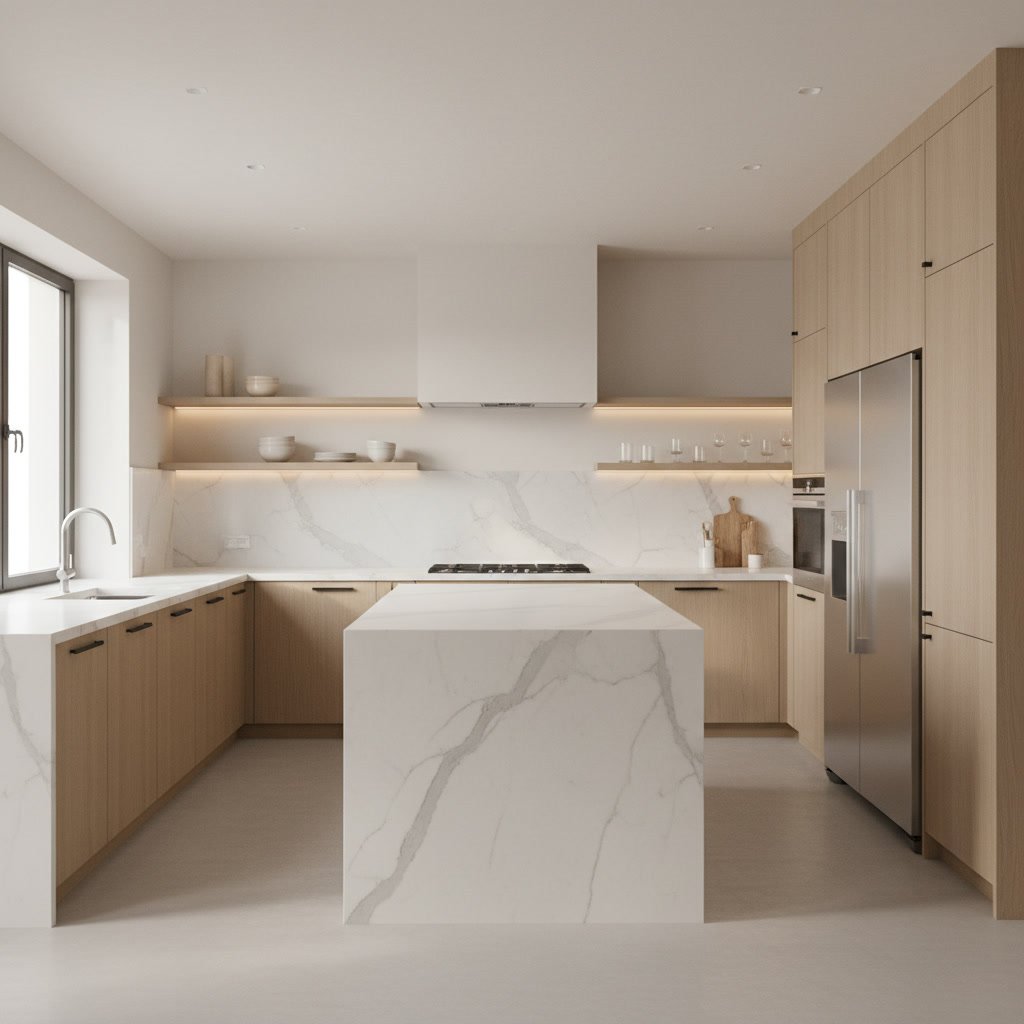
If you have ever opened a crowded cabinet only to watch plates slide dangerously as you grab your morning mug, you already understand why stackable shelf risers kitchen tools are everywhere in 2024. These simple organizers are designed to reclaim “dead” vertical space in your cabinets or on your countertop—no tools, no DIY skills required.
As an Amazon Associate, I earn from qualifying purchases.
According to recent retail analysis, the U.S. market for stackable shelf risers hit about $150 million in 2024, climbing at nearly 8 percent per year. Why? More and more homeowners and renters want the visibility—and easy-access—to daily plates, mugs, and kitchen gear, but without risking their security deposit or spending on expensive cabinetry upgrades.
With stackable risers, you can:
- Double (sometimes even triple) the storage on any shelf—fit side plates and big ramen bowls without teetering piles.
- Make everything visible and grab-ready (see real-world test drives for proof).
- Reduce toppling accidents—no more stacks that nearly jump out when you grab the item at the bottom.
- Upgrade small apartments, rentals, or older homes, fast—no screws, no commitment.
Small details matter: Renter? Stackable shelf risers let you organize and tidy up, then move or restack as your kitchen changes. Homeowner? They give you the flexibility to reconfigure for holidays, parties, or a grocery haul. And nobody loses storage to tall, empty “dead air.”
Key Features and How to Use It
Choosing the right stackable shelf risers kitchen organizer comes down to features built for real-life kitchen chaos. Here’s what I now require after years of reorganizing rental and starter home cabinets:
- Adjustable Height Tiers: If your risers only fit tiny saucers, you’ll curse them every brunch. Look for models with telescoping legs or removable shelves so you can fine-tune the gap for tall mugs or deep dinner plates (source).
- Anti-Slip Pads or Silicone Feet: Slippery surfaces send plates sliding and encourage wobbly stacks. Prioritize risers with built-in grips (metal vs. bamboo vs. plastic options—more on materials below).
- Quick, Tool-Free Assembly: Look for interlocking or snap-fit designs. The best risers set up in seconds and don’t require drills or screws, which is essential for rental kitchens or when you’re reorganizing often.
- Dishwasher-Safe & Easy to Clean: Removable shelves that fit right in the dishwasher or sink will save you time, especially if you leave risers on the countertop where dust and food crumbs collect quickly (see cleaning warnings).
- Clear Weight Ratings: Never guess—especially if you’re stacking heavy stoneware. Models with posted max-load data have prevented more than one cabinet disaster.
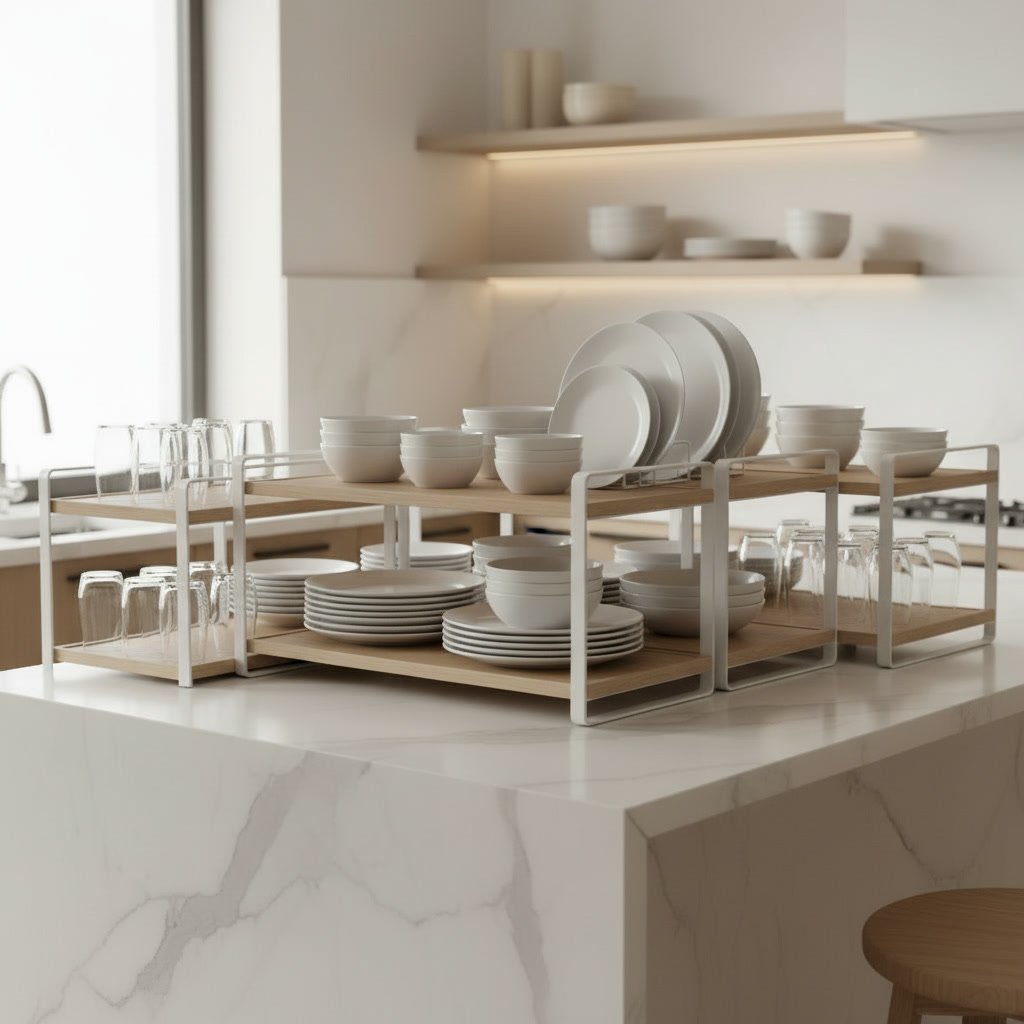
- Modular Designs: Mix and match straight risers with triangular or corner units to maximize every square inch—even odd nooks above appliance “garages” or under low cabinet lips.
- Vertical Mug Slots: For mug lovers, wire shelf riser for mugs with vertical slots keep handles accessible and prevent chip accidents.
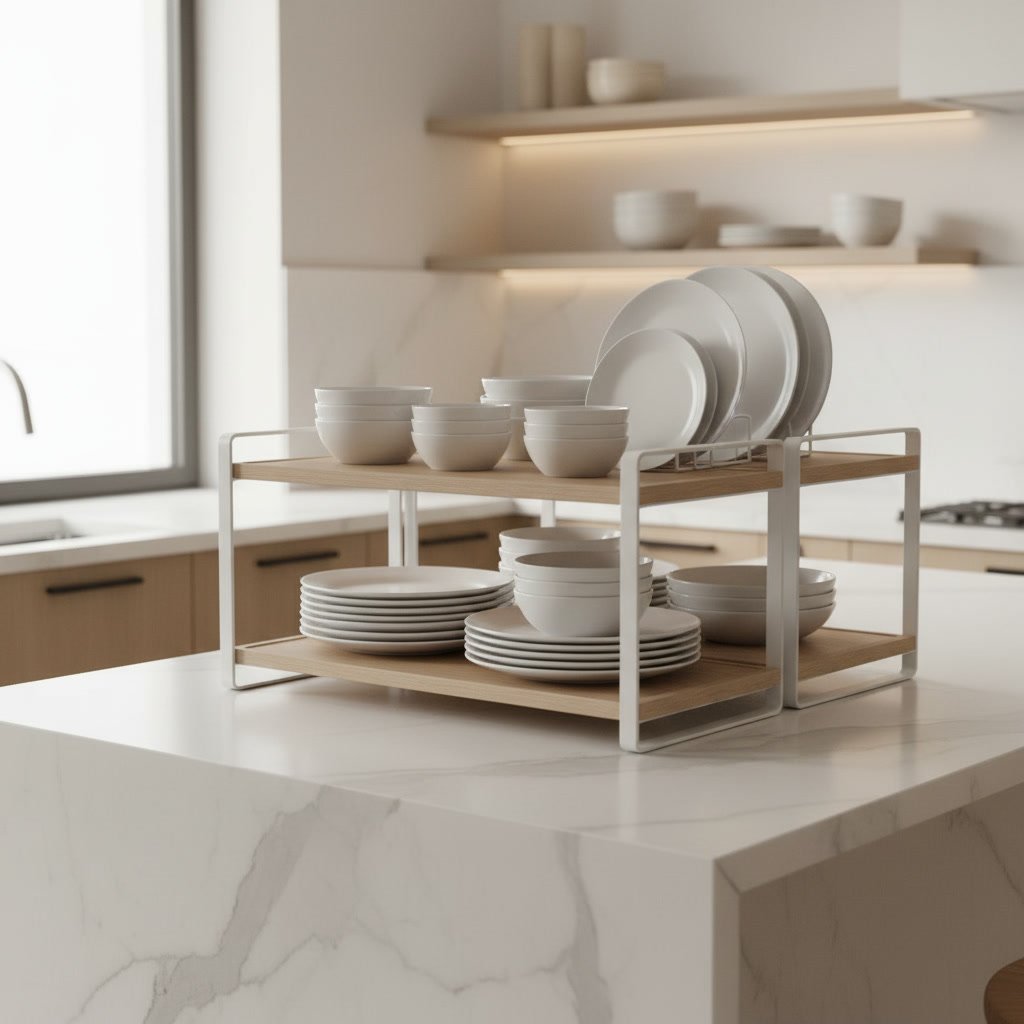
Kitchen shelf riser for plates: Wide, shallow tiers prevent stacks from tilting
Look for risers with a light lip or slightly raised edge. This keeps dinner plates safe, separated, and easier to grab during busy meal prep. Modular stacking is handy if you swap in deeper bowls or serving platters for company.
Wire shelf riser for mugs: Handle clearance and anti-slip feet
Mugs are notorious for tipping and chipping on flat shelving. Choose a tiered cabinet shelf organizer specifically with cutout vertical slots or open sides—heavy ceramic and travel mugs need more clearance. For bonus stability, metal wire risers grip shelf liners even when bumped.
Corner and cupboard shelf doubler: Unlocking awkward spaces
Triangular risers are my go-to for weird, shallow cabinet corners. Take full advantage of the hidden “back” zone, especially above lower drawers or under-cabinet microwaves. For renters avoiding permanent hardware, these are low-fuss, high-impact upgrades.
Pros, Cons, and Common Issues
| Pros | Cons / Watch-Outs |
|---|---|
|
|
Based on real-world user reviews and product testing, the most common failure points for a cabinet shelf riser organizer are:
- Fixed heights that don’t fit large plates or deep mugs
- Weight limits exceeded—sagging or collapse
- Risers without non-slip grips—shifting and accidental drops
- Hard-to-reach corners or back rows requiring awkward reaching or whole-unit removal
- Accumulated crumbs and dust on countertop shelf risers or under riser parts
- Persistent wobble from weak connectors or uneven shelving—especially in older homes or rentals (see corner riser use-cases)
For a deep-dive on ergonomic storage and kitchen cabinet optimization, check our guide to cabinet pull-out shelves.
Conclusion
If your kitchen cabinets feel cramped, or if you dread the daily balancing act of fetching a mug from the bottom of a teetering stack, stackable shelf risers kitchen organizers are a smart, low-commitment win. Prioritize adjustable height and anti-slip features for real-world durability. Avoid the bargain bin variety if you want long-term stability—opt for risers with posted weight ratings and dishwasher-safe materials.
Small kitchens, renters, families with ever-changing cabinets and meal prep needs—these are for you. If you only use your cabinets for rarely-touched fancyware and don’t mind a little clutter, you could skip it. For everyone else, it’s the only organizer I’d buy again after testing a dozen alternatives.
Check the latest price on Amazon, or read our full kitchen storage comparison guide.
FAQ
Can I use stackable shelf risers kitchen products on a countertop, or are they only for cabinets?
Absolutely, but keep in mind that countertop shelf risers can attract more visible dust and crumbs compared to cabinet use. For high-traffic kitchen counters, pick models with dishwasher-safe or easily wiped surfaces to avoid added cleaning work. Streamlined, minimalist risers match modern decor and help manage clutter—just don’t overload them or they’ll wobble or sag.
What’s the best way to use a cabinet shelf riser organizer with heavy dinner plates?
Choose an adjustable-height riser able to fit your tallest plates, and check the rated max weight per tier (typically 12-20 lbs). Place the riser on a flat, level surface and use anti-slip liners or built-in pads. Avoid overloading, and always stack plates with largest pieces at the bottom for stability. See more tips in our ceramic cookware set guide.
How do I stop plates from sliding off kitchen shelf riser for plates?
Pick risers with a raised edge or light shelf lip, or add cut-to-size non-slip liner. Avoid smooth, glossy plastic-only shelves. For heavier or slippery plates, bamboo or powder-coated steel risers offer better grip and less sliding. Always check for anti-slip feet and surface texture in product specs.
Is a cupboard shelf doubler safe for deep, heavy ceramic bowls or should I use a wire riser for mugs instead?
Cupboard shelf doublers work best for wide, flat plate stacks and light bowls. For deeper or heavier ceramic bowls, use tiered or wire risers with reinforced frames, or place them on the cabinet’s native shelf. Wire shelf riser for mugs with mug slots is optimal for drinkware, as they keep handles separated and prevent chips. For more creative storage ideas, explore our magnetic knife strip upgrade guide.
Can I stack different brands of risers together, or are tiered cabinet shelf organizers only modular with matching sets?
Most risers from different brands have slightly different widths, heights, and leg designs, so mixing can lead to wobble or poor stacking. Modular stacking works best with the same brand or family of risers. Check specs: modular units often snap together via corner clips or slots—mixing brands negates this stability. When in doubt, buy a 2- or 4-pack of the same model for a uniform fit.