

If you’ve ever questioned what’s leaching into your banana bread or found a mysterious coating flaking off your favorite cookie sheet, you’re not alone. Non toxic bakeware is one of the hottest topics among passionate home bakers and wellness-conscious families—and for good reason. With recent bans on PFAS chemicals rolling across the US, switching to safer bakeware isn’t just about peace of mind; it’s about protecting your food, family, and even your kitchen’s air.
Key Takeaways
- Opt for stainless steel, ceramic, glass, or cast iron for genuinely non toxic bakeware—always check for lead and cadmium-free certifications.
- Avoid nonstick pans that use Teflon, PTFE, or ambiguous “PFOA-free” labels; even high-heat use can cause coatings to break down above 500°F.
- PFAS free baking pans are now widely available, but durability and real-world performance (no warping, chipping, or staining) vary greatly between brands.
- Always size your bakeware for your oven; a 12 x 16 inches baking sheet is standard, while a 10-inch round ceramic bakeware set fits most apartment ovens.
- What It Is and Why It Matters
- Key Features and How to Use It
- Pros, Cons, and Common Issues
- Conclusion
- FAQ
What It Is and Why It Matters
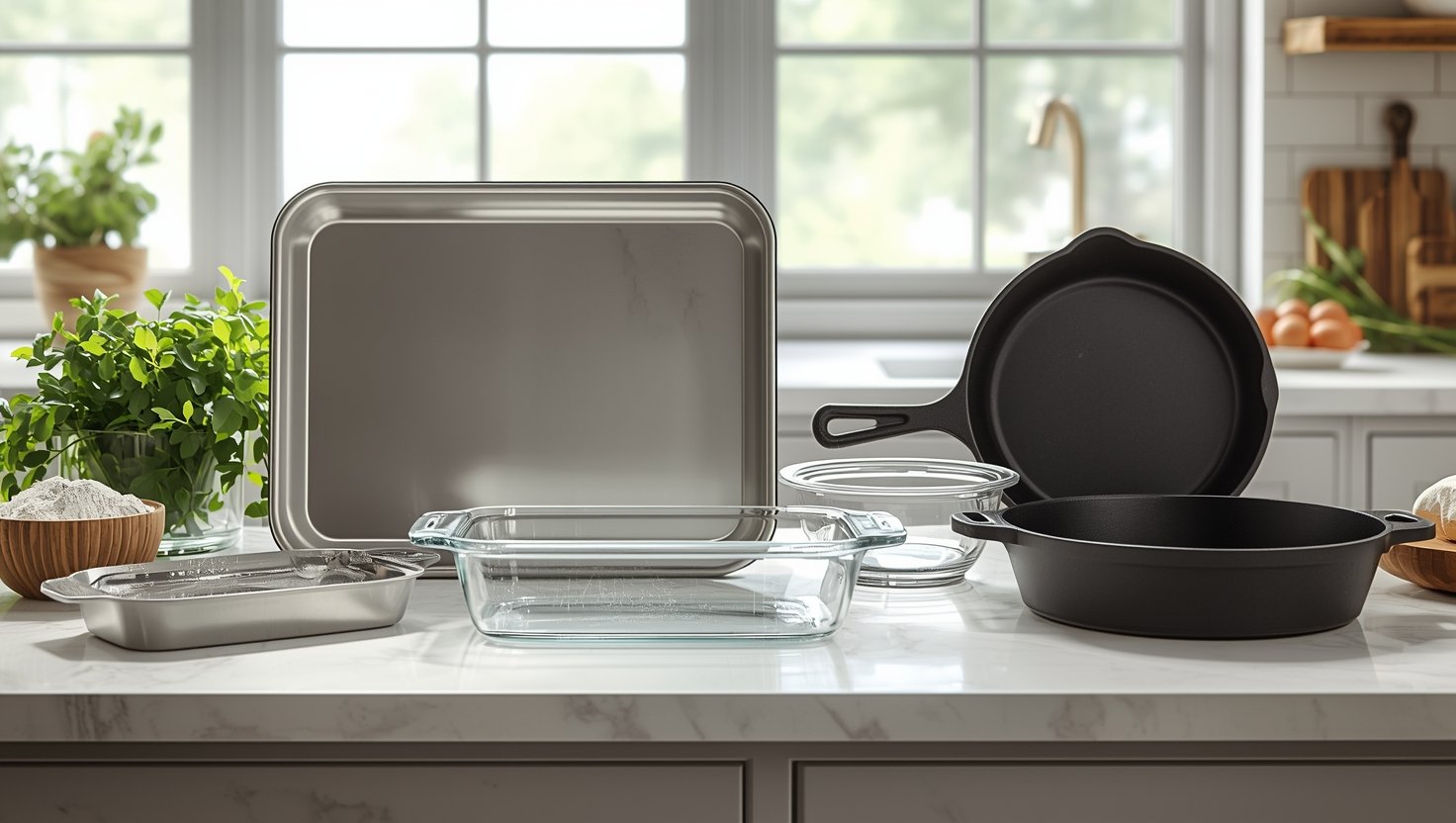
Non toxic bakeware is simply bakeware made from materials that do not release harmful chemicals—either into your food or the air—at normal or high baking temperatures. The best options today include uncoated stainless steel, ceramic, glass, and cast iron. Each material has pros and cons around weight, heat performance, and maintenance, making your choice a matter of both kitchen needs and health priorities.
For example, a solid 18/10 stainless steel baking sheet (think: 12 x 16 inches, 2 pounds minimum) won’t warp or rust easily. ceramic bakeware sets are ideal for casseroles and lasagna—oval or rectangular pans ranging from 7 to 14 inches are common, and many sets are under $70. Glass is unbeatable for visual monitoring, while cast iron excels in even heat and doubles as a serving dish if seasoned well.
So, who benefits the most? If you’re baking for kids (no chemical off-gassing), live in a small apartment where oven smells linger, or just want a safe, long-lasting bakeware collection for serious meal prep, making the switch is a no-brainer. For a deep-dive on PFAS free cookware options, check out our PFAS Free Cookware Guide.
PFAS chemicals (like PTFE, PFOA, GenX) have drawn widespread consumer concern, with many nonstick pans—even those labeled “PFOA free”—still containing similar compounds. Focus on clearly labeled “PFAS free baking pans” or go with uncoated classics for peace of mind. According to Zendaguide, always look for bakeware with lead and cadmium-free certifications, especially when shopping for ceramic bakeware or glazed porcelain.
Key Features and How to Use It
Let’s get into the details. Here’s what sets non toxic bakeware apart, and how to use it for real-world results:
1. Material Breakdown
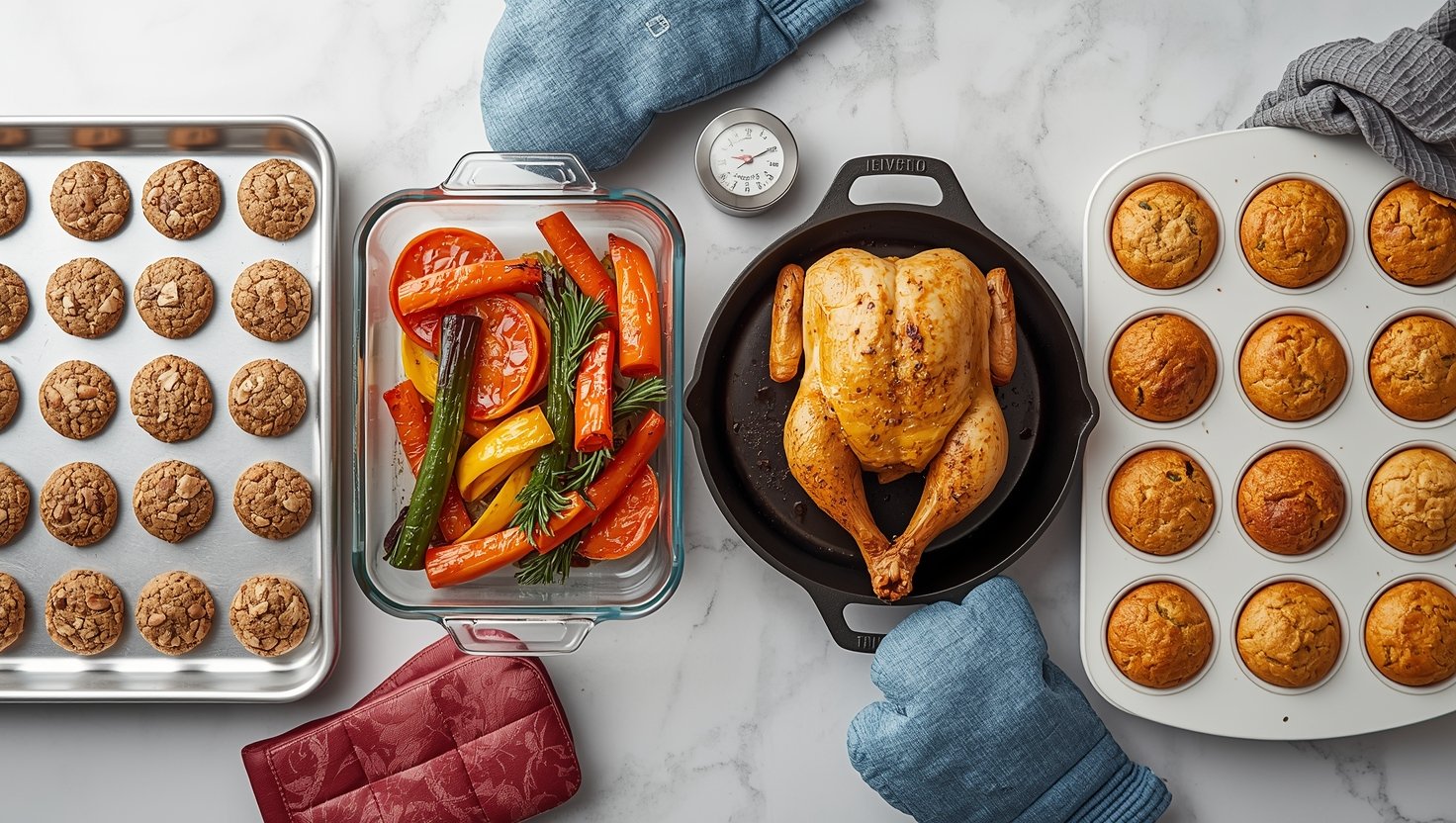
- Stainless Steel: The workhorse option. Heats quickly and evenly, goes directly in the dishwasher, and never off-gasses. Perfect for cookies, sheet pan dinners, and roasting veggies.
- Ceramic Bakeware Set: Ideal for lasagna, baked pasta, cobblers, and layered desserts. Excellent for oven-to-table presentation. Look for heavy, chip-resistant glaze and mention of lead-free and PFAS free.
- Glass: Best for casseroles and anything where you want to monitor browning. Handles up to 425°F. Avoid thermal shock (don’t put hot glass on cold counters).
- Cast Iron: Seasonal and multipurpose—think skillet brownies, cornbread, or even as a deep dish pizza pan. Naturally chemical free, improves with seasoning.
2. Sizing and Versatility Tips
If you’re baking for a crowd, a 12 x 16 inches rimmed non toxic baking sheet lets you crank out dozens of cookies or roast two sheet pans’ worth of root veggies at once. Apartment kitchens or smaller ovens (20-24″ wide) do better with 10×14″ pans or a 2-piece ceramic bakeware set with both round and rectangular dishes.
3. Temperature & Care
Some nonstick coatings start to break down at temperatures above 500°F (source). For true non toxic bakeware, look for pieces with a published temperature limit (most go as high as 600°F for uncoated stainless or cast iron). For ceramic and glass, stick to 425–450°F, and avoid sudden temperature swings to prevent cracking.
4. Don’t Forget the Muffin Pan
A chemical free muffin pan (look for bare stainless or unglazed ceramic) is a must. The classic 12-cup pan (roughly 13 x 9 inches) bakes evenly and releases easily. Old-style nonstick muffin pans often contained Teflon; swap them out for a PFAS free option—especially if your muffin recipes run on the hot side.
Curious about baking the perfect tray of cookies? Don’t miss our dual basket air fryer guide for smart oven alternatives, or see how a smart AI oven can automate your temperature controls.
Pros, Cons, and Common Issues
No bakeware is perfect, and the real world throws curveballs—like cheesy casserole residue, snap-crackle warping, and over-eager dishwashers. Here’s a realistic rundown of the biggest pros, cons, and troubleshooting notes for non toxic bakeware and PFAS free baking pans:
| Pros | Cons / Real-World Issues |
|---|---|
|
|
Common Complaints & What to Watch For
- Warping: Even “best safe baking pans 2026” models can warp if taken from a 450°F oven and immediately exposed to cold water. Let pans cool before washing.
- Sticking: Uncoated pans require parchment or silicon mats for delicate bakes. Pre-oiling helps, but for some recipes (like honey-glazed carrots) only parchment guarantees nonstick results.
- Chipping/Staining: Dishwasher use accelerates wear on ceramic finishes. Hand wash when possible, and avoid stacking heavy cast iron or stoneware.
- Misleading Labels: “PFOA free baking tray” or “PFOS free” doesn’t mean fully PFAS free; always check the material and third-party certifications. See our ceramic cookware guide for brand comparisons.
Alternatives & Upgrades
If you’re ready to invest, brands like USA Pan and Nordic Ware (uncoated aluminized steel), Caraway (lead/cadmium/PFAS free ceramic), and Lodge (cast iron) are leading choices. For a full non stick experience minus chemicals, consider carbon steel (learn about seasoning here).
Conclusion
If you bake regularly, have kids, or simply want to avoid questionable coatings, investing in non toxic bakeware absolutely makes sense. You get sturdier, more versatile pans, and the assurance that your family’s food isn’t coming with a side of “mystery chemicals.” Avoid off-brand ceramic or glass without certifications, and always read the fine print on “PFAS free baking pans” and “PFOA free baking tray” claims—look for real third-party labels.
If you’re shopping for a new ceramic bakeware set or want the best safe baking pans 2026, always size up for your oven and choose heavy, quality materials over bargain-bin deals. Non toxic baking sheets, cast-iron baking dishes, and chemical free muffin pans are staples in my kitchen now—I wouldn’t go back. Ready to upgrade? Read our full comparison guide here or check the latest price on Amazon.
FAQ
What materials are truly non toxic for bakeware?
Stainless steel, glass, ceramic (with lead/cadmium-free certification), and uncoated cast iron are your safest bets for non toxic bakeware. Always check for third-party testing and avoid unknown nonstick coatings. See more material breakdowns at The Roundup.
Are PFAS free baking pans really safer?
Genuinely PFAS free baking pans are made without harmful “forever chemicals” like PTFE, PFOA, or GenX. Look for brands that use ceramic or glass coatings and clearly list “PFAS free” rather than just “PFOA free.” For guidance, check out our PFAS Free Cookware Guide.
How do I clean and maintain a ceramic bakeware set?
Hand wash to avoid chipping and preserve the glaze. Soak stuck-on food with a bit of baking soda if needed. Avoid stacking heavy pans directly on ceramic to prevent scratches. Always check that your ceramic set is labeled as chemical-free and lead/cadmium-tested.
Is it safe to use non toxic baking sheets for high-heat roasting?
Absolutely—as long as your non toxic baking sheets are made from uncoated stainless steel or certified glass, use them up to 500°F. For ceramics, consult the recommended temperature limit (typically 425–450°F). Avoid rapid temperature changes to prevent warping or cracking.
What is the downside of switching to chemical free muffin pans?
Chemical free muffin pans, like pure stainless or ceramic, may require light oiling or liners for easy release, especially for sticky batters. Otherwise, maintenance is simple—no coatings to flake, warp, or degrade, and you skip the risk of chemical leaching entirely.