

If you have ever tried to fry eggs only to have them stubbornly stick or found your seared steak turning gray instead of brown, it might be time to reconsider your cookware. A carbon steel pan is one tool that can solve these problems—if you pick the right model and know how to use it.
As an Amazon Associate, I earn from qualifying purchases.
Key Takeaways
- If you value speed and restaurant-quality browning, a carbon steel pan is far superior to classic nonstick or most stainless steel pans.
- Seasoning and oven limitations are real—especially with models like de Buyer Mineral B, which can’t be left in the oven for more than 10 minutes.
- Handle comfort, warping, and heat retention vary by brand. Premium options like the Mineral B Pro solve some of these issues, but at a steeper price.
- For induction cooktops, double-check pan compatibility—full details can be found in our induction cookware guide.
- What Is a Carbon Steel Pan and Why Does It Matter?
- Key Features and How to Use a Carbon Steel Pan
- Pros, Cons, and Common Issues of Carbon Steel Pans
- Conclusion: Who Is a Carbon Steel Pan For?
- FAQ: Carbon Steel Pans for Real Kitchens
What Is a Carbon Steel Pan and Why Does It Matter?
A carbon steel pan sits right between cast iron and stainless steel in the kitchen hierarchy. Typically ranging from 8 inches up to a 12.5-inch diameter, these pans offer thinner construction—usually 2 to 3 mm thick—so they heat up much faster than cast iron.
For the home cook who’s serious about steak nights, perfectly-caramelized onions, and even delicate fish filets, a carbon steel pan delivers that coveted restaurant char and speed. Unlike cheap nonstick pans, a seasoned carbon steel surface becomes naturally slick over time without relying on chemical coatings.
Price-wise, expect to pay from around $40 for lighter, basic models up to $110 for a 12.5-inch de Buyer Mineral B (the standard version), with pro-grade models like the Mineral B Pro going even higher. The added expense often brings a thicker base, improved balance, and oven-safe handles that matter if you finish steak in the oven or want your pan to last beyond a few years.
Who wins from using a carbon steel pan? Anyone who values versatility—searing, frying, stir-frying, even baking (for some brands)—but doesn’t want to bench press their cookware like with cast iron. They’re just as heavy, but easier to maneuver thanks to shape and handle design. Apartment dwellers, meal preppers, and big-family cooks all find a niche for carbon steel—once they master seasoning and care.
Key Features and How to Use a Carbon Steel Pan
The best carbon steel skillet designs excel at rapid heating, even cooking, and developing a natural nonstick layer (when properly seasoned). Sizing is usually in the 10-inch to 12.5-inch range; a 12.5-inch pan is perfect for prepping family meals or handling two large New York strip steaks side-by-side.
Brand breakdown: The de Buyer Mineral B line is a popular pick for professionals and home enthusiasts. The Mineral B Pro stands out with its 3mm thickness and cast stainless handle that’s fully oven-safe. The standard Mineral B (12.5-inch, ~$110) is just as heavy as cast iron, but only oven safe for 10 minutes—hardly enough for deep seasoning or true roasting.
How to use it? Begin by thoroughly washing a new, unseasoned pan to remove factory oil. Then, heat it dry, rub with a thin coat of high-smoke-point oil (like flaxseed or grapeseed), and heat until it just starts to smoke—repeat 2-4 times for best results. This forms the base of a nonstick surface and helps prevent rust.
For cooking, preheat the carbon steel pan over medium-high for 2-3 minutes before adding oil and ingredients. Searing meats, crisping potatoes, or stir-frying are its bread and butter. Just avoid leaving acidic foods (like tomatoes) for long—they can strip seasoning. When done, wipe clean and avoid harsh detergents.
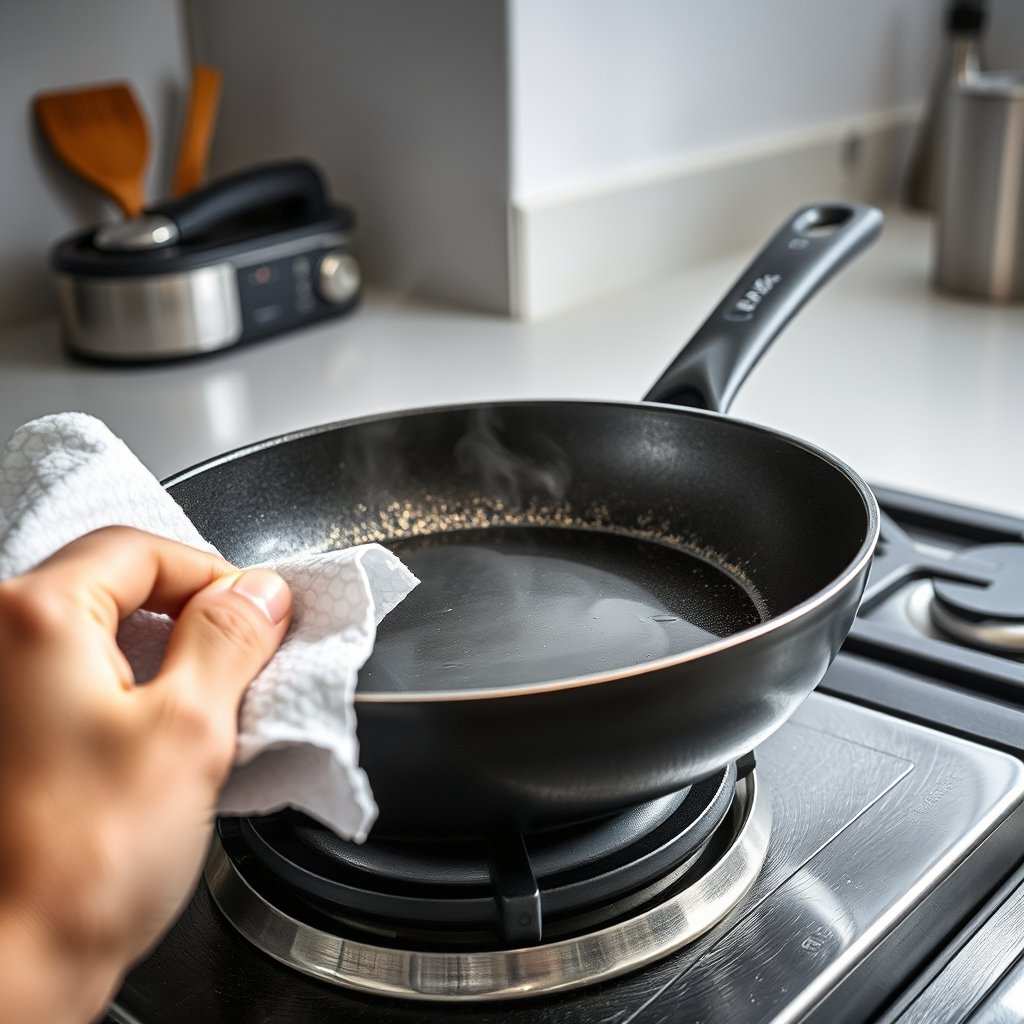
Advanced users can harden the exterior seasoning with oven time. But beware: the Mineral B standard is not oven safe past 10 minutes, so choose models like Mineral B Pro or check out our steam oven guide for alternatives.
For everyday care, wipe clean or rinse using hot water, avoid the dishwasher, and occasionally re-season. If you are a beginner, expect a learning curve but know that every pan gets better with use—it’s like a cast iron, but with faster heating and (eventually) a naturally nonstick surface.
What About Pre-Seasoned or “For Beginners” Carbon Steel?
If the idea of seasoning feels daunting, look at pre-seasoned models—or the induction-ready options for plug-and-play compatibility. However, pre-seasoned carbon steel skillets still benefit from home touch-ups. Realistically, even beginner pans require a few uses to develop that silky, golden-brown patina that keeps eggs sliding and fish from sticking.
Pros, Cons, and Common Issues of Carbon Steel Pans
| Pros | Cons / Issues Reported |
|---|---|
|
|
Curious how carbon steel stacks up against cast iron or nonstick? Here’s my take after testing these side-by-side.
Carbon Steel vs. Cast Iron vs. Nonstick: Which is Better?
- Seasoning: Carbon steel and cast iron both require seasoning, but carbon steel heats up much faster and is easier to maneuver for eggs and crepes. However, you can oven-season cast iron for a more consistent coating—something the standard de Buyer can’t do well (source).
- Heat Retention: Cast iron retains heat better, but carbon steel is quicker to respond, critical for stir-frying or learning precise heat control.
- Weight and Handling: Both are heavy—de Buyer Mineral B is as heavy as cast iron—but the height and handle angle matter for maneuvering. If mobility is a priority, check out de Buyer’s Blue Carbon Steel line for a lighter build.
- Durability: If dropped, cast iron can break but carbon steel nearly never does. However, both are susceptible to rust and need basic care.
- Chemical Safety: Carbon steel and cast iron are naturally PFAS-free, unlike most nonstick pans. For more info on chemical-free options, see our guide to PFAS free cookware.
One caution: Avoid Matfer carbon steel for now due to a recall regarding arsenic and heavy metal leaching (source).
If your kitchen runs induction, you’ll want to confirm pan compatibility (read: induction symbols explained and more in our buying guide for induction). And if you’re short on counter or storage space, consider the higher sides and stackability of Blue Carbon Steel instead.
Common Issues After 6-12 Months of Use
- Warping: If you use high heat a lot or suddenly cool the pan, warping can occur. This ruins contact with flat cooktops (source).
- Loss of Seasoning: If you use lots of tomato sauce or scrub with soap, seasoning can peel off—expect to redo seasoning occasionally.
- Microscopic Cracking: Some report thin cracks forming after repeated oven seasoning attempts (source).
Quick note if you’re an apartment dweller with limited space—see our invisible induction cooktop guide for clever space-saving options that pair great with carbon steel.
Conclusion: Who Is a Carbon Steel Pan For?
A carbon steel pan is your ticket to fast searing, golden hash browns, and pro-tier browning without the curse of worn-out PTFE nonstick. Beginner or chef, this is must-have gear if you love flavor and don’t mind a little routine care.
If you prefer “set it and forget it” cooking, stick with modern ceramic nonstick (check our ceramic nonstick cookware guide). But if you want lasting performance and a pan that gets better the more you use it, invest in a quality carbon steel pan. The carbon steel pan is for cooks who want real results—just skip budget brands and double-check oven specs!
Curious? Check the latest price or read more reviews here, or go deep with our full comparison guides.
FAQ: Carbon Steel Pans for Real Kitchens
How do I season a carbon steel pan when the model isn’t fully oven safe?
Use a stovetop seasoning technique: heat the pan with a thin layer of high-smoke-point oil until it smokes, wipe off, and repeat several times. For the de Buyer Mineral B (standard), avoid oven seasoning longer than 10 minutes per the manufacturer’s guidance.
Is the best carbon steel skillet really better than cast iron for daily cooking?
For stir-fries, eggs, and delicate fish, yes. The best carbon steel skillet heats faster, is lighter to swirl, and develops a smooth nonstick patina with use. Cast iron wins for deep heat retention and big one-pot meals, but carbon steel excels at browning and handling.
Why did my carbon steel pan warp or crack after a few months?
Warping and small cracks are usually from sudden temperature changes or repeated stove-to-oven shuttles with rapid cooling. Always preheat gradually and let your pan cool slower; avoid running cold water into a hot pan.
Are there real differences between pre-seasoned and unseasoned carbon steel skillets?
Pre-seasoned pans offer a small head start, but both types need regular seasoning at home. Most pros still recommend building your own patina for best results.
Can I use my carbon steel skillet on an induction cooktop?
Yes—most carbon steel pans are induction compatible, but always check for induction symbols. For more details and troubleshooting, see our cookware for induction guide.