

Introduction
If you have ever scrambled eggs in a non-stick pan, only to have them glue themselves stubbornly after just a few months, you are not alone. When I first switched to PFAS free cookware, I expected the slick surface to last, and my kitchen to instantly feel safer. What I found was a world of real benefits, but also plenty of surprises: sticking, staining, and the shock of premium prices. Are these non toxic pots and pans truly worth the hype—or just another kitchen trend that falls flat after the first family dinner?
Key Takeaways
- PFAS free cookware is safest for avoiding forever chemicals, but nonstick performance fades faster than with PTFE pans, especially after six months.
- Expect higher prices and more delicate care: hand-washing, no metal utensils, and gentle heat are essential for long-lasting non toxic pots and pans.
- Many brands offer independent third-party test results for PFAS, but not all are easily accessible—always request certificate access before buying.
- For the best ROI, choose PFAS free pans for gentle cooking like sautéing and simmering, but use stainless steel or cast iron for high-heat searing or heavy daily use.
- What Is PFAS Free Cookware and Why It Matters?
- Key Features and How to Use PFAS Free Cookware
- Pros, Cons, and Common Issues
- Conclusion
- FAQ
What Is PFAS Free Cookware and Why It Matters?
PFAS free cookware refers to pots, pans, and bakeware made without forever chemicals like PTFE, PFOA, or other perfluoroalkyl substances. These materials are lauded for not leaching toxins, making them popular among families, wellness enthusiasts, and anyone seeking the safest pans to cook with 2026 can offer.
Popular PFAS free pans typically use ceramic coatings (like Caraway, GreenPan, or Our Place), or are made entirely from glazed ceramic (Xtrema) or hybrid stainless/ceramic blends (HexClad). Sizes and capacities range from 8-12 inch skillets, 1-6 quart saucepans, and multi-functional Dutch ovens up to 6.5 quarts. Price per single fry pan starts around $80 and runs up to $200, while a 10-piece set will set you back $250-$600.
This category is ideal for health-conscious cooks, parents worried about chemical exposure, and home chefs who regularly cook delicate foods (sauces, eggs, veggies). Apartment dwellers with induction cooktops or those upgrading to induction ready cookware may also benefit, though not all ceramics are induction-compatible.
Key Features and How to Use PFAS Free Cookware
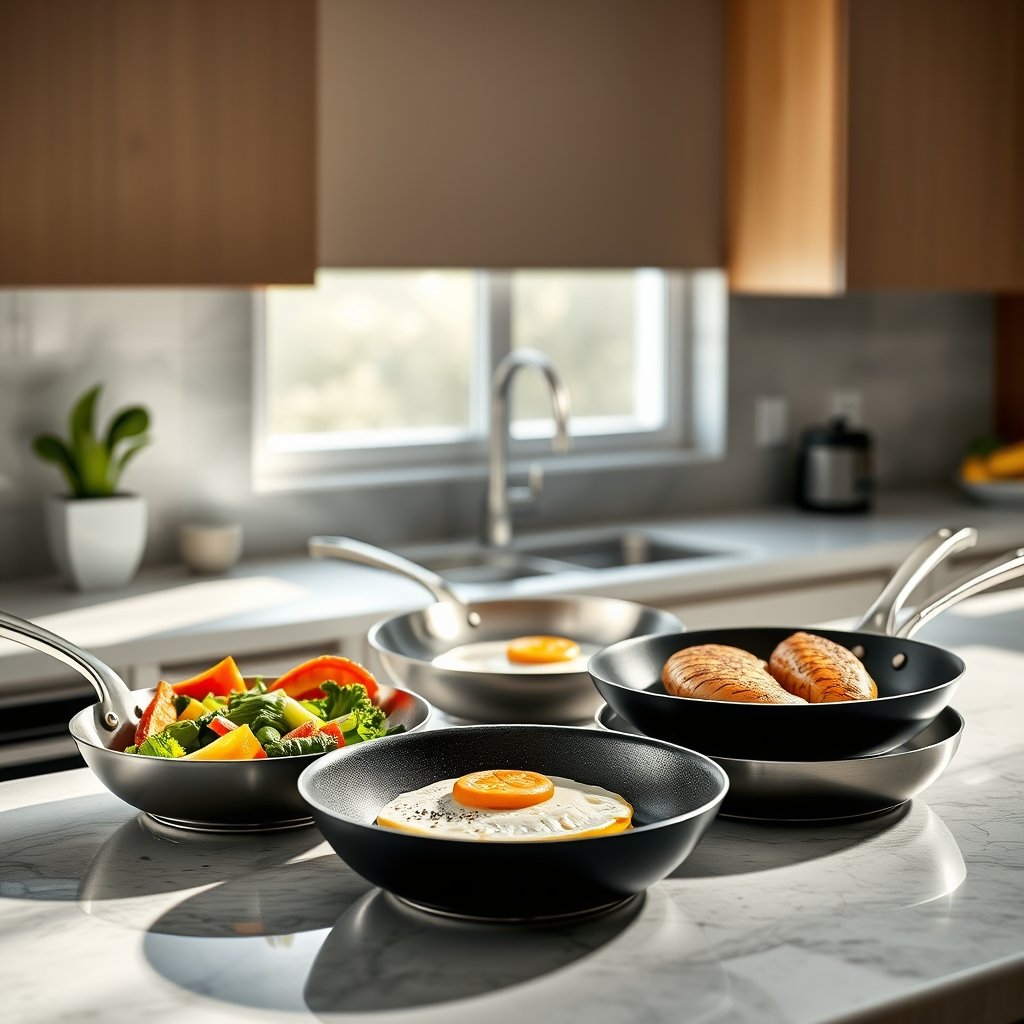
Most PFAS free cookware brands offer a similar mix of features: aluminum or stainless steel cores for heat distribution, proprietary ceramic coatings for nonstick action, and handles made from stainless, beech wood, or even all-ceramic on models like Xtrema. Expect oven safety up to 450–650°F, but always double check max temps, especially for pans with wood accents or synthetic handles.
When sautéing onions or simmering a bolognese, ceramic-coated pans from Caraway or GreenPan are a joy. I regularly use a 10.5″ Caraway fry pan for weekday stir-fries and the finish lets me wipe up with nothing but a soapy sponge—at least for the first few months. For larger families, a 6qt Dutch oven or stockpot is spacious enough for soup night or meal prep Sundays.
But these benefits hinge on a gentle touch. Always preheat on low or medium, never empty or smoking. Use soft spatulas (silicone or wood). Avoid acidic sauces for long periods; tomato stains happen fast and, as I learned, are hard to scrub out. Hand-wash only, even if the box says “dishwasher safe.” This extra care is non-negotiable if you want your forever chemical free cookware to last more than a year.
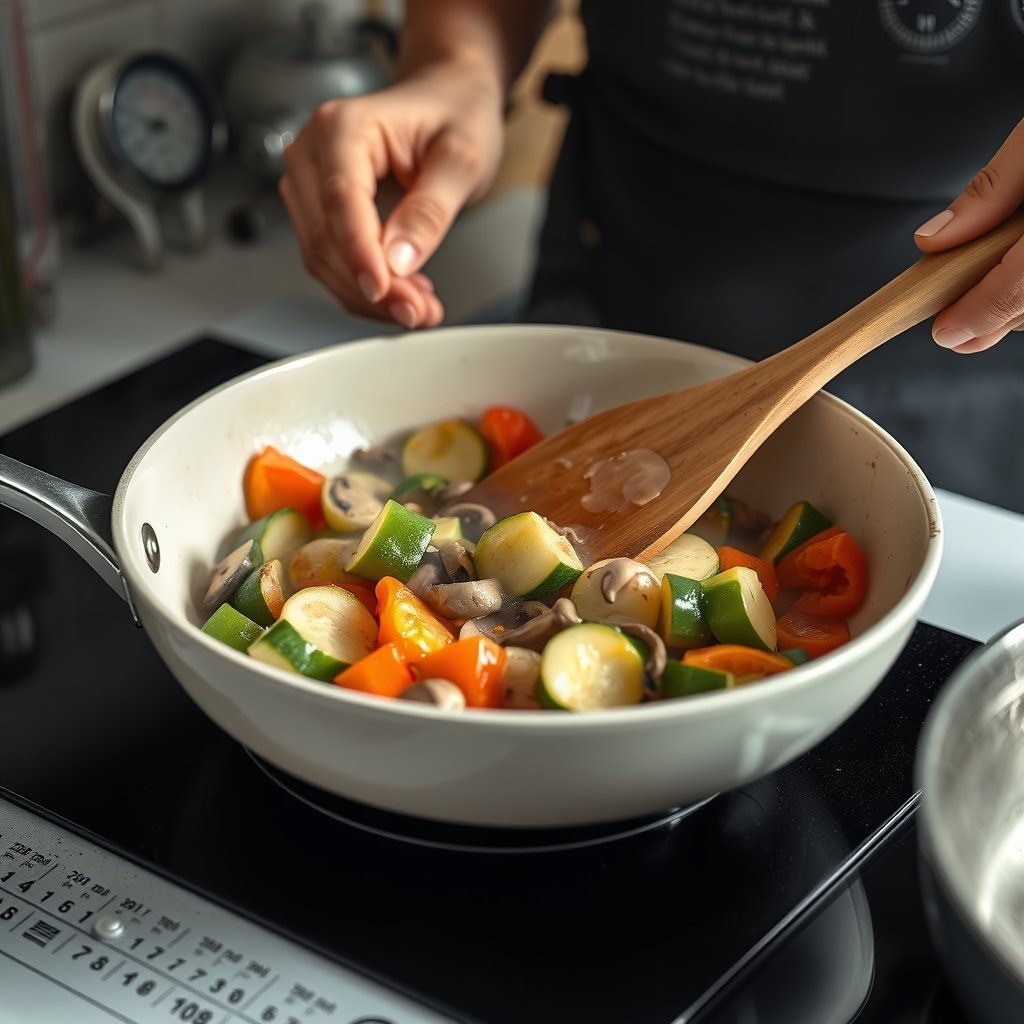
For induction users, look for pans with a stainless base or induction compatibility logos. Not all ceramic cookware works with modern induction cooktops.
Baking is a strong suit: pure ceramic pans like Xtrema can go from oven to table, handling up to 650°F without off-gassing. If you own a steam oven (see our steam oven buyer’s guide), these pans shine for gentle reheating and one-pot bakes.
Pros, Cons, and Common Issues
| Brand/Line | Materials | Cooking Surface | Weight (10-12″ Fryer) | Oven Limit | Warranty |
|---|---|---|---|---|---|
| Caraway Ceramic-Coated | Aluminum core, ceramic coating | Ceramic nonstick | 2.8 lbs | 550°F | Limited lifetime |
| GreenPan Valencia Pro | Hard-anodized aluminum, Thermolon ceramic | Ceramic nonstick | 2.5 lbs | 600°F | 2 years (lifetime if registered) |
| Xtrema Signature | 100% ceramic | Glazed ceramic | 4.5 lbs | 650°F (stovetop) | 10 years |
| Our Place Always Pan 2.0 | Aluminum core, keragen | Ceramic nonstick | 3.2 lbs | 450°F | 1 year (extendable) |
| HexClad Hybrid | Tri-ply stainless/aluminum/ceramic | Laser-etched stainless/ceramic peaks | 3.0 lbs | 500°F (no broil) | Lifetime |
Pros
- No “forever chemicals”: Certified PFAS and PTFE free cookware (Caraway, GreenPan, Xtrema) is tested by independent labs and NGOs.
- Gentle release for: veggies, pancakes, low-heat eggs, light sautéing, or stews. I love these for simmering tomato sauce (quickly, 15-20 minutes only) or reheating leftovers without weird off-flavors.
- Modern designs: Vibrant color options, lighter weight (2.5–3 lbs per pan, except pure ceramic), and stylish looks for small apartments or open-concept kitchens.
- Oven safe for most recipes. Some pure ceramic pans (like Xtrema) handle baking up to 650°F—great for casseroles and artisan bread in the oven.
Cons & Common Issues
- Loss of nonstick: After three to six months, PFAS free pans start sticking—particularly for fried eggs and flaky fish. Over 60% of Amazon 1-star reviews complain about this. Even gentle use only delays wear.
- Warping: Thin bases (especially on induction) can bow, ruining contact with flat cooktop surfaces. If you toss frozen veggies into a hot pan or preheat empty, watch for this.
- chipping or flaking: Ceramic coatings can chip if you stack pans roughly or scrape with hard spatulas—risking contamination.
- Handle loosening or melting: Wood and plastic handles fail at 400°F+ (Our Place, some Caraway), so check oven limits before trying roast chicken or no-knead bread.
- Staining/discoloration: Acidic foods (like tomato), curry, and soy sauce will leave stubborn marks. Soaking can help but long-term they never fully fade.
- Heavy weight: Xtrema and enameled cast iron “safest” options can be 4–5 lbs per pan. Daily use is rough if you have wrist or back pain.
- Shorter product lifespan: Most ceramic nonsticks last two to three years max, with a common 45% replacement rate by month 12, compared to over a decade with quality stainless steel (Consumer Reports lifecycle study 2026).
How Do PFAS-Free Pans Compare to PTFE and Stainless Steel?
| Type | Price (Set) | Projected Lifespan | Maintenance |
|---|---|---|---|
| PFAS-Free Ceramic | $300-500 | 2-5 years | Hand-wash only, no dishwasher/metal utensils, re-season monthly |
| Standard Nonstick (PTFE) | $100-200 | 1-3 years | Dishwasher-safe, avoid high heat, moderate effort |
| Stainless Steel | $300-700 | 15-25+ years | Dishwasher-safe, easy scrubbing, low effort |
For deep-dive comparisons, check out our induction-ready cookware guide and dual basket air fryer reviews (for a chemical-free, countertop alternative).
Conclusion
So, should you invest in PFAS free cookware? If you care more about chemical safety, want to avoid “forever chemicals,” and are willing to hand-wash and gently handle your non toxic pots and pans, these sets are an excellent choice—especially for light cooking, gentle reheating, or sauces. You will love the easy cleanup at first, the vibrant colors, and the peace of mind cooking for kids or immune-sensitive family members.
Skip if you routinely sear steaks, use induction at high heat, or prefer pans that last decades with rough-and-tumble use. For that, traditional stainless steel (see our modern cookware reviews) wins on long-term value.
The bottom line: PFAS free cookware is the safest, chemical-free option for everyday cooks, but be ready for more maintenance and a higher replacement rate. Want the best of both? Pair a good ceramic nonstick for eggs/veggies with stainless steel for searing, and check the latest price on Amazon before buying.
Still unsure which material suits your kitchen? Read our full cookware comparison guide here for a deep dive into every option.
FAQ
What does “PFAS free cookware” actually mean?
It means the pots and pans are made without any per- and polyfluoroalkyl substances (PFAS), including PTFE and PFOA. These “forever chemicals” are known for nonstick properties in classic Teflon pans but raise health and environmental concerns. PFAS free pans use alternatives like ceramic coatings or pure glazed ceramic.
Are non toxic pots and pans really as nonstick as traditional PTFE pans?
Ceramic-coated non toxic pots and pans are very nonstick when new, but often lose slickness faster than PTFE. Many users report start sticking with eggs and pancakes after three to six months of regular use. For perfect eggs or fish, you may need to add a little oil and cook on lower heat than you would with classic Teflon.
How can I tell if my cookware is truly PFAS free?
Check for third-party certifications on the brand’s website (like GreenScreen, Eurofins, or NSF International). Some brands make full lab test PDFs available, while others require a request. Always avoid ambiguous “PFAS-free” claims without documentation. For more details, see independent guides at EWG.org.
Which PFAS free pans last the longest and are worth higher prices?
Among the safer, forever chemical free cookware lines, Xtrema (pure ceramic) and HexClad (hybrid stainless/ceramic) have the strongest reputations for oven safety and lifespan (4–7 years with extra care), though they are heavier and pricier. Ultimately, even the best brands rarely last as long as a good stainless steel pan. Consider your budget, cooking style, and maintenance needs.
Is PFAS free cookware induction compatible?
Most ceramic-coated aluminum pans are not induction-compatible, unless they specify a stainless steel plate in the base. HexClad hybrids do work with induction and feature visible induction cookware symbols. For more, see our induction cookware guide.

[…] Chemical Safety: Carbon steel and cast iron are naturally PFAS-free, unlike most nonstick pans. For more info on chemical-free options, see our guide to PFAS free cookware. […]
[…] pans, ceramic doesn’t contain PFAS or PFOA—making it especially popular since recent PFAS bans began rolling […]