

Looking for the best scullery kitchen designs and ideas in 2026? Walk-in scullery layouts, hidden prep kitchens, and modern back kitchen designs are reshaping how we cook and entertain. This complete guide covers the top scullery designs, butler pantry ideas, and smart layout solutions for any home.
If you have ever watched dirty pots pile up after a family dinner, you know the chaos—and that is why a scullery kitchen design is on every modern cook’s wishlist. Whether you entertain every weekend, keep a minimalist main kitchen, or just need a better home for your stand mixer, a well-planned scullery or back kitchen can change how you cook and clean—if you get the layout and appliance plan right.
As an Amazon Associate, I earn from qualifying purchases.
Key Takeaways
- Plan your scullery kitchen design with at least 5 feet of counter space and wide walkways to avoid crowding or blocked access points.
- Back kitchens or butler pantries hide mess and store appliances but can cause user fatigue if sinks or dishwashers are placed too far from main prep zones.
- Modern scullery kitchen layout ideas for 2026 favor open shelving, appliance garages, and connecting the scullery to both kitchen and dining for smooth workflow.
- User complaints focus on small, cramped sculleries or poor appliance placement—design for daily use, not just party cleanup.
- What It Is and Why It Matters
- Key Features and How to Use It
- Pros, Cons, and Common Issues
- Conclusion
- FAQ
What It Is and Why It Matters
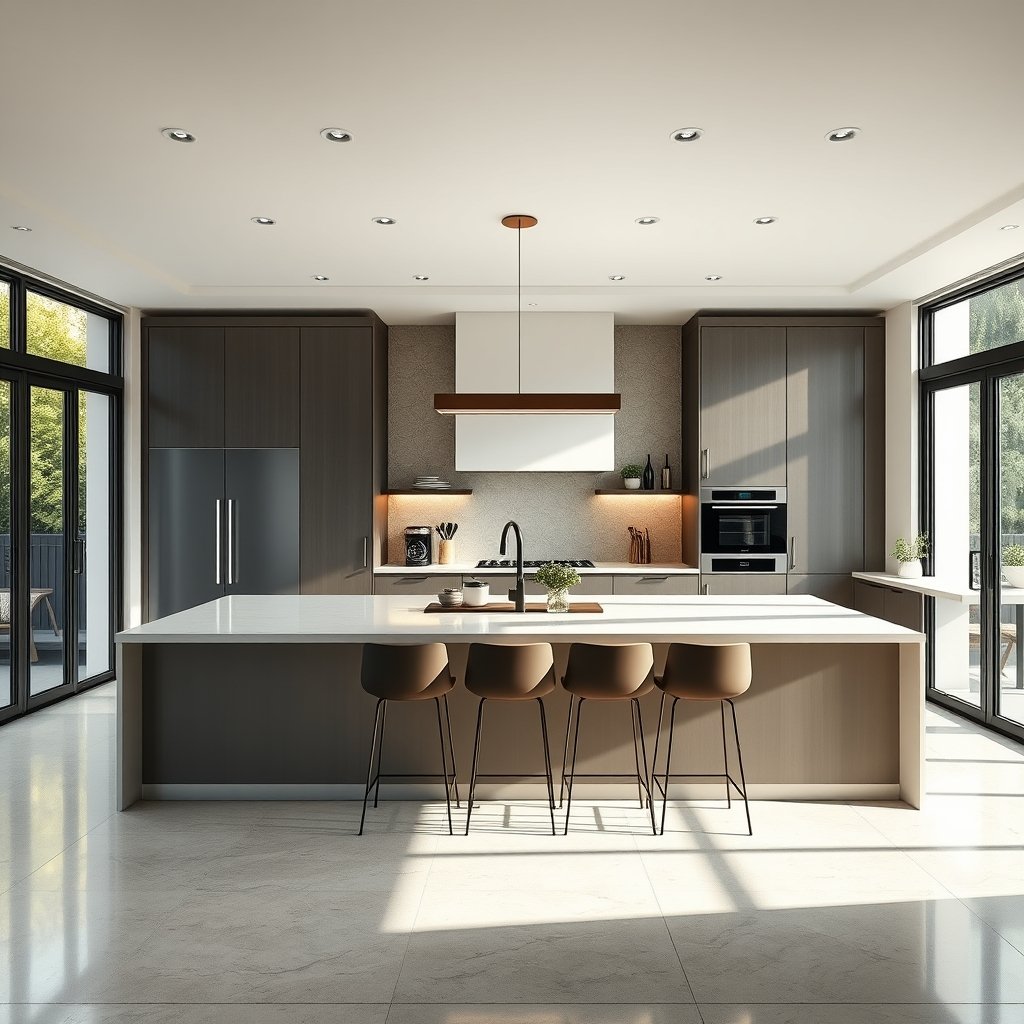
The scullery kitchen design is basically a mini-kitchen tucked behind (or next to) your main kitchen, often disguised as a back kitchen or butler pantry. Think of it as the secret weapon of modern homes: you can stash the mess, keep small appliances off main counters, and do the dirty work out of sight when guest are over.
What goes in a scullery? At minimum, expect a deep sink, a dishwasher, countertop space for prep, and storage for everyday appliances like toasters, blenders, or stand mixers. Some include a microwave, extra oven, or even a small cooktop. Real-world installs range from compact 25-30 square foot butler pantries to sprawling 80+ square foot scullery rooms with their own work triangle.
Price-wise, sculleries are an investment. The extra plumbing, electrical, and high-end finishes (marble or timber shelving is trending in 2026) can push costs well above a standard butler’s pantry. Still, the payoff is a main kitchen that always stays visually tidy—plus you gain dedicated zones for appliances and overflow food storage (source).
Who benefits most? Large families, home cooks who batch prep or bake, and anyone who entertains. Even in smaller apartments, a cleverly designed back kitchen butler pantry creates a spot for that coveted built-in coffee station or undercounter ice maker—if you are strategic about layout.
Key Features and How to Use It
The main draw of scullery kitchen design is its ability to reorganize your kitchen workflow. Here is what to consider for a real-life setup you’ll love to use every day:
Scullery Kitchen Layout Ideas 2026
Gone are the days of a windowless closet for dish stacking. The hottest scullery kitchen layout ideas 2026 include glass doors or wide openings to keep the space connected, big windows for light, and open or wood shelving for an airy, natural vibe (source). Minimum: plan for at least 5 feet of unbroken countertop (think large sheet tray or several mixing bowls) and 42-inch wide walkways for easy flow, especially if you share cleanup.
Hidden Prep Kitchen Behind Main Kitchen
This is the “mess zone” dream. Hide the coffee machine, blender, or dual-basket air fryer here, so your “show kitchen” stays spotless. Add an appliance garage (those roll-up or flip-up sections that swallow machines when not in use), plus deep drawers sized to fit sheet pans or bulky cast iron.
Want a seamless look? Modern designs use flush, full-height cabinets or even concealed doors—the goal is to make the space disappear when needed, but ultra-functional once you are inside.
Back Kitchen for Mess and Appliances
A proper back kitchen lets you unload groceries right by the fridge, stash prep mess, and even hand-wash delicate glassware without crowding your main sink. Integrate a second dishwasher if you host big dinners—just make sure doors won’t block walkways; user complaints fry designs that create “choke points” (source).
Butler Pantry with Second Sink and Appliances
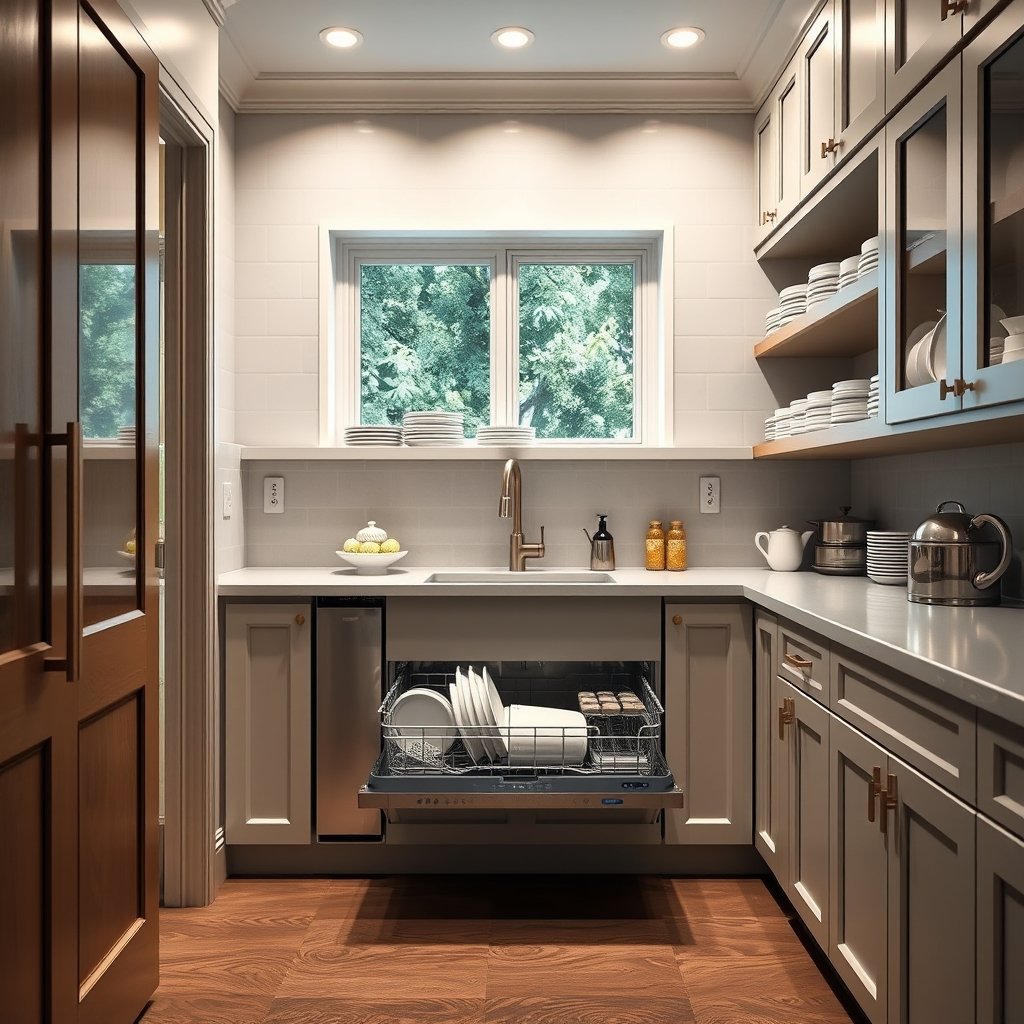
Upgrade a classic butler’s pantry by adding plumbing and power for a second sink, built-in coffee machine, and counter-depth fridge. This is the perfect “bridge” between main kitchen and dining room. If you love making fancy drinks or need extra ice, consider tucking in an undercounter ice maker.
Wondering about warranty and durability? While there’s no standard coverage for scullery fittings, choose mid-to-top tier appliances with 2+ year warranties. This is especially true for water filtration at your secondary sink and any built-in gadgets you expect to last.
Pros, Cons, and Common Issues
| Pros | Cons & Common Issues |
|---|---|
|
|
Real-world feedback from Houzz forums: Folks often regret a cramped scullery, especially if a refrigerator or full-size dishwasher blocks their route when open (source). Cleaning in a hidden prep kitchen behind the main kitchen can be lonely, making it easy to “abandon” dirty pots out front—negating the investment! For optimal workflow, connect your scullery to both kitchen and dining, and avoid tiny, isolated rooms.
Conclusion
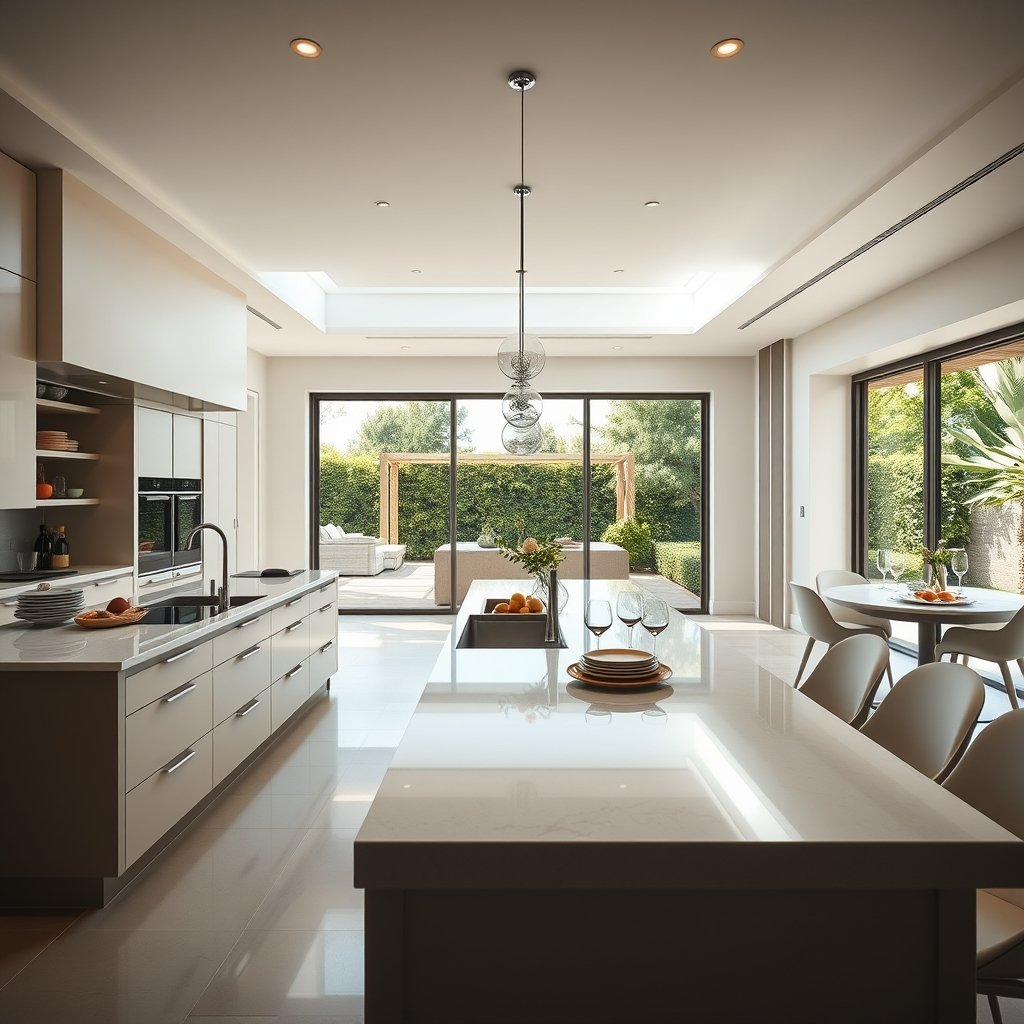
For anyone who loves a clear countertop, frequent large-batch cooks, or just hates the sight of dirty pans, you cannot beat a well-laid-out scullery kitchen design. The back kitchen butler pantry or scullery room in a modern home is a boon for families and entertainers but needs space, strategic access, and thoughtful appliance zones to really shine.
Tiny homes or those who cook solo may find more value in a streamlined workstation sink or a multi-use appliance. But if mess, storage, and workflow are your nemesis, a scullery is your secret weapon.
Want to compare narrow-space options or get more ideas? Check our review of the HiSense 24-inch smart fridge and the latest invisible induction cooktop trends. Or see which cookware really fits hidden prep kitchens.
Read our full back kitchen and scullery comparison guide here.
FAQ
What is a scullery kitchen design and how is it different from a standard butler pantry?
A scullery kitchen design is a fully equipped mini-kitchen, typically hidden behind or beside the main kitchen, complete with its own sink, dishwasher, storage, and sometimes cooking appliances. A butler pantry is usually smaller and focuses on storage or staging, often lacking plumbing or built-in appliances (source).
Is a back kitchen butler pantry worth the higher cost?
For frequent entertainers, large households, or avid home cooks needing extra prep and cleanup space, a back kitchen butler pantry is absolutely worth the investment. Single cooks or apartment dwellers may find open shelving and smart appliances a better space fit (source).
What are the most common scullery kitchen layout mistakes to avoid in 2026?
Biggest mistakes include: placing full-sized fridges or dishwashers so they block walkways when open, designing a room too narrow for two people, or tucking the scullery too far away so nobody uses it for daily tasks. See popular scullery layout ideas for 2026 and pro trend roundups for inspiration.
How can I make my scullery room modern home ready without breaking the bank?
Focus on smart workflow, open shelving, and appliance garages to maximize storage. Consider adding a dedicated coffee station and a compact induction hob or steam oven for multi-tasking.
Do I need a butler pantry with second sink and appliances?
If you entertain often or cook with lots of equipment, a butler pantry with second sink and appliances is a lifesaver. For others, a deep workstation sink in the main kitchen may handle your needs just fine.