

Introduction
Invisible induction cooktop technology is transforming modern kitchens, offering sleek design by hiding cooking surfaces beneath your countertop. As this trend accelerates into 2026, homeowners and designers are rethinking traditional cooking layouts in favor of minimalist, seamless solutions. This guide breaks down the essentials, with actionable steps, realistic pros and cons, and what you need to know before you commit.
As an Amazon Associate, I earn from qualifying purchases.
Key Takeaways
- Invisible induction cooktops create a seamless kitchen aesthetic, with induction burners hidden under stone or composite countertops.
- Installation demands careful planning around stone thickness, compatible cookware, and electrical requirements.
- This guide highlights real-world pitfalls, advanced considerations, and latest market statistics for informed decisions.
- Introduction
- The Core Concept: What is an Invisible Induction Cooktop?
- Step-by-Step Guide: Installing and Using a Hidden Induction Stove Under Countertop
- Advanced Analysis & Common Pitfalls
- Conclusion
- FAQ
The Core Concept: What is an Invisible Induction Cooktop?
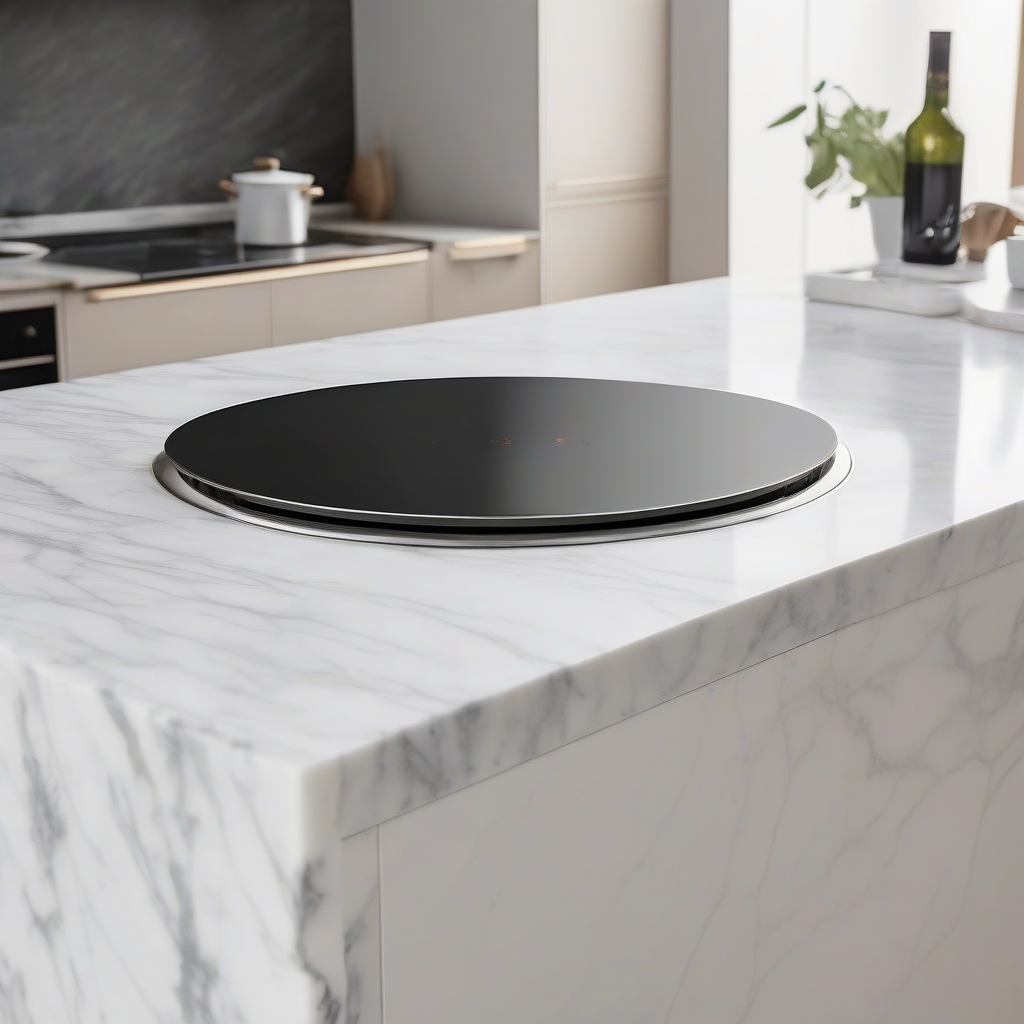
An invisible induction cooktop is a flat, under-counter induction cooking surface that effectively disappears from view, leaving your countertop looking uncluttered and unbroken. Instead of traditional burners or even a sleek flush mount induction cooktop, the hidden induction stove under countertop approach uses powerful induction coils installed beneath stone, porcelain, or composite surfaces—typically engineered stone or special quartz. This means the cooking zone activates only when compatible cookware is placed in the right spot, heating through the non-metallic countertop without visible hardware or knobs.
Invisible induction cooktops are the centerpiece of the “invisible kitchen appliances” design revolution, helping homeowners achieve a streamlined, luxury aesthetic. They’re especially popular in open concept and premium residential kitchens where visual minimalism is key. With brands like Signature Kitchen Suite (SKS) showcasing invisible induction stove prototypes at KBIS 2026, this flush-mount look is poised to become a mainstream choice.
Step-by-Step Guide: Installing and Using a Hidden Induction Stove Under Countertop
- Assess Your Countertop Material
Invisible induction cooktops only work with certain stone or composite countertop materials. Most brands recommend engineered quartz, porcelain, or select composites. Avoid solid granite, natural marble, or any material with rebar or metal mesh—these materials may interfere with induction fields. - Verify Countertop Thickness
Consult the manufacturer’s guidelines, but typically, the usable stone thickness for an under-counter induction hob is between 12mm and 25mm. Thicker surfaces may not allow enough induction power to pass through, or may create uneven heating. - Choose a Compatible Induction Module
Look for invisible kitchen appliances specifically designed for sub-counter installation. The SKS invisible induction stove 2026 and several European brands have models launching soon, engineered for hidden operation. - Plan Power & Ventilation
Like all induction cooktops, you’ll need a dedicated 220-240V electrical line. Plan for ventilation, as heat can build up beneath the surface during extended use. - Installation
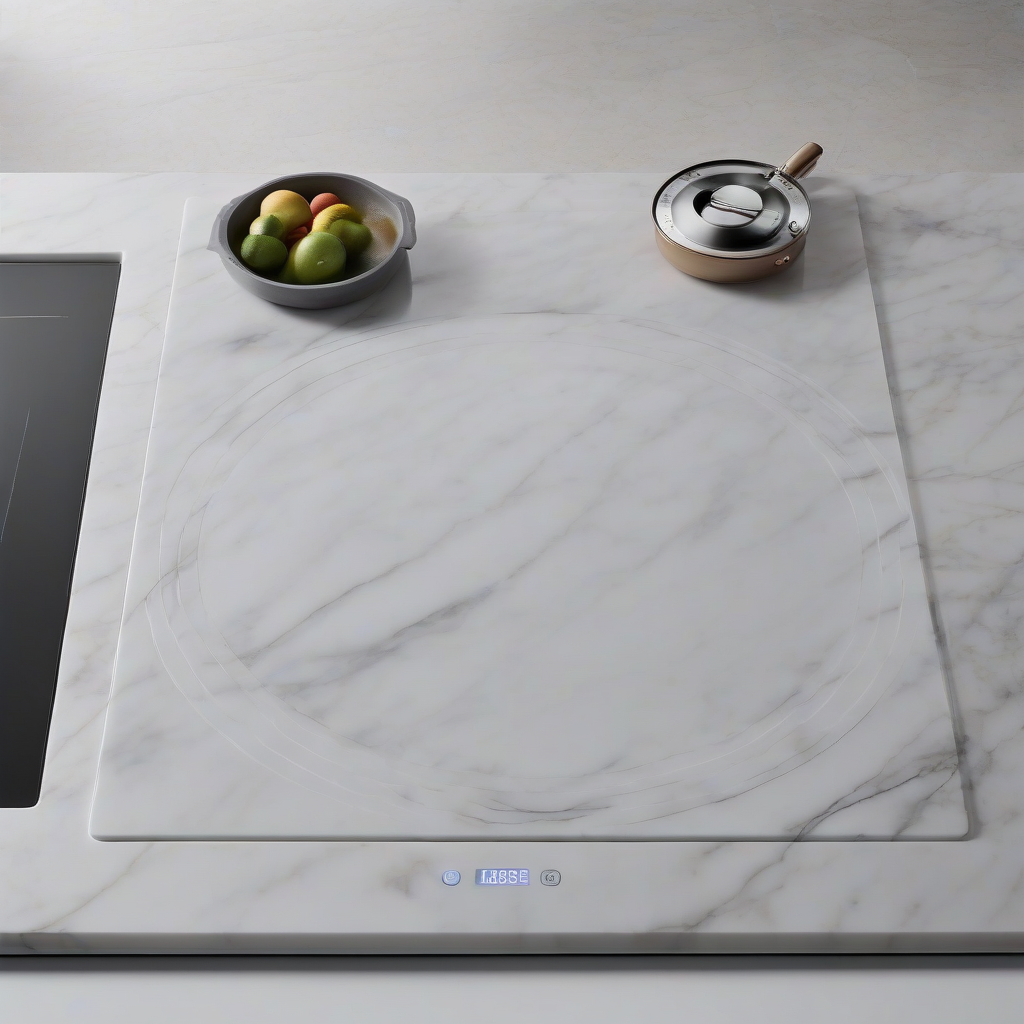
Professional installation is critical. The induction module is fixed beneath the stone using brackets, spacers, and adhesive. A cut-out template may be provided to mark the “hot zone” on the counter. - Marking the Cooking Zone
Since your surface is visually seamless, you’ll need subtle markers to indicate where to place your cookware. UV decals, laser etching, or discrete dots are common, ensuring you don’t place hot pots where there are no induction coils. - Cookware Check
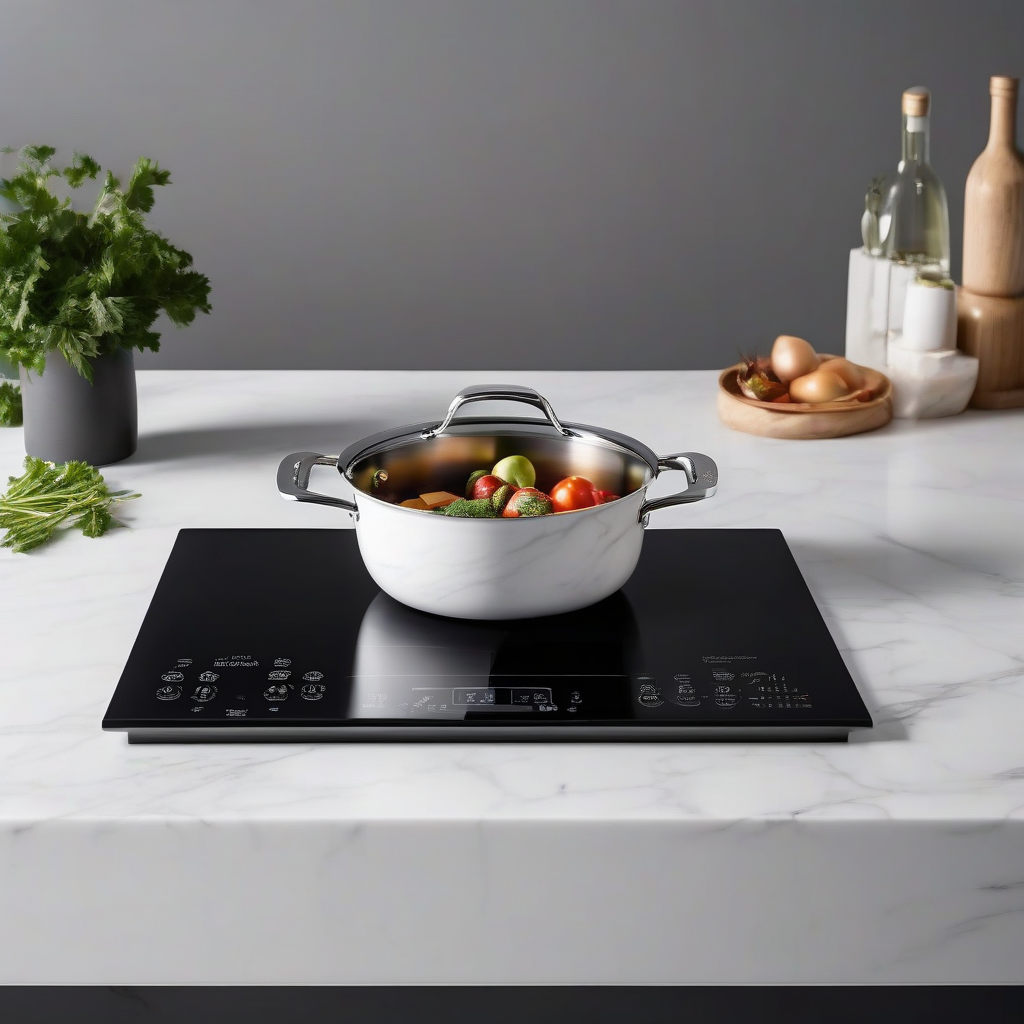
Only use Cookware Check pots and pans with magnetic, flat bases—see our best cookware for induction hob 2026 guide. - Test Heat Responsiveness
Test for responsiveness and even heating before hosting a big dinner.
For those wanting to integrate with smart home systems, opt for invisible kitchen appliances certified for Wi-Fi or app-based control to unlock remote settings, timers, and safety functions.
Advanced Analysis & Common Pitfalls
Market Growth and Adoption Trends
The invisible induction cooktop market is growing steadily, projected to reach $2.3 billion by 2033 with a CAGR of 7-15 percent, driven by demand for sleek design, energy efficiency, and smart kitchen integration (Source).
Pitfalls of Hidden Induction Stoves Under Countertops
- Material Compatibility: Not all stone or countertop materials will work. Induction energy can’t effectively pass through certain natural stones, thick slabs, or materials with metallic mesh.
- Installation Complexity: This is not a DIY project. Misalignment will cause heat loss or uneven cooking.
- Zone Visibility: Without visible cues, it’s easy to misplace pans, leading to no heat or cookware that only partially heats up.
- Cookware Limitations: Only use pots and pans with magnetic, flat bases. Not all designer or legacy cookware will be compatible. See our induction cookware symbols explained guide.
- Repair Challenges: Any future repairs require removing the countertop—higher labor costs linked with under-counter induction cooking surfaces.
- Performance Under Thick Stone: Heating may be less responsive and slightly less efficient if the stone is near the maximum thickness threshold.
- Lack of User Reviews: Because these are so new, there’s minimal long-term performance data or user feedback on homeowner forums. Some buyers express concern over unseen wear, sensor longevity, and uncertainty about after-sales support.
Comparison Table: Invisible vs. Standard Induction Cooktop
| Feature | Invisible Induction Cooktop | Standard Surface Induction Cooktop |
|---|---|---|
| Aesthetic | Seamless, hidden under countertop | Visible glass/ceramic surface |
| Installation | Complex, requires professional stone and electrical work | Simpler, often DIY or standard appliance contractor |
| Material Limits | Only compatible with certain non-metallic, thinner countertops | N/A (sits on top) |
| Performance Issues | May be slower/uneven on thicker countertops | Direct, efficient heating |
| Maintenance | Difficult, involves countertop removal for access | Easy, surface access |
| Cost | Higher purchase, installation, and potential repair costs (Source) | Generally lower overall |
For other emerging options, see our guides on the dual basket air fryer and the workstation kitchen sink for space-saving, multi-functional culinary setups.
Conclusion
The invisible induction cooktop is redefining kitchen luxury by erasing visible cooking zones for a singular surface look. While installation of an induction hob hidden under a stone countertop brings unique planning and cost considerations, the results are impressive: a streamlined space, easier cleanups, and future-ready integration with smart home systems. If you’re ready for a minimalist kitchen upgrade, consult both your stone fabricator and appliance specialist to ensure proper fit and maximum performance from your invisible induction system.
Ready to bring next-level style and function to your kitchen? Explore more on invisible kitchen appliances at our comprehensive buying guide and step confidently into the future of culinary design.
FAQ
Can I use any countertop for an invisible induction cooktop?
No. Your countertop must be a compatible, low-metal content material such as engineered quartz, porcelain, or a recommended composite. Thickness should usually be 12-25mm for optimal heat transfer. Avoid natural stones with metal reinforcement, granite, or thick slabs.
Do I need special cookware for an induction hob hidden under stone countertop?
Yes, only cookware with a flat, magnetic base will work. Check for the induction symbol on your pots and pans. Learn more in our induction ready cookware set guide.
Are invisible induction stoves more expensive than traditional models?
Generally, yes. The cost for both purchase and installation is higher due to the need for precise placement, countertop compatibility, and professional labor. See our analysis above, and expect a price premium for advanced models, like the SKS invisible induction stove 2026 in 2026.
Is maintenance or repair difficult for under-counter induction cooking surfaces?
Maintenance can be challenging because accessing the module often requires removing parts of your countertop. Choose brands with strong warranties and read all maintenance requirements in advance.
How do I mark the “hot zone” on my flush mount induction cooktop?
Manufacturers offer options like invisible decals, subtle laser etching, or even smart lighting to mark the heating area without spoiling your seamless design. Always use a marker to avoid accidental placement off the induction zone.